




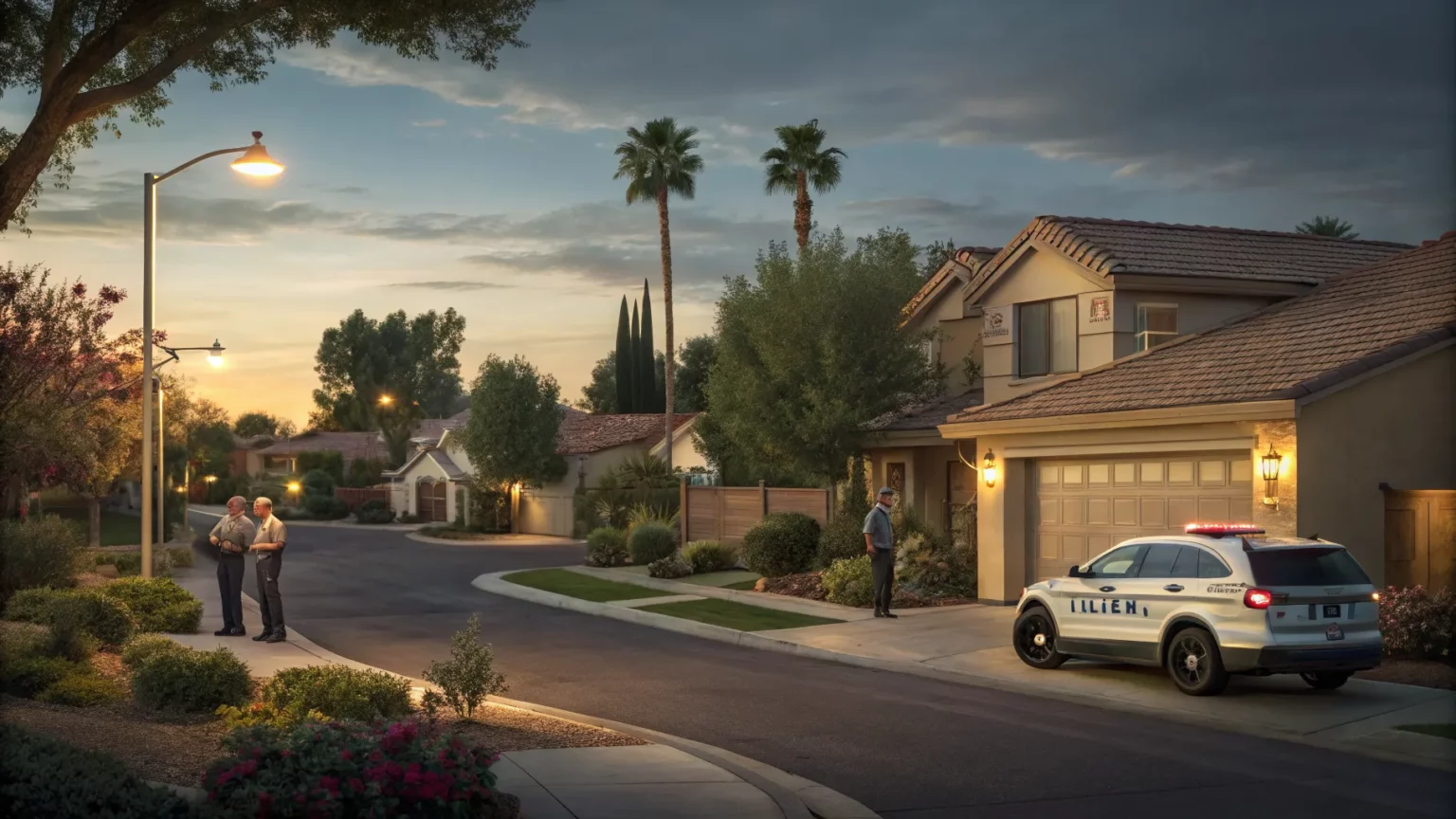
Authorities in Pima County are asking neighbors to share home-security video from the weeks before Nancy Guthrie was taken from her Arizona home, seeking clues that could reveal planning, scouting, or repeat visits by a suspect. Sheriff Chris Nanos said the wider time frame could help investigators map patterns and spot vehicles or people linked to the case.
Pima County Sheriff Chris Nanos shared why authorities have asked Nancy Guthrie’s neighbors for any footage from weeks before she was taken from her Arizona home.
The request comes as detectives try to reconstruct movements leading up to the abduction. Officials hope doorbell cameras and exterior systems captured small details that might be missed on the day of the crime alone. The approach is common in complex investigations where early activity may signal planning.
Why Investigators Are Looking Back Weeks
Detectives often find that suspects return to a neighborhood, test routines, or check lighting and access points. A car seen circling on several evenings can point to intent. So can a person walking a dog but lingering near driveways. By pulling video from a wider window, investigators can confirm whether the same face, outfit, or license plate appears more than once.
Investigators can also compare weather and traffic across days. If a vehicle shows up on quiet nights at the same time, that pattern can be important. A narrow 24-hour review might miss that signal.
What Footage Can Help Most
Officials are asking for clips that show streets, sidewalks, and alleys. They are also interested in deliveries and service visits. Details like bumper stickers, roof racks, or damaged panels can matter.
- Doorbell video showing the street or driveway, even if no one rang.
- Motion-triggered clips overnight and early morning.
- Footage of delivery trucks, rideshares, or unfamiliar vehicles.
- Any saved clips of door knocking, flyers, or “lost pet” inquiries.
Neighbors with cloud-based systems may still have older clips. Those with local storage should avoid overwriting drives and consider backing up files.
Balancing Urgency and Privacy
The call for weeks of video has raised questions about privacy. Law enforcement says the focus is narrow: the time leading up to the abduction and areas near Guthrie’s residence. Officials typically request footage rather than seize it, and they seek owner consent first. When needed, warrants can target specific places and dates.
Community cooperation can be high when a neighbor is missing or at risk. Investigators often ask residents to review their own clips first, submit only relevant segments, and limit sharing on social media to avoid rumors.



Lessons From Prior Cases
In many investigations nationwide, patterns in early footage have helped break cases. Repeated passes by a single car, a person changing clothes between visits, or a vehicle parking out of camera view can be signals. License plate fragments across different days can be stitched together. Lighting, construction detours, or trash pickup schedules can explain timing choices that a suspect might make.
Digital timelines that blend home cameras with business systems and traffic cameras can reveal a route. Even partial views from different homes can fill gaps. Small details, like a unique wheel cover, often prove decisive.
What Comes Next
Detectives will sort submissions, tag clips by time and location, and then compare findings with tips. Data teams can speed this work by mapping sightings and cross-checking with public and private cameras nearby. The work is slow but can produce a clear picture of activity on key dates and in the weeks before.
As neighbors review their archives, officials urge them to preserve files and note the exact dates and times. That information helps align footage across different devices. The next steps may include targeted canvassing, follow-up interviews, and, if leads develop, more focused requests to residents on specific blocks.
The broader ask signals a simple message: answers may lie in the days before a crime, not just the day it happened. Investigators say even a few seconds of video could help find Nancy Guthrie and explain what led to her abduction.