



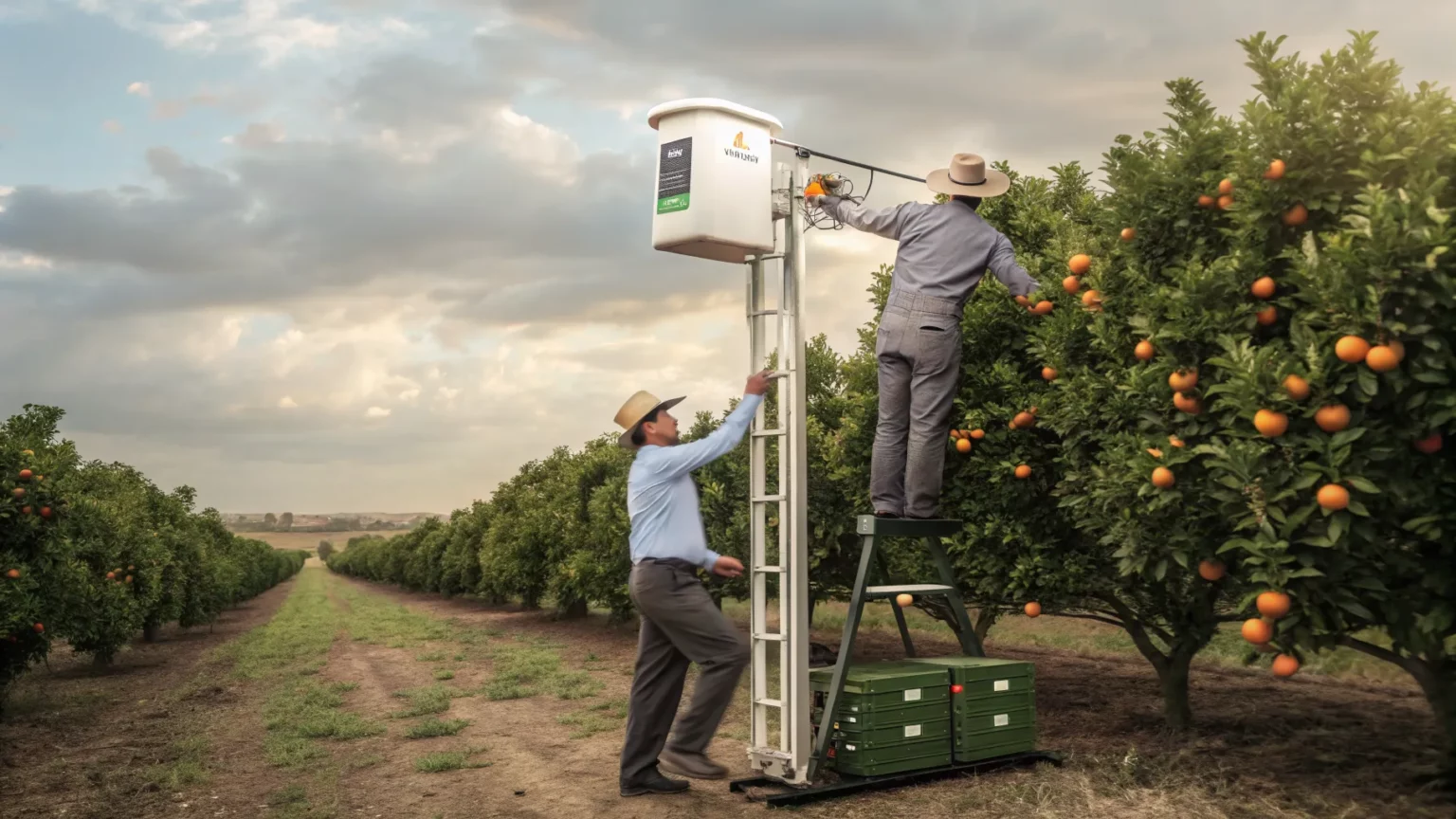
A new tool designed by engineer Juan Espinoza is drawing attention in citrus country for a simple promise: reduce the strain on the people who pick, haul, and sort fruit each day. The device, introduced on working groves, targets one of agriculture’s toughest jobs by easing physical demands that lead to pain and injuries. Growers and worker advocates are watching to see if it can make the harvest safer and more efficient as the season ramps up.
Field work in citrus relies on speed, strength, and long hours. Ladders, sacks, and crates place heavy loads on shoulders, backs, and knees. Heat and repetitive motion add risks. Espinoza’s device enters an industry balancing tight margins, labor shortages, and rising safety expectations. If it works, it could change the daily routine for thousands of workers while helping growers keep fruit moving from grove to market.
What Problem the Device Tries to Solve
Picking citrus is still largely manual. Workers climb trees, reach overhead, and carry fruit across uneven ground. These steps repeat hundreds of times per shift. Ergonomics experts say this combination can lead to strains and overuse injuries. Farms also face work slowdowns when crews tire or temperatures rise.
Espinoza set out to cut the physical load during the heaviest tasks. He framed the mission in clear terms.
“I engineered a device to help ease physical demands on workers at citrus farms,” said Juan Espinoza.
While full technical details were not released, the concept centers on reducing force and improving body mechanics during picking and carrying. It is designed to fit into existing workflows so crews do not need to relearn the job from scratch.
Early Reactions From the Field
Growers see potential if the tool can speed up picking while lowering injuries. Supervisors often look for small changes that cut fatigue by the end of the day. A device that lightens repetitive lifts or limits ladder time could meet both goals.
Worker advocates emphasize comfort and trust. Any new gear must be easy to adjust, not add heat, and allow free movement in tight canopies. They also point out that crews earn on pace, so any tool must support speed as well as safety.
Espinoza’s design appears to focus on usability. Field trials are expected to test fit, durability, and whether crews accept the tool after the first week, not just the first hour.



Safety, Productivity, and Cost
Farm operators often weigh three questions before adopting new equipment:
- Does it reduce injuries and fatigue in real conditions?
- Does it maintain or raise picking speed?
- Is the cost reasonable for small and mid-size growers?
Devices that check all three boxes tend to spread. Those that add steps, require constant maintenance, or break under dust and heat usually stall. The citrus harvest can be unforgiving on gear. Simple design and easy repair are often the difference between a showpiece and a staple on every crew truck.
Lessons From Past Efforts
Agriculture has tested many solutions to reduce strain. These include supportive wearables, lighter containers, and mobile platforms to cut ladder time. Some ideas improved comfort but slowed output. Others boosted speed but raised safety concerns.
What works best are tools that remove force at the exact moment it matters most, like when a picker lifts a full sack, or twists to place fruit. If Espinoza’s device targets those moments, it could deliver gains in both safety and pace.
What to Watch Next
The next steps are clear. Crews will need hands-on trials across different grove layouts and tree heights. Feedback on fit, weight, and heat management will guide changes. Maintenance plans must be set so foremen can fix problems quickly in the field.
Training will also matter. Short, simple instruction at the morning tailgate can help crews use the tool correctly from day one. Clear guidance can prevent misuse that cancels the benefits.
If early data shows fewer strains and steady or faster picking rates, interest will grow. Growers might start with a few units per crew and expand over time. If the results are mixed, the design may see another round of revisions before wider rollout.
Espinoza’s effort lands at a moment when every crate counts and every injury hurts. A device that eases the hardest parts of citrus work, without slowing the line, could become standard gear. The coming harvests will show whether this new tool meets the field’s daily test: make the job safer, keep the fruit moving, and last long enough to matter.