



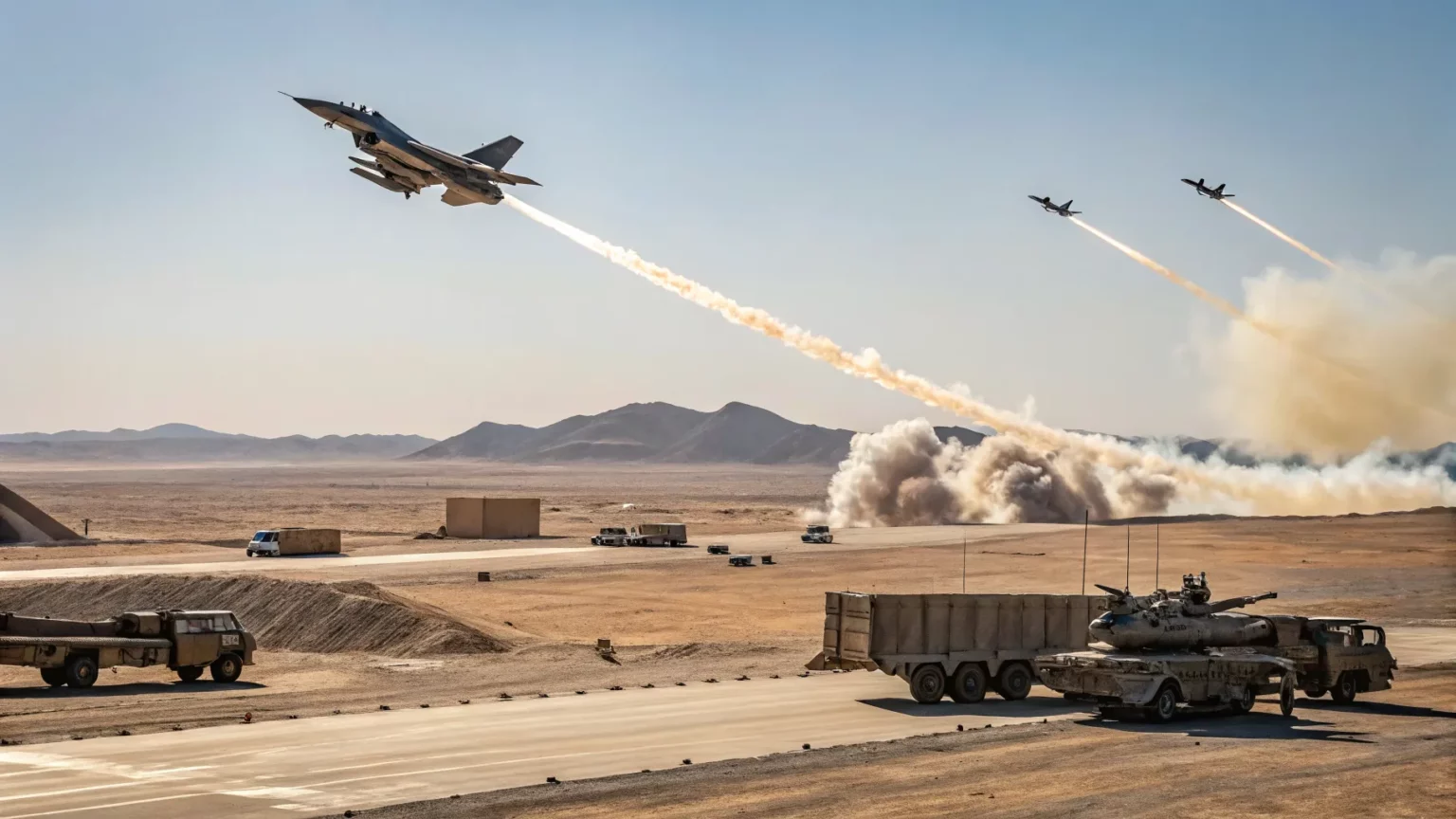
Israel launched strikes inside Iran early Friday, jolting a region already on edge and setting up a tense U.N. Security Council meeting later in the day. The action came as Iran and the United States appeared stuck in a diplomatic standoff, raising fears of a broader conflict as the first month of war in the Middle East neared its end.
Israeli officials said the operation targeted weapons production facilities, with blasts reported “in the heart of Tehran.” There was no immediate confirmation of damage or casualties. Smoke rose over Beirut, though Israel did not confirm strikes on the Lebanese capital. Air raid sirens sounded across parts of Israel as the military reported intercepting incoming Iranian missiles.
How We Got Here
The bout of violence follows weeks of exchanges involving Iran, Israel, and armed groups aligned with Tehran. Israeli leaders have vowed to curb Iran’s military capacity and halt the flow of weapons to regional proxies. Tehran, for its part, has pressed for international condemnation of attacks on its civilian infrastructure and warned of responses if strikes continue.
Friday’s events unfolded ahead of an urgent U.N. Security Council session called to address attacks inside Iran. The meeting is expected to feature sharp disagreements among major powers and regional rivals. While calls for restraint have grown, practical steps remain elusive.
Israeli officials said they were “intensifying” operations against Iranian weapons production. One described the targets as being “in the heart of Tehran.”
Competing Claims and Limited Clarity
Details on the strike’s impact remained scarce. Iranian authorities did not immediately disclose what, if anything, was hit. Independent verification was not available early Friday, and statements from both sides were still emerging.
In Israel, the military said it was engaging incoming missiles and urged civilians to follow safety guidance. In Lebanon, plumes over Beirut stirred panic in neighborhoods already strained by recent unrest. The lack of confirmed damage has not eased anxiety.
Diplomacy at a Standstill
Washington and Tehran appeared stuck. U.S. officials called for de-escalation and backed Israel’s right to defend itself while signaling concern about a spiral. Iranian officials pressed the U.N. to condemn what they call attacks on civilian targets and warned that pressure must yield action, not just statements.
The diplomatic freeze heightens the chance of miscalculation. Without clear channels, a single strike or misread signal could pull more players into direct confrontation.


What This Means for the Region
Analysts say there are three immediate risks:
- More strikes across borders, drawing in Lebanese and Syrian fronts.
- Attacks on infrastructure that disrupt energy markets and shipping.
- Reduced space for diplomacy as hard-liners gain clout.
Israel’s focus on weapons facilities suggests a campaign meant to limit Iran’s ability to arm proxies. Iran’s likely counter is asymmetric pressure through allied groups, cyber operations, and longer-range missiles. Either path leaves civilians exposed.
Inside the Security Council Debate
The U.N. session will test whether major powers can agree on even basic steps, like calls for restraint and access for investigators. Russia and China have criticized Israeli actions in past meetings, while the United States has often shielded Israel from censure. European members tend to push for humanitarian protections and new talks.
A resolution is unlikely to pass without changes that satisfy competing camps. Even a statement would signal that pressure is building, though enforcement is another matter.
Signals to Watch
Several markers will show where this crisis heads next:
- Evidence of damage inside Tehran and any civilian toll.
- Missile or drone launches by Iranian-aligned groups in Lebanon, Syria, Iraq, or Yemen.
- Shifts in U.S. military posture across the region.
- Any backchannel talks, even limited, between Washington and Tehran.
Markets will also react to disruptions in shipping lanes or energy infrastructure. Spikes in insurance costs and rerouting of cargo would suggest rising risk premiums.
For now, the strike-and-response pattern holds. Israel signals it will keep hitting production nodes. Iran signals it will answer, directly or indirectly. The United Nations will try to nudge both away from the edge, but outcomes will be shaped by decisions in Jerusalem and Tehran more than speeches in New York.
The next 48 hours are critical. Clarity on the targets, the scale of Iran’s response, and the tone set at the Security Council will guide what comes next. If cooler heads gain ground, there is room to pause. If not, the region could slide into a wider war that few claim to want, yet many appear ready to risk.