


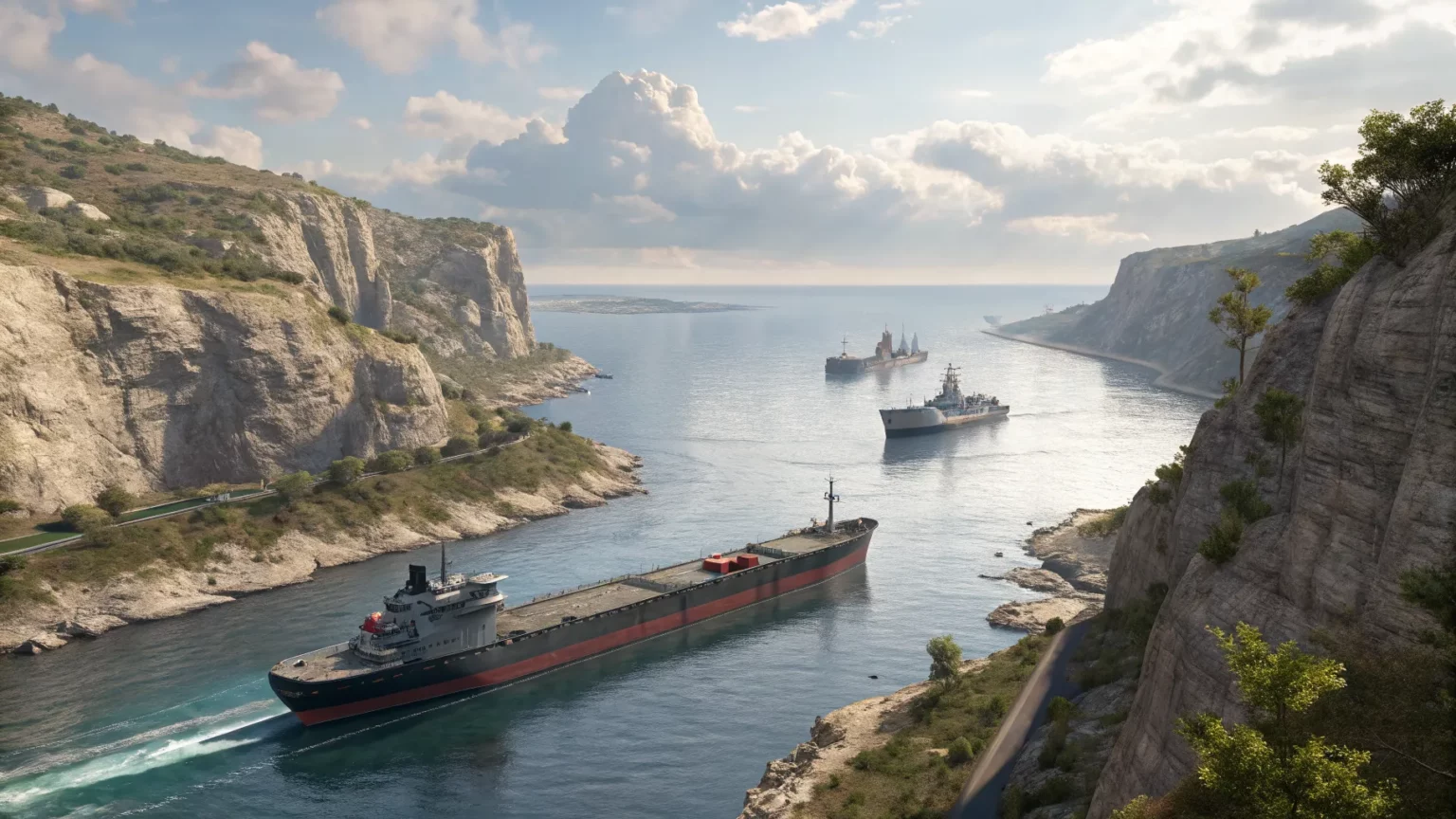
Iran reversed an earlier plan to reopen the Strait of Hormuz this week, warning it will keep the waterway closed as long as a U.S. blockade of Iranian ports stands. The move raised fears of wider fallout for global energy supplies and regional security around one of the world’s most critical trade routes.
Officials said traffic through the strait would remain halted while Washington maintains its measures. The standoff centers on a narrow channel at the mouth of the Persian Gulf that handles a large share of the world’s oil and liquefied natural gas. Maritime insurers, energy traders, and nearby states braced for disruption and possible price spikes.
A Reversal With Global Reach
“Iran reversed its decision to reopen the Strait of Hormuz and warned that it would continue to block transit through the strait as long as the U.S. blockade of Iranian ports remained in effect.”
Iranian officials linked the shutdown to U.S. pressure on its trade. They argued that normal transit can resume only if American measures ease. Washington has not described its actions as a blockade, stressing sanctions enforcement and maritime security. The competing claims set up a legal and diplomatic fight over navigation rights and economic coercion.
The Strait of Hormuz is only about 21 miles wide at its narrowest point. Yet it carries roughly one-fifth of global seaborne crude and condensate and a major share of Qatar’s liquefied natural gas exports. Any prolonged closure could limit supplies to Asia and Europe and strain inventories in key importing nations.
Energy Markets Brace For Shock
Traders watch the waterway as a barometer for oil prices. Even brief scares there have pushed prices higher in the past. During tensions in 2019, tanker attacks and seizures sent freight and insurance costs up and added a risk premium to crude. Analysts say a full halt to traffic would be far more severe, potentially lifting prices sharply and testing emergency stockpiles.
Refiners could face shipment delays and rerouting. Some might draw down stored crude while waiting for alternative cargoes. Liquefied natural gas buyers, especially in Asia, would likely compete for supplies from the Atlantic Basin, raising transport costs and delivery times.
- Key risk: reduced oil and LNG flows through Hormuz.
- Immediate impact: higher shipping, insurance, and charter rates.
- Broader effect: pressure on inflation and import bills for energy-poor countries.
Competing Narratives And Legal Stakes
Tehran frames its action as a response to U.S. pressure on its ports and economy. U.S. officials, in turn, maintain that sanctions target illicit trade and regional threats, not neutral commerce. Legal experts note that under international law, a declared blockade can be seen as an act of war, while closing an international strait challenges the right of transit passage. Those positions make compromise harder and raise the cost of missteps.
Regional navies have increased patrols during past flare-ups to protect shipping. Convoy escorts, mine countermeasure units, and surveillance aircraft are standard tools. But these measures do not resolve the core dispute. They only mitigate risk while talks continue.



History Warns Of Escalation Risks
The Gulf has faced similar episodes. In the late 1980s, the “tanker war” saw repeated attacks on merchant ships. In 2019, a spate of limpet mine incidents and vessel seizures strained maritime traffic and insurance markets. Each time, traffic resumed, but not without cost and added tension.
The current standoff arrives as many countries struggle with energy prices and fragile supply chains. A sharp supply cut from Hormuz could revive inflation and slow growth in importing nations, especially those with limited reserves.
Paths To De-Escalation
Diplomats and energy experts outline several steps that could cool the crisis. Back-channel talks to define limited exemptions for humanitarian goods and essential trade could open space for compromise. Security arrangements, including monitored shipping lanes and neutral inspections, might rebuild confidence.
Major producers could adjust output to stabilize markets, though spare capacity is finite and logistics take time. Consumer countries can tap strategic reserves, but those drawdowns are short-term fixes.
What To Watch Next
Market participants will track three signals. First, whether any tankers attempt passage under naval escort. Second, hints of shuttle routes to nearby transshipment hubs. Third, signs of quiet talks that could ease port measures and reopen the strait.
For now, the risk of a prolonged shutdown is real. The world’s energy system still depends on Hormuz. A quick diplomatic channel could prevent supply shock and a new round of instability. Without that, higher prices and rising security risks look likely.
The latest turn leaves governments, shippers, and consumers on edge. The stakes are high, and the margin for error is thin. A clear, verifiable path to reopening the waterway would calm markets and reduce the chance of a wider clash.