




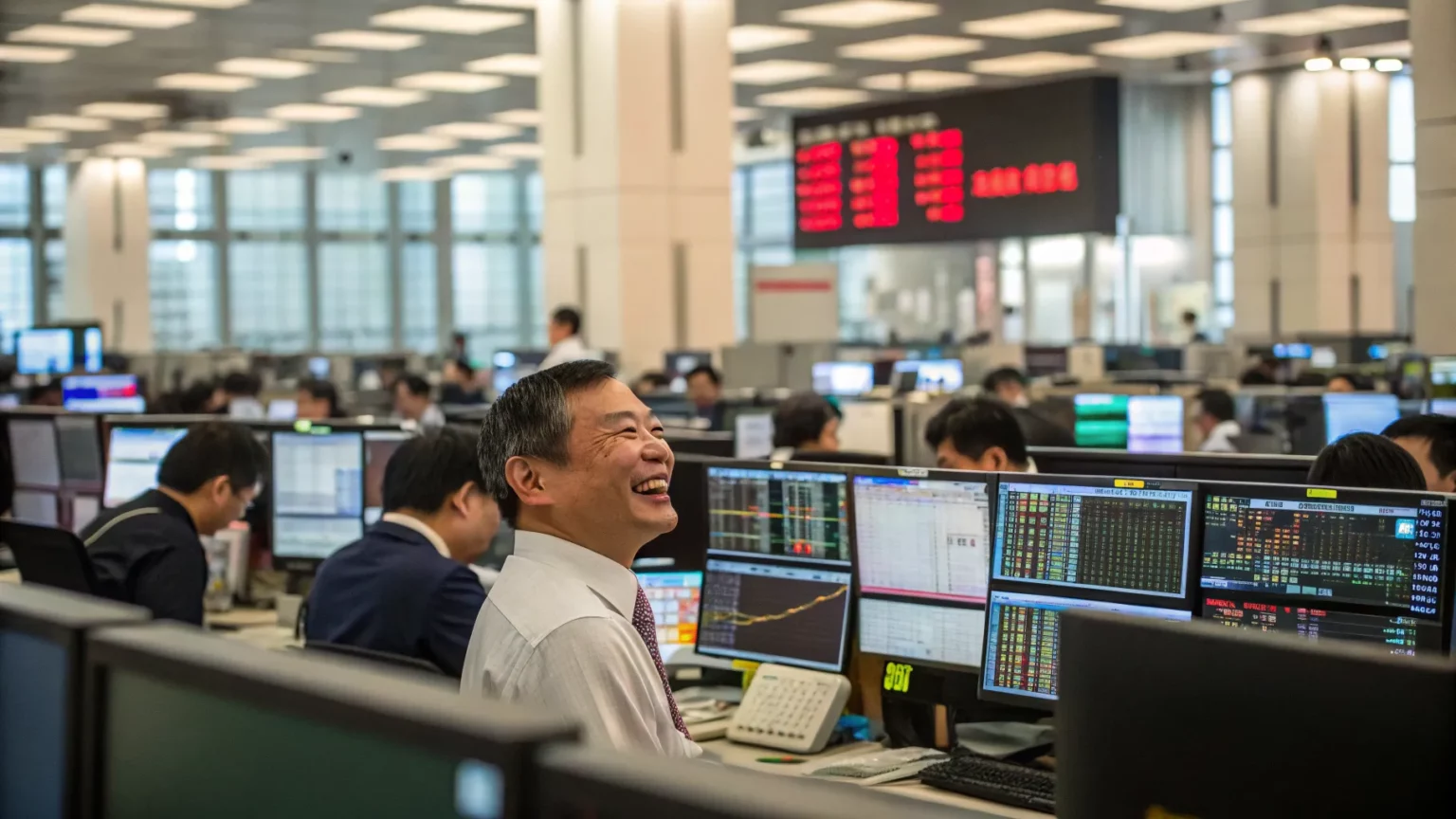
Asian equities were set to open higher Tuesday as traders looked past fresh threats from Donald Trump on Iran ahead of a fragile ceasefire deadline. Futures signaled gains across major hubs, suggesting investors were willing to take on risk despite rising geopolitical noise in the Middle East.
“Asia markets looked set to open higher Tuesday as investors brushed aside fresh threats from Trump on Iran ahead of a fragile ceasefire deadline.”
The expected uptick reflects a view that rhetoric may not immediately disrupt trade, oil flows, or corporate earnings. It also hints at steady demand for growth assets while regional central banks remain cautious and inflation pressures ease in parts of Asia.
Why Markets Are Looking Past Geopolitics
Investors have often discounted sharp political statements when they do not translate into immediate policy changes or direct clashes. In recent years, markets have seen repeated flare-ups in the Gulf followed by short-lived price swings. Many traders now wait for concrete moves, such as new sanctions, military strikes, or shipping disruptions, before shifting allocations in a big way.
That pattern appears to be in play again. The ceasefire deadline adds tension, but positioning suggests investors expect talks to continue or spill over without major fallout. Some fund managers prefer to stay invested and hedge tail risks through oil, gold, or currency options rather than cut equity exposure outright.
Oil, Currencies, and Safe Havens
Energy markets are the first place to look when Middle East headlines hit. A serious supply shock would likely lift crude prices and pressure transportation, airlines, and manufacturing. For now, pricing implies that traders see a low chance of immediate disruption.
In currencies, the Japanese yen and the U.S. dollar tend to attract bids during periods of stress, while regional units can weaken. If tensions fade, the reverse can happen as carry trades reengage. Gold often tracks the same pattern, rising on fear and easing when risk appetite returns.
Regional Indices and Sector Watch
Early gains would likely show up first in export-heavy indexes that benefit from a softer currency and steady global demand. Technology suppliers, consumer platforms, and selected financials could lead, given their sensitivity to growth and rate expectations.
- Energy importers may benefit if oil stays contained.
- Transportation and airlines could gain on stable fuel costs.
- Defense-linked names may see interest if tensions linger.
Traders will also track stocks tied to tourism and retail. A calm backdrop supports cross-border travel and consumer spending. Any sign of escalation may reverse those trades quickly.

Lessons From Recent Episodes
Past Middle East flare-ups often produced short bursts of volatility, followed by stabilization. Markets tended to recover when shipping lanes stayed open and diplomatic channels kept talking. However, when incidents hit tankers or key infrastructure, swings lasted longer and safe-haven flows increased.
That history shapes current strategy. Many desks hold cash buffers or protective positions while keeping core equity exposure intact. The balance allows participation in upside while guarding against sudden shocks.
What Could Change the Outlook
The tone can shift fast. Clear triggers include direct military action, confirmed damage to energy facilities, or a breakdown in talks around the ceasefire. Fresh sanctions with immediate effect could also jolt pricing. Traders will parse official statements and satellite reports for signals on shipping, production, and troop movements.
Domestic policy in Asia matters too. Rate decisions, fiscal plans, and earnings guidance can outweigh geopolitical noise if they point to steady growth. Corporate updates on order books, supply chains, and capital spending will be key in the week ahead.
The Bottom Line
Markets are betting the latest threats will stay contained, at least for now. The expected higher open shows confidence in steady growth and manageable energy costs. But the ceasefire deadline keeps a risk premium in play.
Investors should watch oil prices, shipping updates, and official statements for signs of stress. If calm holds, cyclicals and exporters may extend gains. If tensions rise, expect quick moves into the yen, the dollar, and gold, alongside pressure on travel and energy-sensitive sectors.
For now, cautious optimism prevails. The next 48 hours around the ceasefire timeline will tell whether that stance holds.