



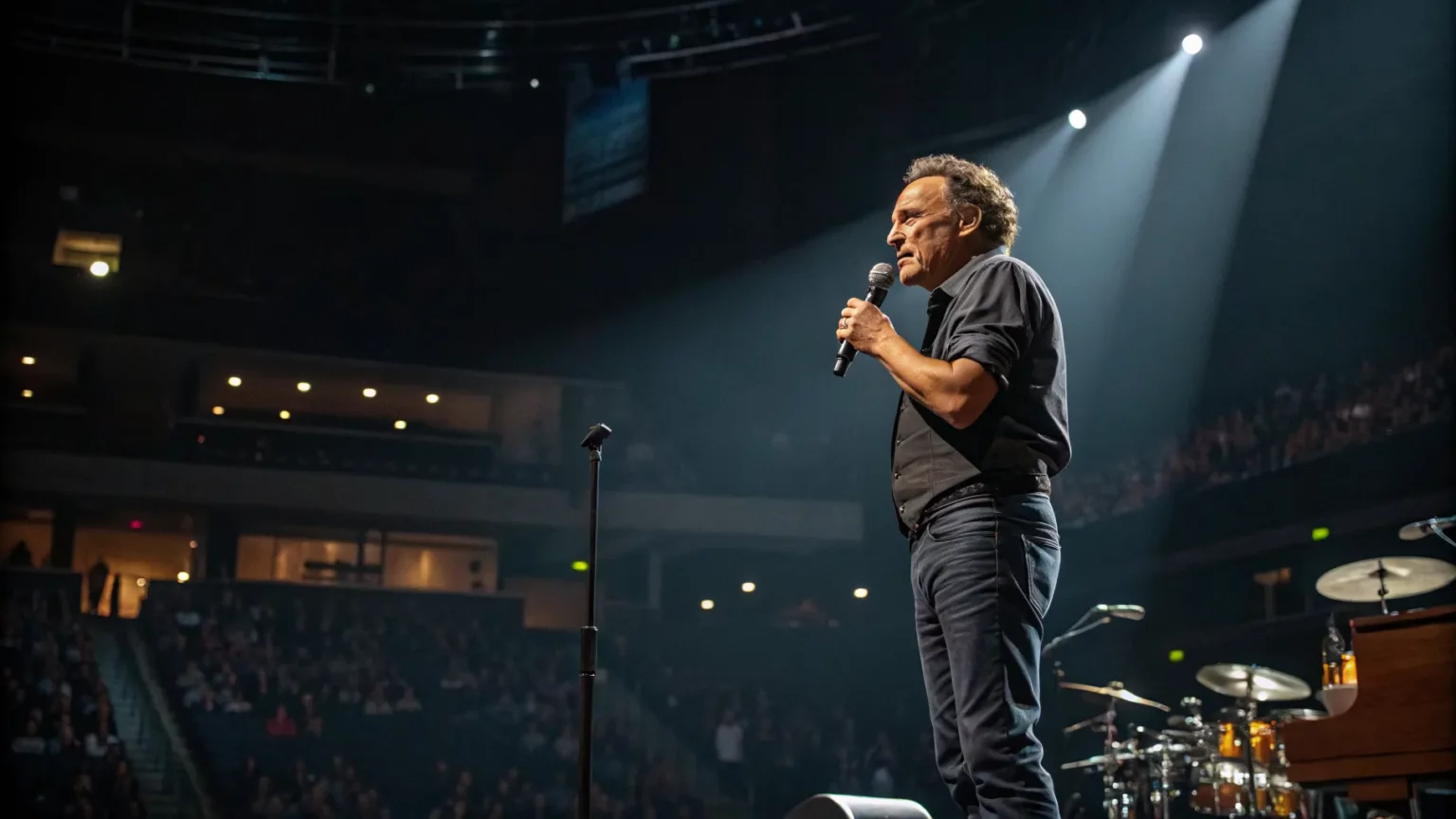
Bruce Springsteen began his Sunday concert at Austin’s Moody Center on a sober note, acknowledging reports of a shooting tied to a Correspondents’ Dinner and saying he was thankful no one was injured. The brief remark set a respectful tone before the E Street Band launched into the set, and it reflected how artists are navigating public safety worries while keeping live music alive.
Bruce Springsteen began his show on Sunday at the Moody Center in Austin, Texas expressing how he was grateful that no one was hurt at the Correspondents’ Dinner shooting.
A Measured Opening Note
Springsteen’s decision to address the news up top was short and steady, the kind of stagecraft honed over decades. He did not linger, but he did not ignore it either. The message was simple: people matter first. The audience answered with applause, then the show moved forward at full stride.
For fans, it was a reminder that big nights out exist alongside anxious headlines. For the band, it was a chance to acknowledge the moment and then do what they came to do. The balance felt intentional and calm.
Why Performers Keep Speaking Up
Artists have long paused shows to recognize world events, local crises, or breaking news. It is not about politics so much as presence. When thousands gather, a few words can steady the room. Springsteen has followed that practice for years, often giving brief nods to events before stepping on the gas musically.
Industry veterans say this approach helps audiences feel seen. It sets a shared reality before the lights and guitars take over. Even a single sentence can shape the mood of a night.
Safety Measures Now Common At Venues
Major arenas like the Moody Center operate with strict entry checks and trained staff. Fans know the drill: lines, metal detectors, and small-bag rules are part of a night out. These measures are designed to reduce risk while keeping crowds moving.
- Metal detectors and bag screening at entry points
- Visible security on concourses and near the stage
- Emergency plans coordinated with local authorities
- Staff training on crowd flow and incident response
None of it guarantees a zero-risk environment, but it raises the odds of a safe show. Springsteen’s remark, noting that no one was hurt, mirrors that goal: keep people safe and keep the music going.
The Audience Factor
Fans often want acknowledgment without alarm. A light touch, like the one in Austin, avoids rumor-chasing and keeps focus on the performance. Social media can spin details fast, so clarity, even brief, helps set expectations in the room.


Promoters track audience sentiment closely. They know a solid plan and a few steady words from the stage can keep energy high while reducing unease. Sunday’s show offered a case study in that approach.
What It Means For Live Music
The live business is resilient, but it adapts. Clear venue policies, better staff training, and smarter communication shape today’s concerts. Artists add a human layer that policies cannot. A quick check-in from the mic builds trust.
Springsteen’s nod to safety was not grand or theatrical. It was grounded. Then the songs took over, which is the point. Music gives relief. A mindful start helps listeners lean in and let go.
As tours cross the country, expect more brief acknowledgments when news breaks. The mix is likely to stay the same: strong security at the doors, firm planning behind the scenes, and a few calm words when needed. Sunday in Austin showed how that formula can work—respect the moment, reassure the crowd, and then turn the amps up. The next test will be the next headline. For now, the takeaway is simple: safety first, then the show.