



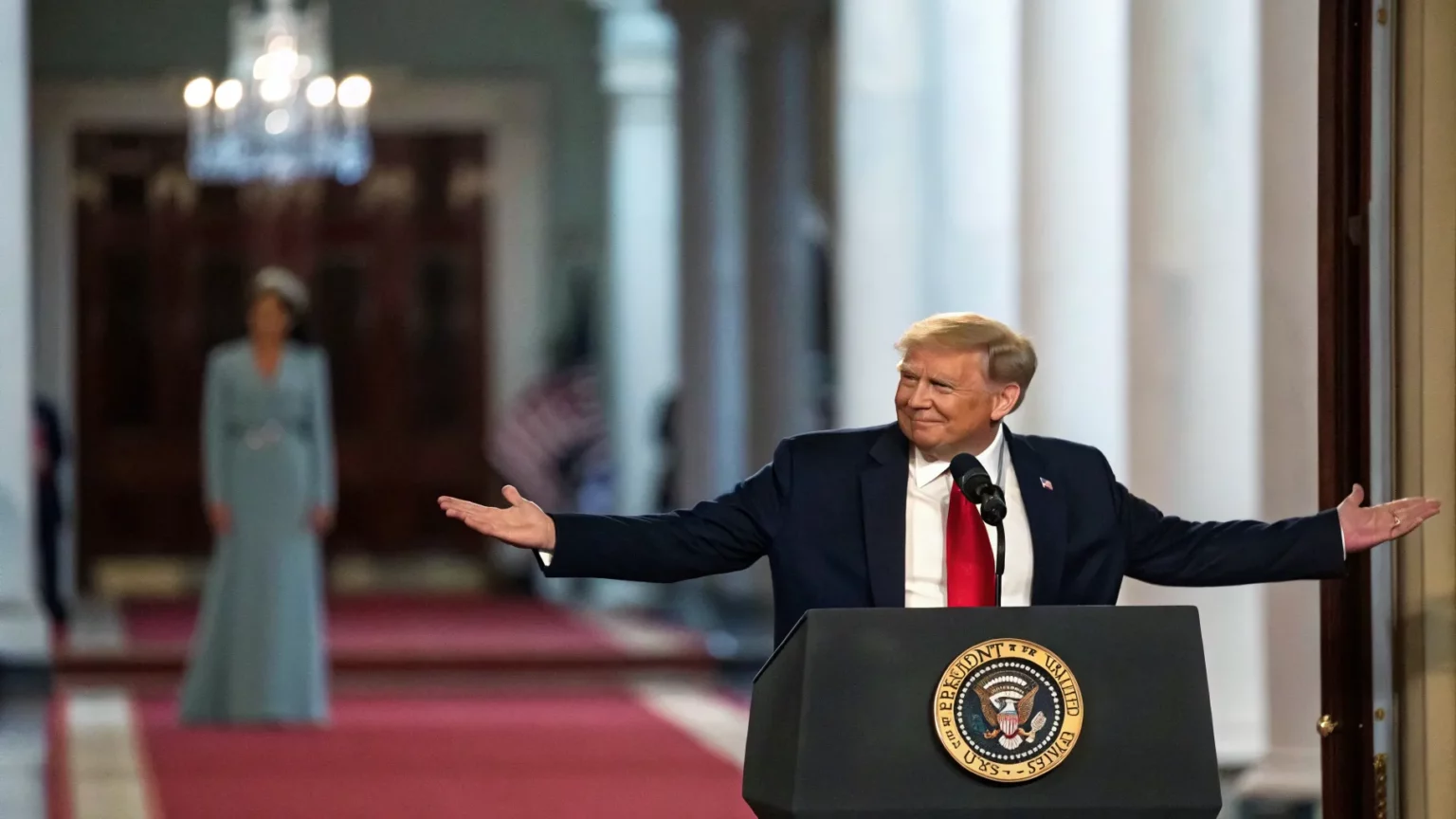
A president’s barbed aside about the Duke of Sussex sparked a fresh round of debate over who speaks for Britain and how royal voices play on the world stage. In brief remarks, the president dismissed Prince Harry’s “great advice” and quipped that he speaks more for the United Kingdom than King Charles III’s younger son, a claim that blends politics, celebrity, and national identity into one combustible sound bite.
The comments came as the Duke of Sussex, who lives in the United States, remains a high-profile figure despite stepping back from royal duties. The exchange revived questions about the role of ex-working royals abroad and how their public statements are received by both British and American audiences.
What Was Said and Why It Landed
The President sarcastically dismissed the Duke of Sussex’s “great advice” and said that he believes he speaks more for the UK than King Charles III’s youngest son.
The line mixed sarcasm with a jab about legitimacy. It suggested that political leaders view the Duke’s public counsel as unhelpful or off-base. It also implied that elected figures, not royals living overseas, carry weight on British affairs, at least in the president’s view.
Supporters of the president read the remarks as a defense of traditional diplomacy and a swipe at celebrity-driven politics. Critics called them needlessly personal and likely to inflame media drama without advancing policy.
Background: A Royal Voice Abroad
Prince Harry, the Duke of Sussex, stepped back from official duties in 2020 and later relocated to the United States with Meghan, Duchess of Sussex. Since then, he has launched media projects, advocacy campaigns, and legal actions against British tabloids. His memoir, public interviews, and courtroom appearances kept him in headlines far from royal protocol.
Polling has reflected shifting views. Recent YouGov surveys have often placed the Duke in negative territory among UK adults, while his reception in the U.S. is more mixed but less hostile. This split frames any comment about his standing as both a political calculation and a cultural Rorschach test.
Reactions and Political Stakes
Political aides framed the president’s remark as a spontaneous aside. Yet the message plays to voters who prefer establishment diplomacy over celebrity activism. For royal watchers, it also hints at ongoing unease with members of the Royal Family speaking out from outside the institution.
Defenders of the Duke argue he is a private citizen with the right to advocate on issues like veterans’ welfare, mental health, and online safety. They say dismissing him reduces complex policy debates to tabloid theater.



- Backers of the president: Elected leaders, not royals abroad, should shape public policy.
- Backers of the Duke: Private advocacy can spotlight issues that governments overlook.
Media, Monarchy, and Public Opinion
British tabloids have long framed the Duke as both agitator and exile, while U.S. media often treats him as a celebrity activist. These different lenses feed transatlantic misunderstandings about what royal status means without official duties.
For the monarchy, the episode is another reminder that public standing travels. A single quip from a head of state can reshape narratives, even when Buckingham Palace remains silent. For the White House, the line risks overshadowing policy with personality politics.
What It Means Going Forward
Foreign leaders commenting on royal figures is not new, but it is rarely this pointed. The jab may harden views among those already skeptical of the Duke’s public role. It may also prompt renewed scrutiny of how former working royals use their platforms.
Observers will watch for three signs: whether the president or his aides walk back the sarcasm; whether the Duke responds or ignores it; and whether UK polling shifts again after a fresh round of headlines. Any of these could reset the narrative or entrench it.
The line landed because it touched a raw nerve: who speaks for Britain, and who should not. As personalities upstage policy, both sides risk feeding a cycle that rewards heat over light. For now, the takeaway is simple. One joke from a president can carry real diplomatic weight, and one royal living abroad can still pull focus at home. The next move, if any, will show whether this flare-up burns out or becomes the latest chapter in a long public tug-of-war.