


Investor optimism rose over a possible restart of key maritime traffic, even as Donald Trump said a peace deal with Iran could be near. The twin signals stirred hopes that trade flows and regional tensions might ease, with markets watching for concrete steps in the days ahead.
Market Hopes Pin on Shipping Flows
Shipping corridors are the arteries of global trade. When they slow, prices rise and delivery times stretch. When they reopen, supply chains can heal.
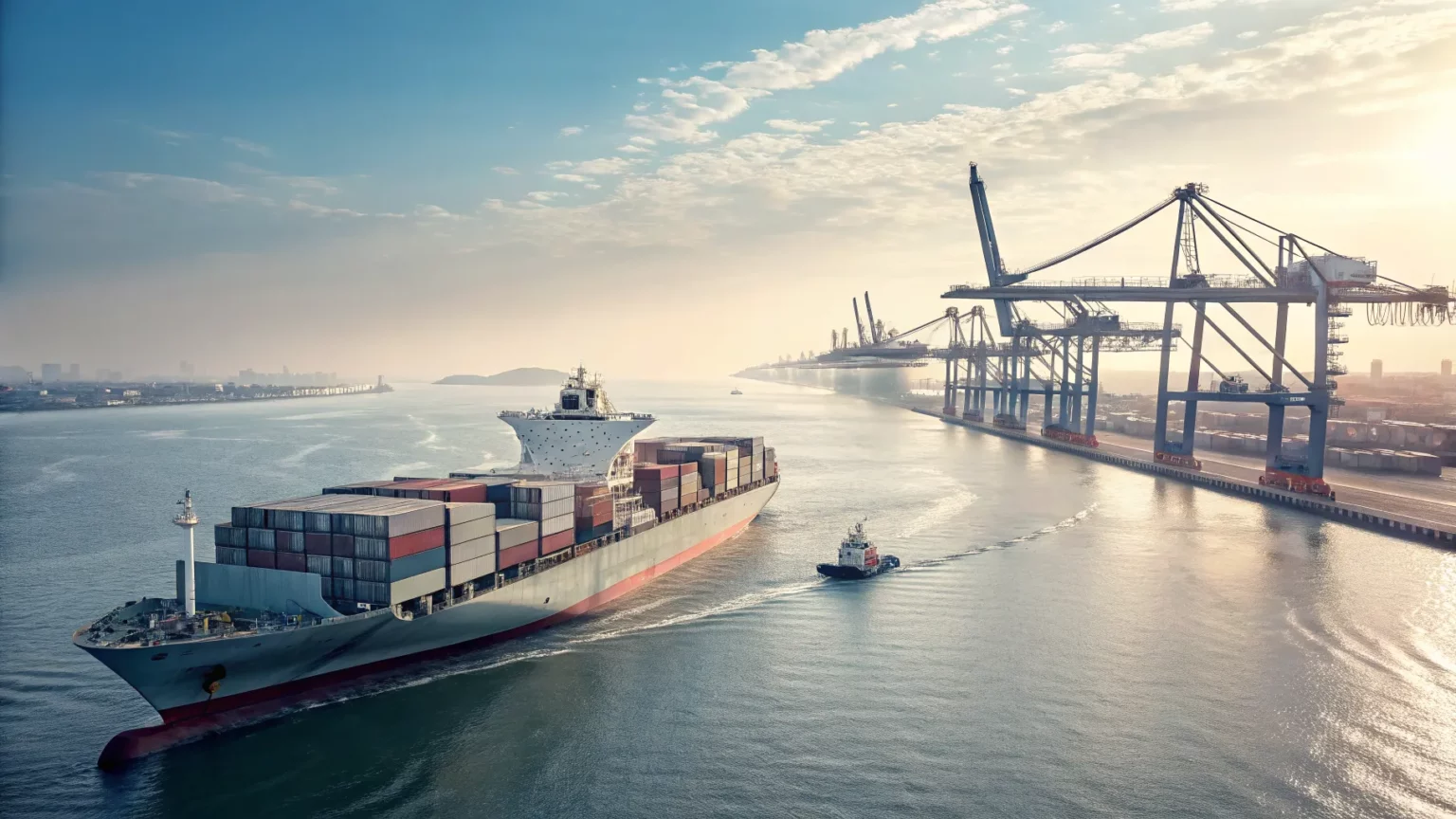
Investors are betting that commercial vessels will soon move in larger numbers. That would signal an easing of disruptions and a path back to predictable schedules.
Investors were hopeful ships will start crossing en masse.
Such expectations often show up first in freight rates and energy markets. Traders look for signs from port authorities, insurers, and satellite traffic data. A return to regular crossings would help lower transport costs and reduce backlogs.
Trump Signals Iran Deal Ahead
Donald Trump suggested a diplomatic breakthrough with Tehran may be approaching, hinting at progress on a long-running source of regional friction.
Trump said an Iran peace deal is on the horizon.
Any move that cools tensions involving Iran can ripple through energy and shipping. Past flare-ups have affected shipping security, insurance premiums, and export plans. A credible peace track could reduce risks for vessels and crews transiting sensitive waters.
Why It Matters for Energy and Trade
Maritime chokepoints carry much of the world’s oil, gas, and containerized goods. Stability in these routes helps keep fuel prices steady and inventories balanced.
- If crossings scale up quickly, logistics costs may fall and delivery windows could tighten.
- If diplomacy lowers security risks, insurance costs for some routes might ease.
- If progress stalls, volatility could rise in freight and crude markets.
Manufacturers and retailers are highly exposed to shipping delays. So are refiners and utilities that rely on steady energy imports. Even small interruptions can spread through supply chains, raising costs for consumers.


Signals, But Few Details
For now, signals outpace details. Investors want firm confirmation from maritime authorities, port operators, and shipowners. They also look for clear diplomatic steps, such as formal talks or confidence-building measures.
Analysts note that a durable peace framework requires enforcement tools and verification. Maritime security also depends on coordination among navies, shippers, and insurers. Without those pieces, relief can be temporary.
What Could Come Next
Several paths are possible over the short term:
- A faster resumption of crossings eases supply snarls and trims freight rates.
- A partial reopening limits relief to select routes or vessel classes.
- A setback in talks or security incidents slows progress and revives risk premiums.
Market reaction will likely track hard evidence: convoy schedules, updated insurance guidance, and statements by regional authorities. Energy prices may respond first, followed by shipping equities and logistics providers.
The latest comments lift hopes for calmer seas in both trade and diplomacy. But durable change rests on verified ship movements and clear diplomatic milestones. Investors will watch for official notices from ports and carriers, as well as any structured talks with Iran. Until then, expectations remain ahead of proof, and markets will price the difference.