




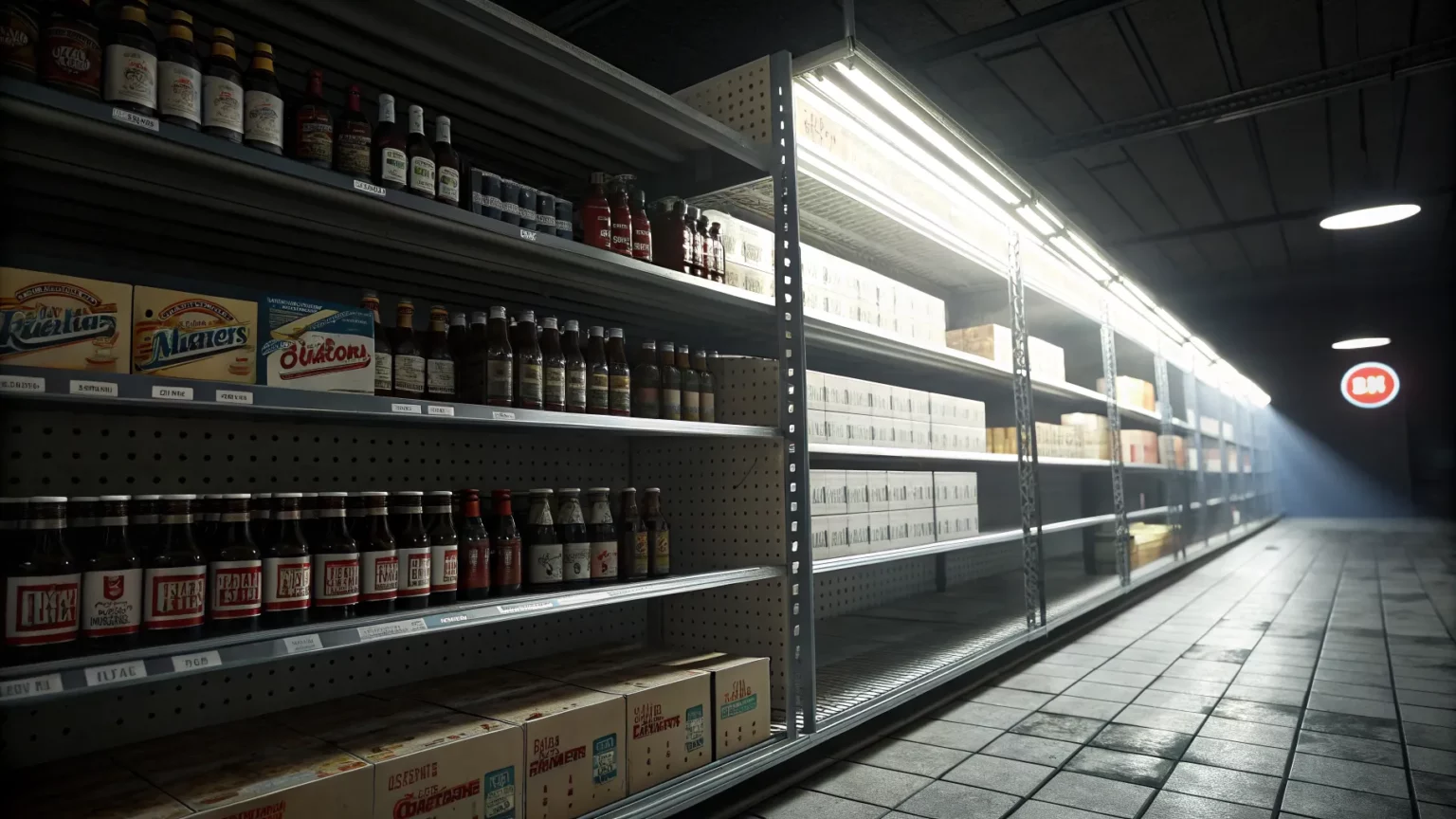
Schlitz Premium, the Milwaukee-born lager once synonymous with American beer halls, is being pulled from the market, closing a chapter that stretches back more than 175 years. The decision affects a label that helped define Midwestern brewing and fueled national beer trends. It arrives amid shifting tastes, tighter retail shelves, and rising pressure on legacy brands.
“Schlitz Premium, the Milwaukee-born lager that once dominated the U.S. brewing industry, is being discontinued after more than 175 years.”
The move ends one of the country’s oldest mass-market lagers. It also spotlights how hard it has become for heritage beers to compete against lighter macros, hard seltzers, flavored spirits, and craft styles.
A Legacy Brew From Milwaukee
Schlitz traces its roots to the mid-19th century in Milwaukee, a city built by immigrant brewers. The brand adopted the slogan “The beer that made Milwaukee famous,” and for a time it lived up to the boast.
By the early 1900s, Schlitz had surged to the top tier of U.S. breweries. It rode advances in bottling, refrigeration, and rail shipping to reach drinkers nationwide. Ballparks, corner taverns, and supper clubs poured Schlitz as a house beer.
The company’s rise mirrored the nation’s beer story: consolidation, coast-to-coast distribution, and fierce advertising battles on radio and television.
How a Giant Lost Its Foothold
The decline began decades ago. In the 1970s, cost-cutting and recipe changes hurt the beer’s reputation. A labor strike and ownership changes followed in the early 1980s, and the brand never fully recovered its place against Budweiser, Miller, and Coors.
Later efforts tried to recapture the classic taste and packaging. Some markets saw limited revivals and “heritage” promotions. Yet the shelf space grew more crowded as imports and craft breweries multiplied.
Today’s retail math is unforgiving. Fewer SKUs survive unless they post steady turns. That pressure has pushed many mid-tier legacy beers off chain-store planograms.



Industry Signals and Consumer Trends
The end of Schlitz Premium fits a broader shift. Drinkers have moved to lighter, lower-calorie lagers, Mexican imports, and flavored offerings like seltzers and ready-to-drink cocktails. Craft beer still commands a loyal base, though growth has cooled.
- Retailers have trimmed slower legacy labels to make room for high-growth imports and convenience-based drinks.
- Young adults sample across styles, reducing long-term loyalty to single flagship brands.
- Marketing has tilted toward cans, limited drops, and collaborations that create quick buzz.
Pricing also plays a role. Value lagers face cost inflation in packaging and transportation, but they often lack premium pricing power. That squeeze can make nationwide distribution tough to justify.
What Ends—and What Might Remain
The discontinuation affects Schlitz Premium, the core lager that once anchored the brand’s identity. Other offshoots and legacy labels often see uneven regional demand, and companies regularly prune lines that underperform. Availability will depend on distributor inventory and existing retail commitments.
For Milwaukee, the news lands with symbolism. The city still celebrates its beer heritage, from surviving macro plants to a dense network of craft taprooms. But the passing of a marquee lager underscores how much the market has changed since the mid-20th century.
Voices From History and The Market
Beer historians have long pointed to the risks of altering recipes and packaging to save costs. Once a lager loses its taste identity, winning back trust is difficult. Retail buyers, meanwhile, watch scanners. When a brand’s scan data softens for several quarters, delisting follows.
Distributors often describe a “middle squeeze.” Premium imports and value-priced store brands grow, while classic domestics without heavy marketing sit in between. Schlitz Premium fell into that middle.
What To Watch Next
Consumers could see short-term deals as warehouses clear stock. Some bars may stage farewell nights, especially in the Midwest. Collectors often seek vintage cans and signage when a brand fades.
Rival heritage labels may face similar reviews as brewers prioritize winners and trim the tail. Expect more focus on imports, light lagers with strong ad support, and convenience-driven beverages.
For loyal drinkers, the loss is more than a SKU change. It marks the end of a link to family gatherings, bowling leagues, and Friday fish fries. Brewers trade in taste, but they also trade in memory.
The sun setting on Schlitz Premium closes a storied run. It also clarifies where the U.S. beer business is headed: fewer national legacy lagers, more targeted brands, and constant churn. Watch for companies to double down on products with clear identities—because in a crowded cooler, clarity wins.