



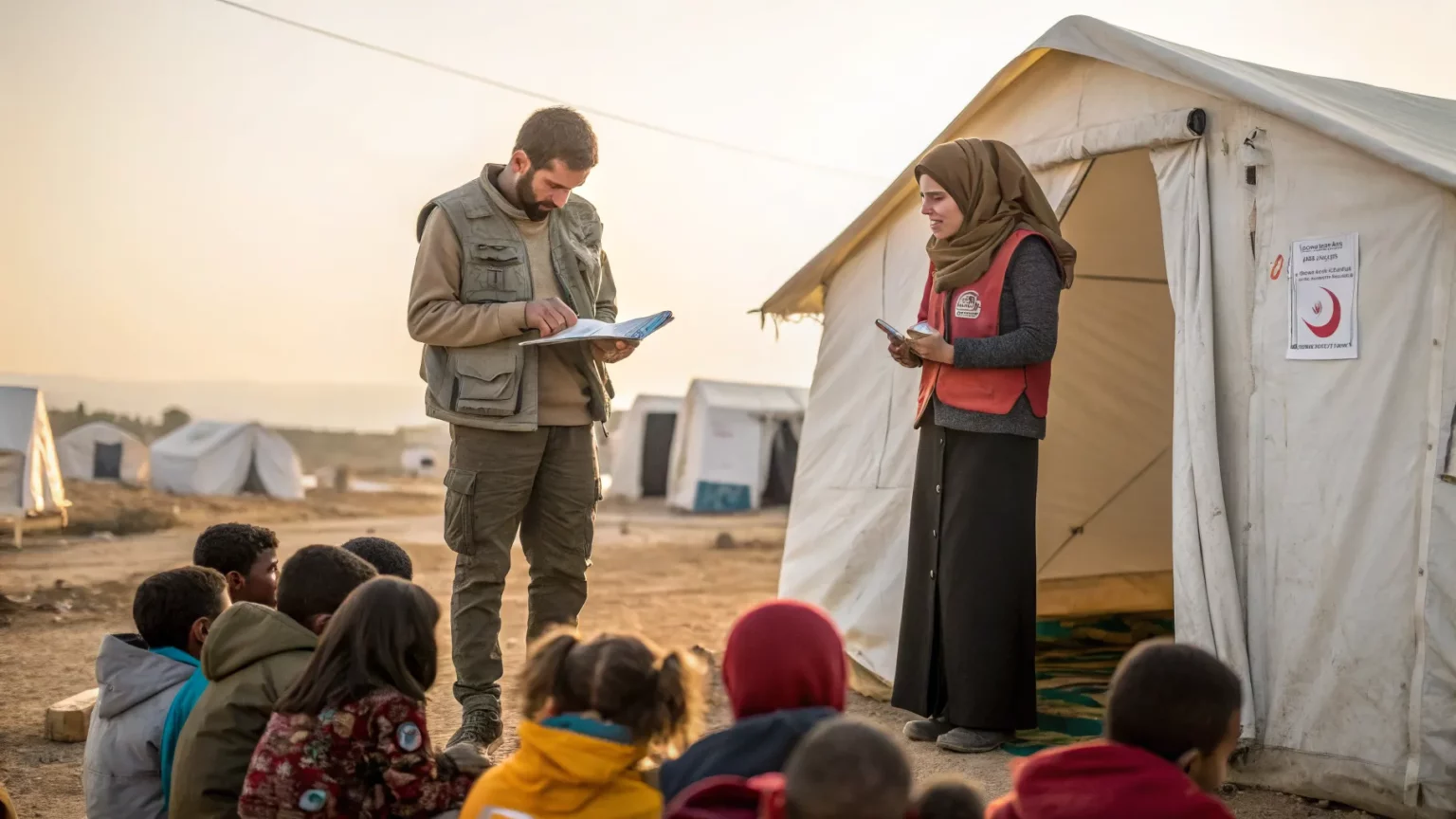
As conflicts stretch from South Sudan’s political turmoil to rising tensions in the Gulf, a humanitarian pair is moving to put classroom learning on the emergency agenda. Their plan seeks new funding streams to keep children in school when war or displacement shatters daily life. The effort, discussed in New York this week, aims to close a gap that aid groups say is widening as crises drag on and budgets tighten.
The push targets children living through active conflict or its aftermath, where schools are destroyed, teachers flee, and families face hard choices. It comes as aid agencies warn that education often falls low on the priority list after food, shelter, and health. Advocates argue that learning is a lifeline that protects children now and helps communities recover later.
Why Education Gets Sidelined In Emergencies
In most emergencies, donors fund immediate survival needs first. That order makes sense when families lack safety and basic care. But it can leave children out of class for months or years. Aid workers say the result is lost skills, early marriage, recruitment by armed groups, and trauma with no outlet.
South Sudan shows the strain. Years of conflict have uprooted families and damaged schools. Many children walk long distances to find learning spaces that often lack books, trained teachers, or safe latrines. Similar pressures appear in other crises, where instability disrupts exams and breaks links between schools and health services.
International agencies have long warned that millions of children in conflict zones miss school. Education budgets in emergency appeals are often among the smallest and least funded. The gap widens when crises last for years and donors rotate to newer disasters.
The Proposal: Make Learning Part Of Emergency Aid
The two humanitarians are urging donors and host governments to fund education as a core part of relief plans, not as an add-on. They frame the case in practical terms: education provides structure, keeps children safe during the day, and connects families to aid networks.
“One humanitarian duo wants to ensure conflict-stricken children get funding for an often-overlooked need: education.”
The plan, as described by supporters, would link short-term emergency classes to longer-term systems. That means paying teachers on time, recognizing learning from temporary classrooms, and moving students into public schools when possible.
- Set aside a fixed share of crisis funding for education.
- Support rapid “school-in-a-box” kits and mobile classrooms.
- Train and pay local teachers, with simple mental health support.
- Protect exams and school records so children do not lose progress.
Supporters Say Education Is Protective
Child protection experts argue that school is more than lessons. A classroom offers routine and peer support when daily life breaks down. Trained teachers can spot signs of distress and connect families to services. Safe routes to school can reduce risks of violence and exploitation.



Economists add that every year out of school lowers lifetime earnings and weakens recovery. Keeping adolescents in class can reduce early marriage and child labor. These gains, they say, justify a stable slice of emergency funding.
Questions On Cost And Priorities
Not everyone agrees on how to pay for this shift. Some donors worry that education budgets in emergencies could crowd out food or medical care. Logistics are also tough. Schools need safe buildings, supplies, and trained staff. In active conflict, security can shut classrooms with little warning.
Local officials in fragile states often face empty budgets and competing needs. They must balance national payrolls for teachers with repairs to clinics and roads. Humanitarian groups say this is why ring-fenced funding and flexible tools matter, so programs can scale up or down as conditions change.
What To Watch Next
Observers are looking for clear targets and evidence. Donors want to see how many children can return to class, how learning is measured, and how programs protect girls and children with disabilities. Aid groups say simple metrics can track attendance, exam pass rates, and teacher retention.
Regional tensions also shape the outlook. New displacement can overwhelm schools in host communities. Cross-border shocks ripple through supply chains for textbooks and food assistance. These pressures test whether education funds can move fast and reach the hardest-hit areas.
The push by the humanitarian duo puts a neglected issue back in the spotlight. It argues that reading, writing, and safe learning spaces are not luxuries during war. They are part of a basic response that shields children and helps societies rebuild. The next steps will hinge on whether donors lock in steady money, whether local systems can absorb it, and whether results are tracked with care. If those pieces come together, more children could keep learning even as crises unfold—and be better prepared for the day peace returns.