




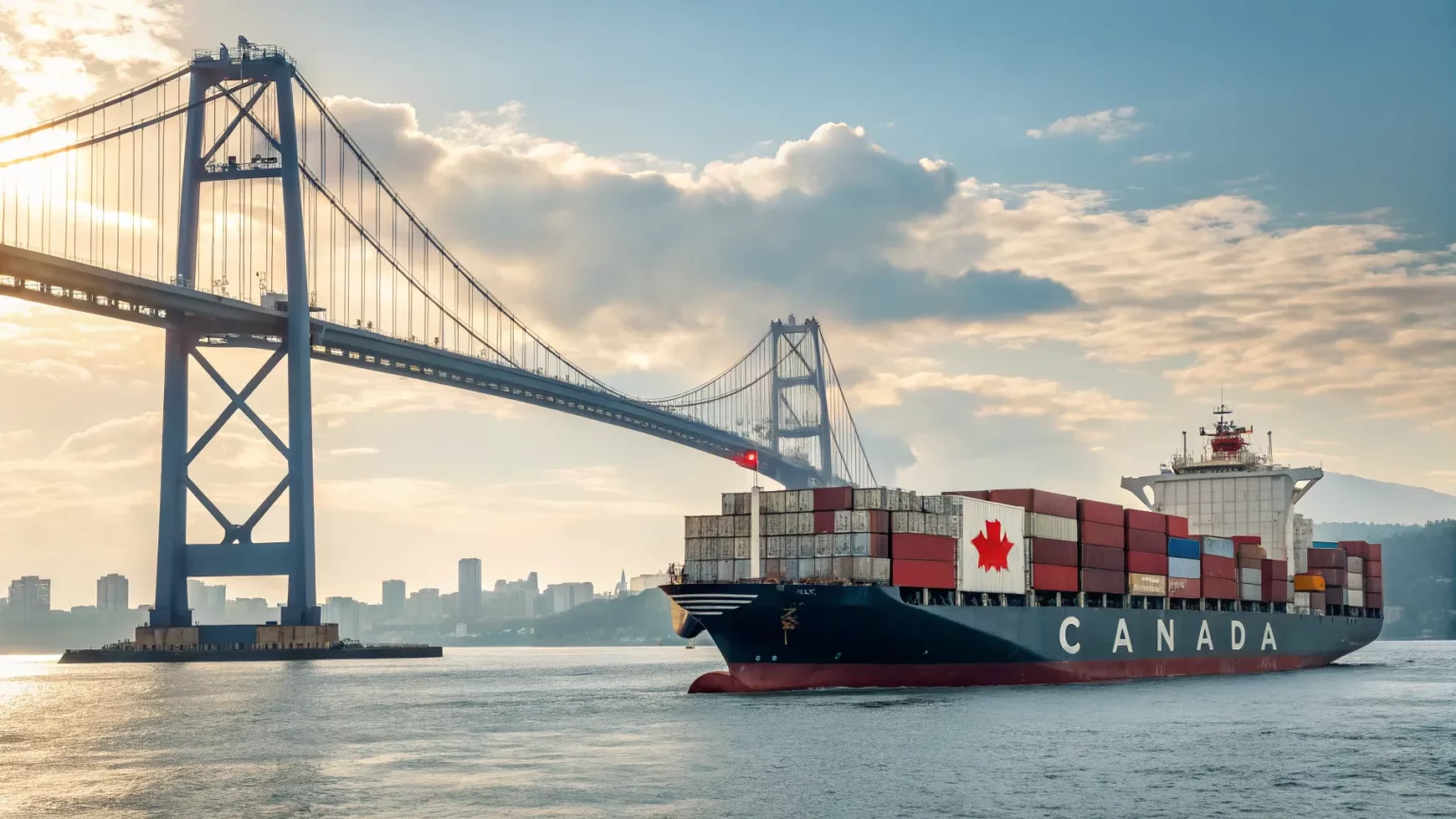
Canada signaled a major trade push with China as Foreign Minister Anita Anand announced a goal to increase exports by 50% by 2030. The statement came as her Chinese counterpart arrived in Ottawa, reflecting shifting trade ties influenced by new U.S. tariffs. The timing suggests Ottawa is repositioning amid global supply chain changes and tighter industrial policies.
The plan sets a clear target and invites questions over how Canada will balance commerce with political and security concerns. It also shows how U.S. measures against Chinese goods are reshaping trade across North America. Canada appears set to test how far it can expand sales in the world’s second-largest economy while managing risk at home.
The Announcement and Its Message
Anand framed the goal in straightforward terms during the visit.
“Canada aims to grow exports to China by 50% by 2030.”
The message highlights a long-term focus. It points to an effort to diversify buyers for Canadian commodities and value-added products. It also suggests that Canada wants a larger role in Asia’s trade flows despite frictions in recent years.
Why Now: Tariffs and Realignment
Washington has tightened tariffs on a range of Chinese goods, including clean-tech inputs. These steps are pushing companies to rethink supply routes and markets. Canada is seeking to protect its exporters while keeping access to fast-growing consumer demand in Asia.
Ottawa has promoted supply chain resilience, especially in critical minerals and clean energy. A stronger export foothold in China could support sectors like agriculture, mining, forestry, and services. Yet it raises coordination issues with U.S. policy and North American rules.
Trade History and Strains
China has been one of Canada’s top trading partners for years. Canadian sales to China have centered on canola, potash, lumber, pulp, seafood, and agriculture technology. Services, such as education and tourism, have also linked the two economies.
Relations, however, have faced serious stress. Past disputes over canola, detentions of citizens, and technology security concerns led to periods of sharp decline. Ottawa has since moved to reduce single-market dependence while keeping trade channels open. The new target suggests a turn to managed engagement rather than a freeze.



What a 50% Increase Could Look Like
A 50% rise by 2030 would require steady annual growth. It would also call for market access wins and reliable logistics.
- Expanded sales of agriculture and resource goods.
- More demand for clean-tech materials and equipment.
- Growth in services, including education and digital exports.
- Improved trade facilitation and regulatory clarity.
Exporters would need predictable customs rules, science-based inspections, and clearer paths for data and digital services. Rail, port capacity, and container availability would remain key.
Risks, Safeguards, and Domestic Politics
Greater exposure to one large market can raise vulnerability. Political flare-ups or product bans could disrupt sales. Firms would likely hedge by lining up buyers in other Asian economies.
Security screening and investment reviews remain sensitive. Ottawa has tightened oversight in areas tied to critical infrastructure and advanced tech. Any export push will face scrutiny from labor, human rights advocates, and industry groups.
Provinces reliant on resource shipments may support the plan for jobs and revenue. Others may press for stronger guardrails and transparency. Federal agencies will be judged on how they balance growth with enforcement and values.
Industry Outlook and Next Steps
Analysts expect near-term focus on agriculture inputs, clean-energy materials, and processed wood products. Services could recover as travel and student flows stabilize. Success will depend on demand in China and the health of Canada’s supply chains.
Officials may pursue technical agreements on food safety, customs, and digital trade. Businesses will watch for clear signals on export financing and market development funds. Progress in these areas would help turn a headline target into measurable gains.
Anand’s goal sets a marker at a time of tariff-driven shifts and careful diplomacy. The outcome will hinge on regulatory cooperation, infrastructure readiness, and steady buyer demand. Watch for pilot agreements, sector-specific deals, and shipment data over the next year as early tests of momentum.