




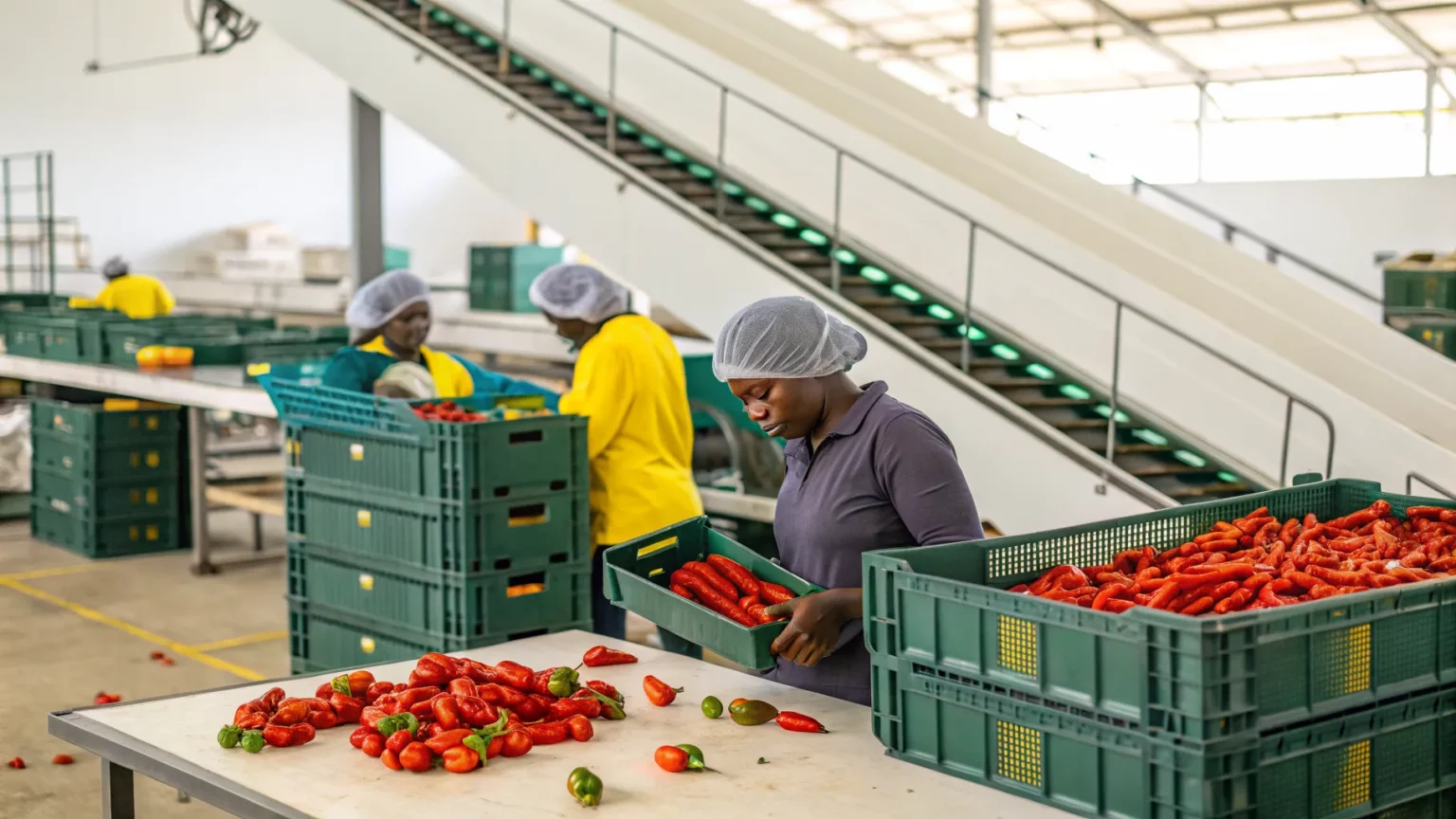
Jamaican food manufacturers are warning of a shortage of key chilli peppers, a squeeze that could hit hot sauce lines, prepared meals, and exports if it persists. The concern surfaced this week as processors reported they cannot secure the volumes or quality they need from regular suppliers across the island.
“Manufacturers in Jamaica say the key chilli peppers they need are in limited supply.”
The warning matters because peppers, especially Scotch bonnet, sit at the heart of Jamaica’s food economy. They flavor jerk marinades, pepper sauces, and seasonings sold at home and abroad. A tight market could slow production, raise prices, and strain small businesses that depend on steady inputs.
Why Peppers Matter for Jamaica
Scotch bonnet peppers are a signature ingredient in Jamaican cuisine. They are prized for heat and a distinct fruity note. Food processors rely on them for sauces, condiments, and ready-to-cook items.
Processors often buy from a mix of contract farmers, open markets, and intermediaries. When supply drops, factories run fewer shifts or reformulate products. That risks flavor changes and brand damage for companies that market authentic taste.
Early Signs and Possible Pressures
Manufacturers have not detailed the exact cause of the shortage. Still, several known pressures can strain pepper supply in the Caribbean and could be at play:
- Weather swings that affect flowering and yields.
- Higher costs for fertilizer, fuel, and labor.
- Pests and plant diseases that reduce output.
- Transport delays that slow movement from farm to factory.
Any one of these can tighten the market. Combined, they can push prices higher and lower the quality reaching processors.
Impact on Factories and Workers
Hot sauce and seasoning producers are the most exposed. Without enough peppers, they face tough choices. Some will cut batch sizes and prioritize best-selling products. Others may switch to blends or frozen pulp if available.
Reduced throughput can ripple to workers who depend on regular shifts. Packaging suppliers, label printers, and logistics firms also feel the slowdown when factories scale back.



Small and medium processors often have limited storage and cash flow. That makes them vulnerable when input prices rise or deliveries slip.
Farmers Caught in the Middle
Growers usually plan plantings months ahead. Sudden changes in demand or weather leave them exposed. If fields underperform, farmers struggle to meet contracts and lose income from missed bonuses tied to quality.
Some farmers may try to expand acreage to catch higher prices. That move carries risk if the shortage eases before the next harvest, leading to gluts and price swings.
What It Means for Shoppers and Exports
Consumers could see thinner shelves for certain sauces and marinades. Prices may rise if manufacturers pass on higher costs. Restaurants that buy pepper by the box may face extra charges or smaller orders.
Exports are a concern. Jamaican pepper sauces anchor gift shops, duty-free outlets, and specialty aisles overseas. If shipments fall, retailers abroad may fill space with substitutes from other countries, making it harder to regain share later.
Short-Term Fixes and Longer Paths
Manufacturers have several near-term options:
- Source from alternative growing regions, if quality matches.
- Use frozen or pureed pepper stock as a bridge.
- Stagger production runs to stretch current inventory.
- Communicate limited-time pack changes to keep trust.
Longer term, industry groups often look to contract farming, improved irrigation, and better post-harvest handling to steady supplies. Cold storage and processing hubs can reduce spoilage and help match farm output with factory needs throughout the year.
Signals to Watch
Key indicators in the coming weeks include farmgate prices, market volumes in major parish hubs, and any import permits issued to ease the crunch. Traders’ reports on quality—ripeness, heat, and aroma—will also guide how much reformulation is needed.
If weather holds and plantings recover, supply could stabilize before peak holiday demand. If pressures persist, manufacturers may lean more on blends and short runs of flagship products.
The immediate message from industry is clear: critical chilli peppers are scarce, and processors are adjusting. The next month will show whether this is a brief squeeze or a longer challenge. Readers should watch factory output, retail pricing for pepper sauces, and signals from grower groups. A quick rebound would protect jobs and exports. A prolonged shortage would test brand loyalty and the resilience of Jamaica’s food sector.