




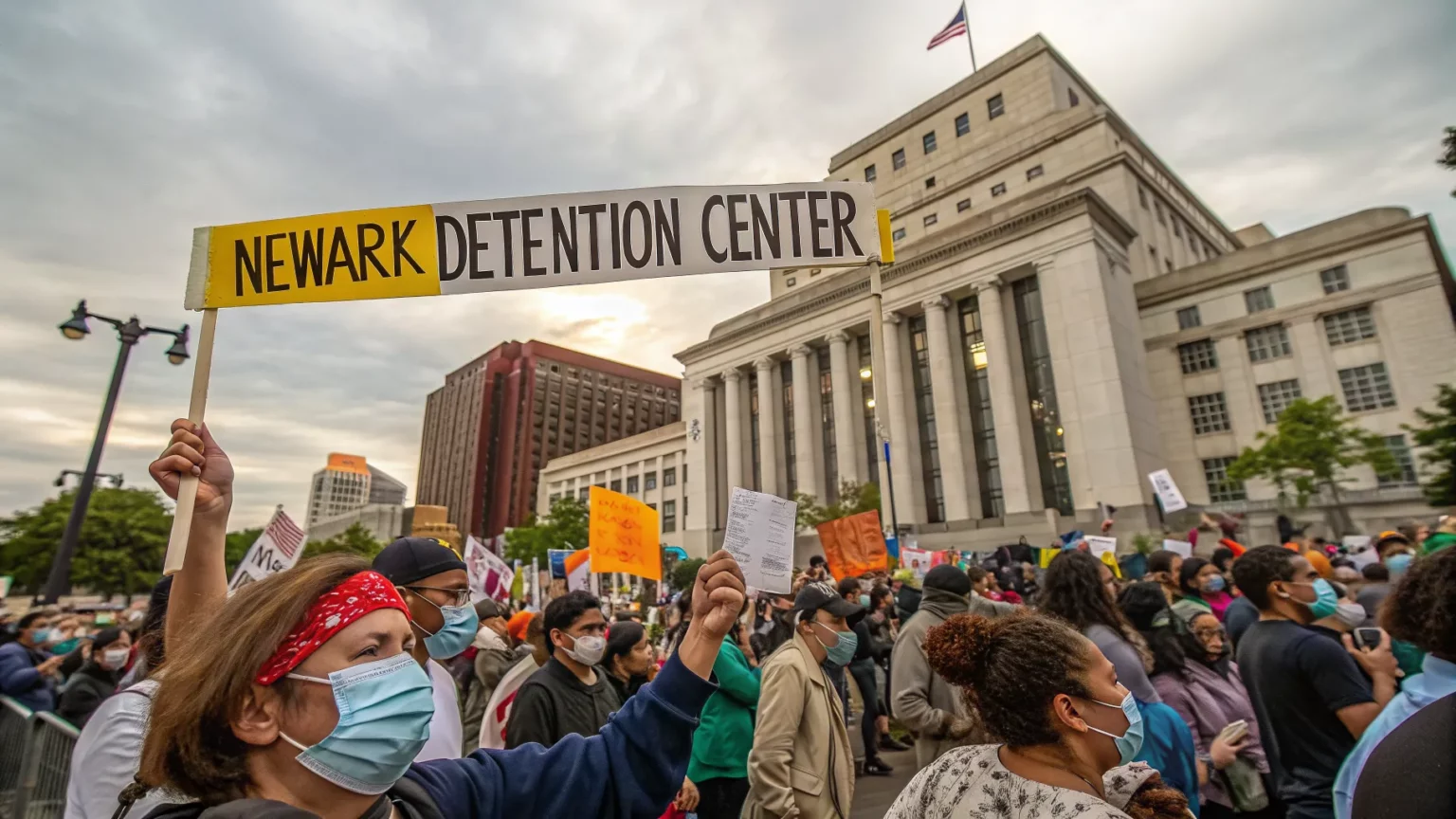
Calling for swift action after recent violence in Minneapolis, Democrat Mikie Sherrill urged officials to close a detention center in Newark, citing urgent safety concerns for people inside and the surrounding community. Her appeal puts renewed pressure on local and federal leaders in New Jersey as debates over detention, policing, and public safety grow more intense.
Sherrill, a prominent New Jersey Democrat, framed the issue as one of safety and accountability. She linked the call to the deadly events in Minneapolis that sparked national demonstrations and policy reviews across many states and cities.
“Democratic Gov. Mikie Sherill cited safety concerns following the deadly events in Minneapolis as she called for the closure of the detention center in Newark.”
Safety Concerns After Minneapolis
The death in Minneapolis set off nationwide protests and a closer look at how people are held in custody. Advocates argue that detention centers face many of the same risks seen in jails and prisons, including poor oversight, gaps in medical care, and tense conditions that can turn dangerous.
Sherrill’s remarks reflect fears that high-pressure environments can escalate without strong safeguards. Supporters of closure say the Newark facility should not continue operating unless it can prove that detainees and staff are protected and that clear standards are enforced.
Newark Facility Under Scrutiny
Newark has long been a hub for law enforcement and immigration activities. The local detention center has drawn attention from civil rights groups, faith leaders, and attorneys who question conditions and oversight. They point to reports from around the country describing overcrowding, staffing shortages, and inconsistent access to legal and medical services in detention settings.
Legal advocates argue that detention places vulnerable people at risk. They say alternatives such as supervised release, case management, and electronic check-ins can keep people engaged in legal proceedings without the same hazards. Community groups in Newark have pushed for those options, saying they are more humane and often less costly.
Supporters and Critics Respond
Sherrill’s call drew mixed reactions. Immigrant-rights groups praised the move as overdue, citing long-standing complaints from detainees and their families. Some local leaders agree that closures should be on the table if inspections cannot verify safe conditions.
Others warn of new problems if the facility shuts down. Union representatives for detention staff have argued that closures can cost jobs and push detainees to distant sites, making it harder for families and lawyers to visit. Federal officials often say detention is necessary to manage cases that involve complex legal issues or flight risks, and that they monitor facilities through contracts and audits.



- Advocates: Close the center and expand supervised alternatives.
- Labor groups: Protect local jobs and ensure safe staffing.
- Federal officials: Keep custody for higher-risk cases with stronger oversight.
What Oversight Could Look Like
Experts say better outcomes depend on clear rules and public reporting. They point to frequent, unannounced inspections, transparent findings, and timely fixes for safety lapses. Medical and mental health services are also key, as is training staff to de-escalate tense situations.
Community oversight boards and independent monitors have been tested in other jurisdictions. Supporters claim they improve trust and help surface problems early. Opponents argue they can slow operations and add costs without clear gains.
What Comes Next for Newark
Sherrill’s position increases pressure on local, county, and federal partners to conduct new reviews. If they keep the center open, they will likely face demands for strict safety benchmarks and public updates. If they choose to close it, they must outline where detainees will go, how due process will continue, and how to avoid disruptions for families and counsel.
For now, the key questions remain: Are current safeguards enough to protect people in custody and staff? If not, can oversight and alternatives reduce harm quickly, or is closure the only credible path?
Sherrill’s call ensures those questions will not fade. The decision in Newark could shape how other cities weigh detention against safety, transparency, and community trust in the months ahead.