


Even the most stylish stars miss the mark. As award shows return and premieres pile up, high-profile names are reassessing past outfits and admitting what did not work. The theme is simple and relatable: style heroes can have off days, and the red carpet can be an unforgiving stage.
The question is not if a misstep will happen, but what happens next. Fans remember the gowns and suits. Brands track the chatter. Stylists revisit choices. That cycle now moves faster, thanks to social media feeds and instant commentary.
Fashion’s Toughest Stage
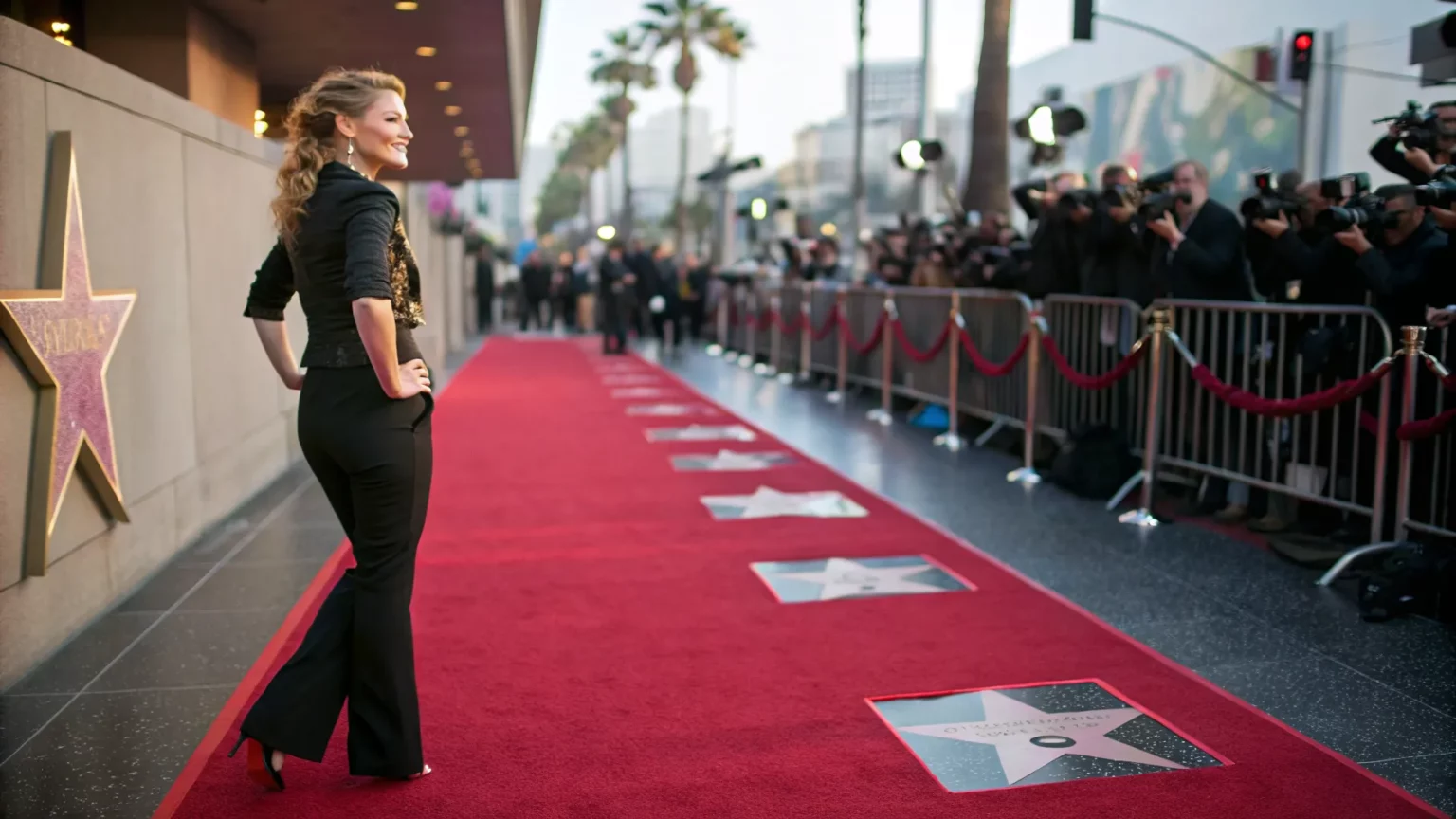
Red carpets are built for spectacle. The setting is high pressure, timed, and public. Outfits must photograph well, move well, and feel right under hot lights. That is a tall order. Stylist teams juggle designer loans, last-minute tailoring, and tricky accessories. Any small miss can echo online for years.
As one clear summary puts it:
“Everyone makes regrettable sartorial choices, including superstars known for their style.”
That sentiment tracks with what fans see. Perfection is rare. A look can seem strong in fittings and fall flat on a step-and-repeat. The margin for error is small, and the internet has a long memory.
From Style Icons to Second Thoughts
Even icons are not immune. The idea spans industry favorites and pop headliners. As one overview notes:
“From Rihanna to Selena Gomez, see which red carpet looks celebrities wish they could erase from their memories.”
The message is less about blame and more about honesty. Stars and teams grow bolder, try new shapes, and experiment with color. Some risks soar. Others stumble. With more events and more cameras, a few misses are inevitable.
Why Good Looks Go Wrong
The path from runway to red carpet is complex. A dress designed for a model’s stride may not suit a stage or a seated interview. Fabrics react to flash. Heels change posture. Jewelry shifts focus. Weather adds a twist. Sweat, wind, and humidity do not care about couture.
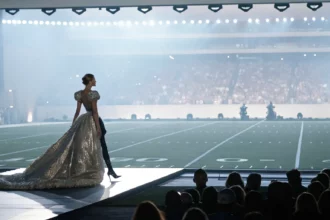
- Fit changes under bright lights and movement.
- Camera flash alters color and texture.
- Event setting can clash with styling choices.
- Last-minute swaps invite risk.
Combine those factors and even seasoned teams can misjudge the moment.
The Social Media Amplifier
What once faded after print deadlines now lives in loops and memes. A single photo can trend, then resurface months later. That persistent visibility changes incentives. Some stars now pre-test looks in controlled lighting. Others post behind-the-scenes clips to shape the story.
Fan culture cuts both ways. Instant praise builds fashion legends. Instant backlash fixes a misstep in the public record. The lesson is clear: control what you can, explain what you cannot.
Course Corrections and Comebacks
Regret is only half the tale. The bounce-back often sets the tone. Many stars refine silhouettes, simplify palettes, or swap risky fabrics for surer options. Teams build “failsafes” into the plan, like backup shoes, alternative hems, and detachable trains.
Public reflection also helps. A candid note about a look that missed can soften criticism and reset expectations. Fans respond to honesty and growth. Brands, too, value a quick recovery. A sharp next appearance can rewrite the narrative.
What It Means for Designers and Brands
Design houses watch these moments closely. A misfire can dampen a runway message. A hit can sell a season. That feedback loop tightens with each event. Expect more collaboration between stylists and designers on lighting tests, fabric trials, and movement checks.
There is also a shift to practicality. Garments that flex for interviews, carpet walks, and after-parties reduce risk. The winner now is a look that stuns on camera and survives a long night.
Fashion regrets are part of the job. They teach teams what to avoid and what to try next. As one summary said, even top names feel it. The takeaway is not fear, but smart planning and honest reflection. With more events on the calendar, watch for tighter fits, calmer styling, and smarter fabric choices. The next great comeback is always one carpet away.