




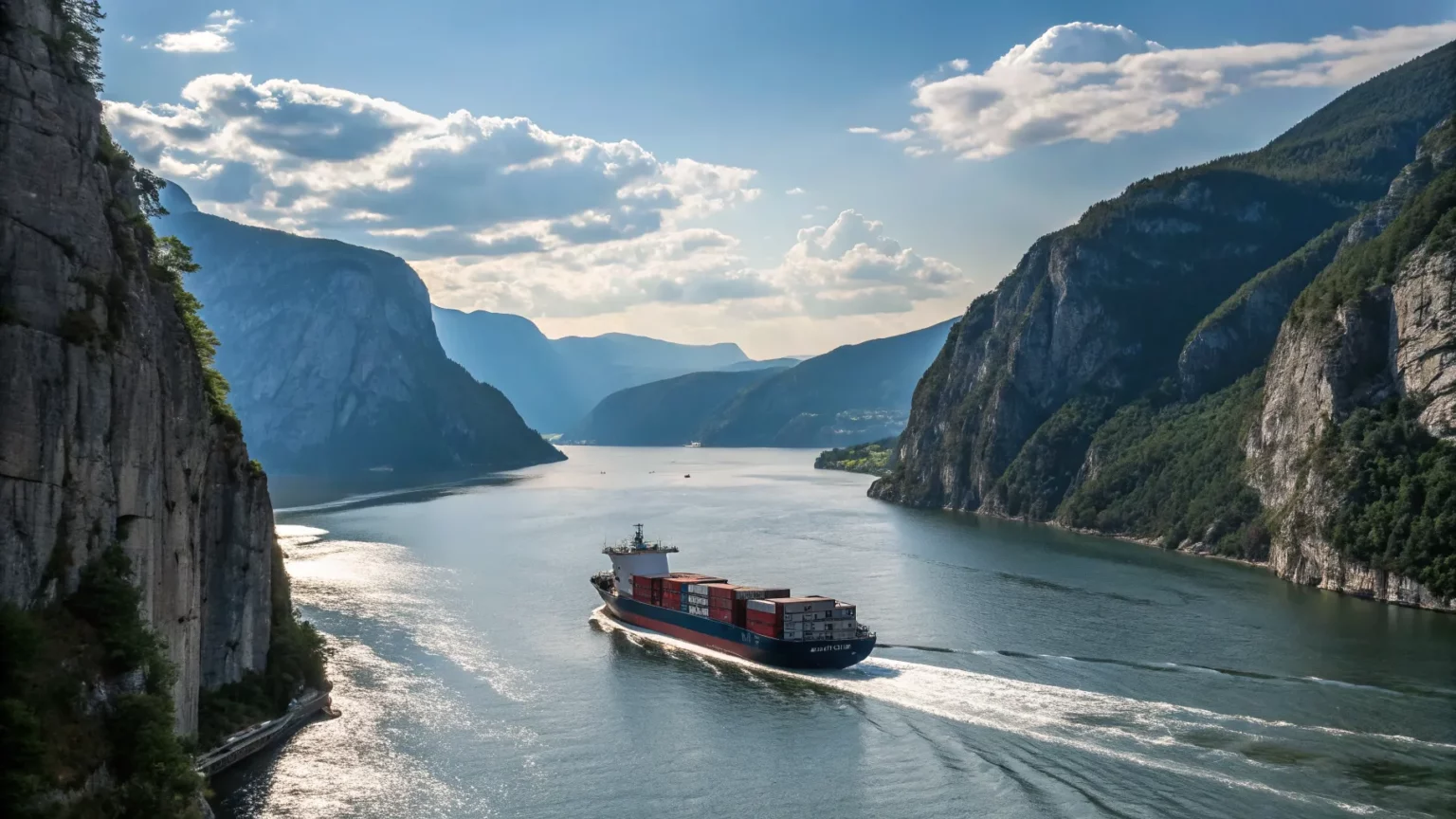
Energy planners are exploring new ways to reduce the risk of a single maritime chokepoint disrupting global trade, as governments and companies weigh stockpiles, pipelines, and backup routes. The push has gained urgency amid security tensions and weather-related delays that have highlighted how a narrow waterway can sway prices and supply chains worldwide.
At issue is the heavy reliance on a key passage for crude oil and gas shipments linking producers in the Gulf with consumers in Asia, Europe, and the United States. When tankers slow or stop, freight costs rise, delivery times slip, and factories and refineries scramble. The goal now is simple: build more slack into the system so that a short-term shock does not become a global crisis.
What Is at Stake
Maritime chokepoints concentrate a large share of the world’s energy flows. The Strait of Hormuz, for example, has carried roughly a fifth of global petroleum liquids in recent years, according to energy industry estimates. Any disruption—whether military, cyber, or accidental—can move prices within hours.
Past incidents offer a warning. Tanker attacks in 2019 rattled markets. A major canal blockage in 2021 stranded ships and cargo. Drought-driven slowdowns have also throttled traffic elsewhere. Each event showed how little spare capacity exists when one route falters.
Strategies on the Table
“Increased stockpiles, more pipelines and other tactics could loosen the waterway’s stranglehold on the global economy.”
Policy makers and executives are now prioritizing practical steps that add redundancy and speed recovery after a shock. The measures fall into three broad buckets:
- Stockpiles: Strategic reserves can bridge short gaps. Members of the International Energy Agency hold at least 90 days of net oil imports. China and India have built national reserves as well.
- Pipelines: Overland routes can reduce exposure to maritime risks. Existing lines from Saudi Arabia to the Red Sea and from the United Arab Emirates to the Gulf of Oman can move several million barrels per day when fully utilized.
- Routing and fleet changes: Diversifying ports, chartering more flexible ships, and rebalancing long-term contracts can spread risk and shorten recovery times.
How Much Can Pipelines Help?
Pipelines provide a direct bypass for high-risk waters, but they cannot replace ocean shipping on their own. Capacity is finite, and new lines take years to permit and build. Cross-border projects face political hurdles and security concerns along their routes.
Still, incremental gains matter. Filling unused pipeline capacity, expanding pumping stations, and adding storage tanks at terminals can lift throughput without entirely new trenches. These steps also shorten the restart window after a disruption, a key factor for refiners that operate on tight schedules.
Stockpiles as a Shock Absorber
Reserves work best for brief outages. They can offset supply gaps for weeks, not months, and must be replenished later, which can shift demand into the future. Coordinated releases in 2022 demonstrated that reserves can cool prices and buy time, but they are not a permanent fix.


Private inventory policies are changing too. Some refiners and traders are accepting higher carrying costs to keep extra crude or products on hand. That approach trades near-term expense for lower risk of forced run cuts or missed deliveries.
Market Impact and Industry Responses
More redundancy could soften price spikes triggered by headlines and shorten the tail of supply shocks. Freight and insurance costs might stabilize as underwriters reassess risk. However, the bill for resilience will show up in tariffs, storage fees, and capital spending.
Shipping firms are adjusting fleets, adding fuel-flexible vessels and spreading charter exposure across routes. Producers are negotiating contract terms that allow rerouting without steep penalties. Importers are diversifying suppliers to avoid dependence on a single corridor.
What to Watch Next
Several signposts will indicate whether dependence is easing:
- Utilization rates on existing bypass pipelines and plans for incremental expansions.
- Policy moves to build or refill strategic reserves, and rules for coordinated releases.
- Insurance pricing and war-risk premiums for ships using high-risk waters.
- New terminals and storage projects near alternative ports.
Efforts to add stockpiles, expand pipelines, and diversify routes will not erase chokepoint risk. But they can blunt its impact. The next test will likely come without warning. The systems now being built—more storage, spare capacity, and flexible logistics—will decide whether a local shock stays local or ripples across the global economy.