




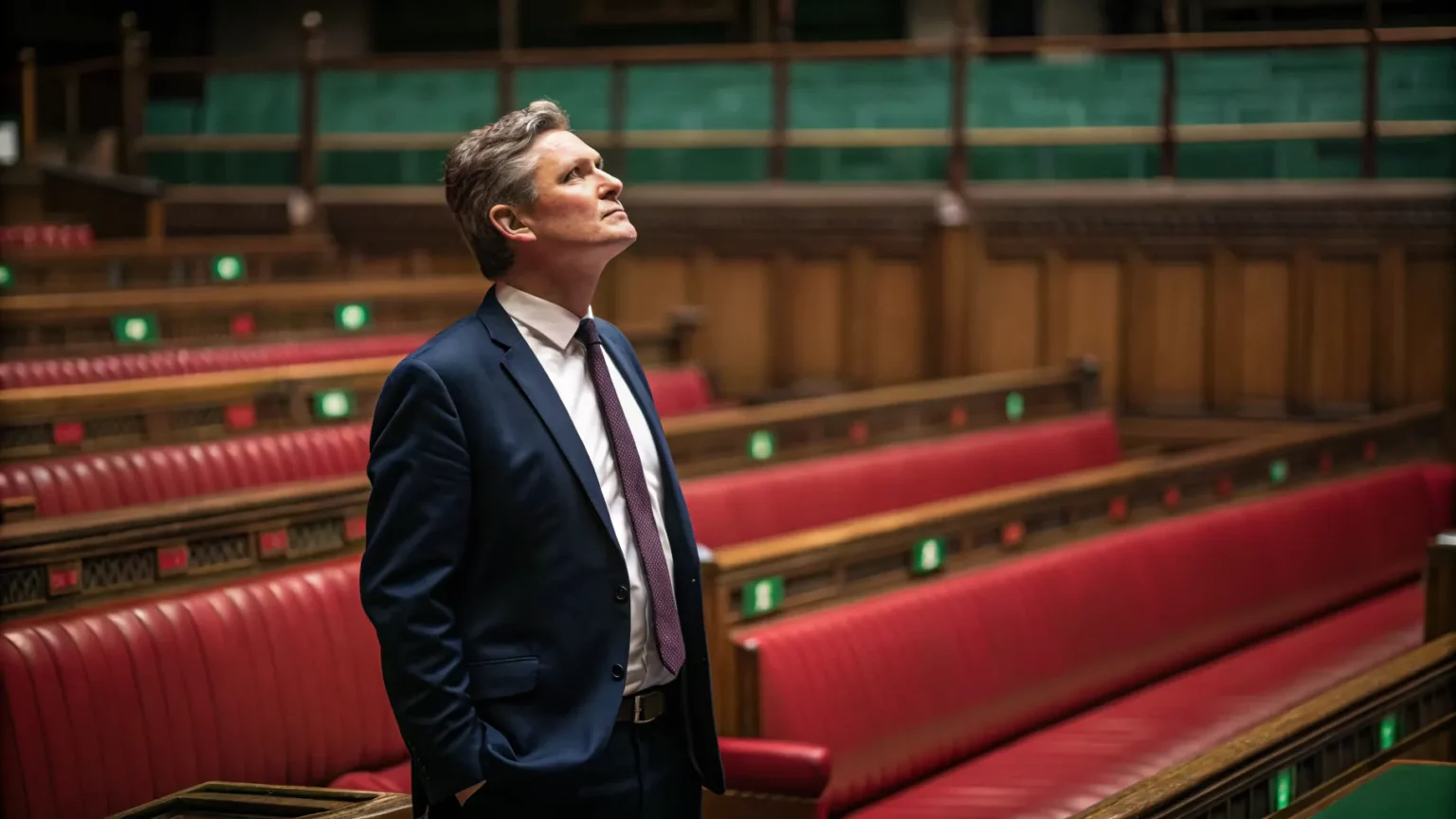
U.K. Prime Minister Keir Starmer is expected to outline a timetable for his resignation as soon as Monday, as pressure from within the Labour Party intensifies over the future of his leadership and the direction of government.
Party figures, according to reports from London, are urging a swift and orderly transition. The goal is to limit drift in policy and avoid a prolonged internal contest that could unsettle voters and markets. If he steps down, Starmer would become the sixth prime minister in a decade to announce a departure outside Downing Street, a stark measure of the country’s political churn.
“Expectation is building that U.K. Prime Minister Keir Starmer will set out a timetable for his resignation as soon as Monday, conceding to pressure from his Labour Party to hand over the reins of power.”
Why The Timing Matters
Timing can define the tone of a handover. A clear schedule for a resignation can calm party nerves, protect legislative priorities, and set ground rules for a leadership race. Without that, months of speculation can overwhelm policy work, drown out government messaging, and weaken authority in Parliament.
Insiders are concerned about stalled reforms and slipping voter confidence if uncertainty lingers. A prompt timeline, even if actual departure comes later, would offer clarity on when cabinet reshuffles and party ballots might occur. It would also help civil servants plan for continuity in areas such as public services, taxation, and international commitments.
A Decade Of Rapid Turnover
The U.K. has faced frequent changes at Number 10 over the past ten years. Repeated leadership exits have disrupted long-term planning and strained alliances across Whitehall, local government, and business groups. Each transition has brought a reset in tone and priorities, often midstream.
- Six prime ministers in roughly ten years would signal unusual volatility for a major parliamentary democracy.
- Short tenures make it difficult to deliver multi-year plans on growth, housing, and the National Health Service.
- International partners often watch for signs of durability before committing to joint projects or timelines.
For voters, the pace of turnover can create a sense of drift. It can also raise questions about how parties select and support leaders once in office. Party cohesion and clear policy mandates tend to weigh heavily on outcomes in the next election cycle.
Party Pressures And Possible Successors
Calls for a timetable reflect both strategic and practical pressures. Strategically, potential candidates want a fair contest with time to set out their plans on the economy, public services, and security. Practically, the government must keep passing budgets and major bills without losing momentum.
Senior Labour members will likely demand assurances on three fronts: an orderly leadership process, continuity in key portfolios during the transition, and a commitment to deliver near-term pledges that were central to the party’s mandate.



Opposition parties are also weighing their response. They may press for earlier votes on contested measures or seek to frame the transition as proof of government instability. The handling of the resignation timeline will shape those narratives.
Policy And Market Implications
Markets tend to react less to leadership changes than to uncertainty about policy. A firm timetable and a steady interim team can cushion shocks. The Treasury and the Bank of England will watch for signs that fiscal plans remain intact and that spending reviews proceed on schedule.
On public services, departments will try to lock in near-term targets that do not depend on political branding. That can include procurement milestones, staffing plans in health and education, and regulatory deadlines. Internationally, allies will look for continuity in defense and trade positions.
What To Watch Next
Attention is on whether Starmer names a date, how the party structures the leadership race, and which ministers remain in caretaker roles. The communication around these steps will matter as much as the steps themselves.
Key signals to monitor include:
- A precise schedule for nomination windows and voting rounds.
- Assurances on the next budget timetable and major bills.
- Any shift in core policy pledges during the transition period.
If Starmer confirms a path to resign, the immediate test will be controlling the narrative and maintaining delivery. A focused timetable, credible caretakers, and steady policy signals could limit disruption. The broader question is whether another leadership change restores public confidence or deepens fatigue with political turnover. The answer will shape not only the next party leader’s mandate but also the country’s capacity to plan and execute durable reforms.