


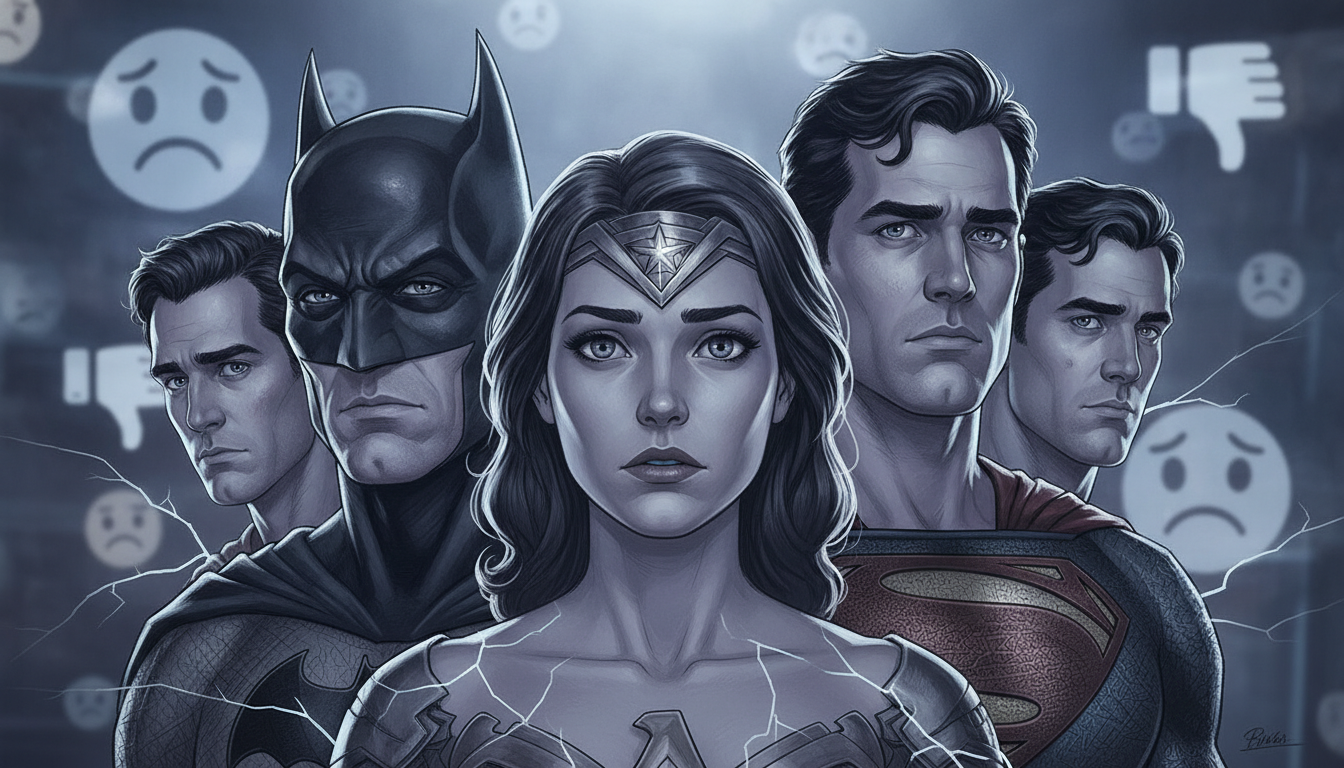
A major DC superhero release stumbled as poor reviews and online hostility converged, creating a difficult opening stretch for a film built to anchor a studio slate. The project arrived in theaters amid high expectations but ran into sour critical notices and a wave of combative fan chatter that shaped early audience sentiment and reduced momentum.
The clash played out across social platforms, forums, and comment sections in the days around release. Theater operators reported quieter-than-expected weeknight shows, while marketing analysts pointed to a sharp drop in positive social buzz. The industry is grappling with how to protect tentpole titles when negative signals spread faster than a studio can respond.
Reviews Meet a Volatile Online Climate
Even for comic book brands with loyal followers, early reviews can guide undecided viewers. In this case, that guidance turned rough. Some critics questioned the film’s story clarity and tone, while others praised isolated performances but found the overall package uneven. Those mixed signals landed in a digital environment primed for quick judgment and pile-ons.
“The DC tentpole movie was up against poor reviews and toxic fanboy culture.”
That line, shared during a recent discussion about the movie’s rollout, captured what studio marketers and exhibitors described behind the scenes: a feedback loop of harsh takes and tribal fights that shape perceptions long before word-of-mouth can settle.
How Online Fandom Shapes Box Office
Studios have long relied on opening-weekend strength for superhero titles. But social media has shifted the balance. Early reactions now influence presales, Thursday previews, and weekend multipliers within hours. A flood of hostile posts can drown out moderate praise and make the film feel stale by Saturday, even if crowds inside the theater respond better than timelines suggest.
Several patterns stand out to marketers and theater owners:
- Coordinated “review-bombing” can skew audience scores on aggregator sites.
- Algorithmic feeds elevate conflict-heavy posts, spreading extreme takes.
- Harassment drives creators and actors offline, cutting off authentic promotion.
Supporters of aggressive fan scrutiny argue that pointed criticism keeps studios honest. They say the issue is not toxicity but quality. Others counter that personal attacks and bad-faith campaigns blur the line between fair critique and targeted harm, hurting workers across the production.
DC’s Ongoing Reset and Audience Fatigue
DC projects have been navigating a transition as leadership charts a long-term plan for its heroes and timelines. That shift brings opportunity, but also risk. Franchises rely on consistent tone and trust. When continuity is in flux, some fans wait for reviews before buying tickets, making early buzz more fragile.



Analysts also point to signs of superhero fatigue across the market. The novelty that once guaranteed strong walk-up sales has faded. More viewers now treat each film as a separate bet rather than a must-see chapter. In that climate, a wave of poor reviews hurts more, and hostile online chatter sticks longer.
What Studios and Exhibitors Can Do
Marketers are testing new playbooks to steady openings when digital headwinds rise. Strategies include shorter marketing windows to compress the judgment cycle, early community screenings to seed constructive discussion, and expanded creator Q&As to explain story choices without spoilers.
Some platforms have introduced safeguards against mass downvoting and harassment. Those measures help, but they cannot prevent sharp criticism or heated debate. Exhibitors, meanwhile, are emphasizing premium large formats and fan events to turn screenings into social experiences that are harder to replace with at-home streaming.
The Path Forward for Big-Cost Films
For tentpole budgets to make sense, studios need reliable global interest. That means aligning quality control, audience expectations, and online dynamics. Clear messaging about the story’s stakes, cast strengths, and tone can set a fair bar. Early critic screenings paired with community outreach can build a broader middle ground between hype and hostility.
There are encouraging signs. When films deliver a tight script, strong performances, and clean marketing, they still pull audiences. The challenge is protecting that chance while addressing good-faith criticism and filtering out toxic noise.
The latest DC release shows how fragile openings have become when reviews and online culture move in the same direction. The takeaway is plain: quality matters, but so does the environment in which a film is judged. Watch for studios to refine rollouts, press strategies, and fan engagement heading into the next wave of superhero titles. The winner will be the project that pairs a confident story with a calmer conversation.