




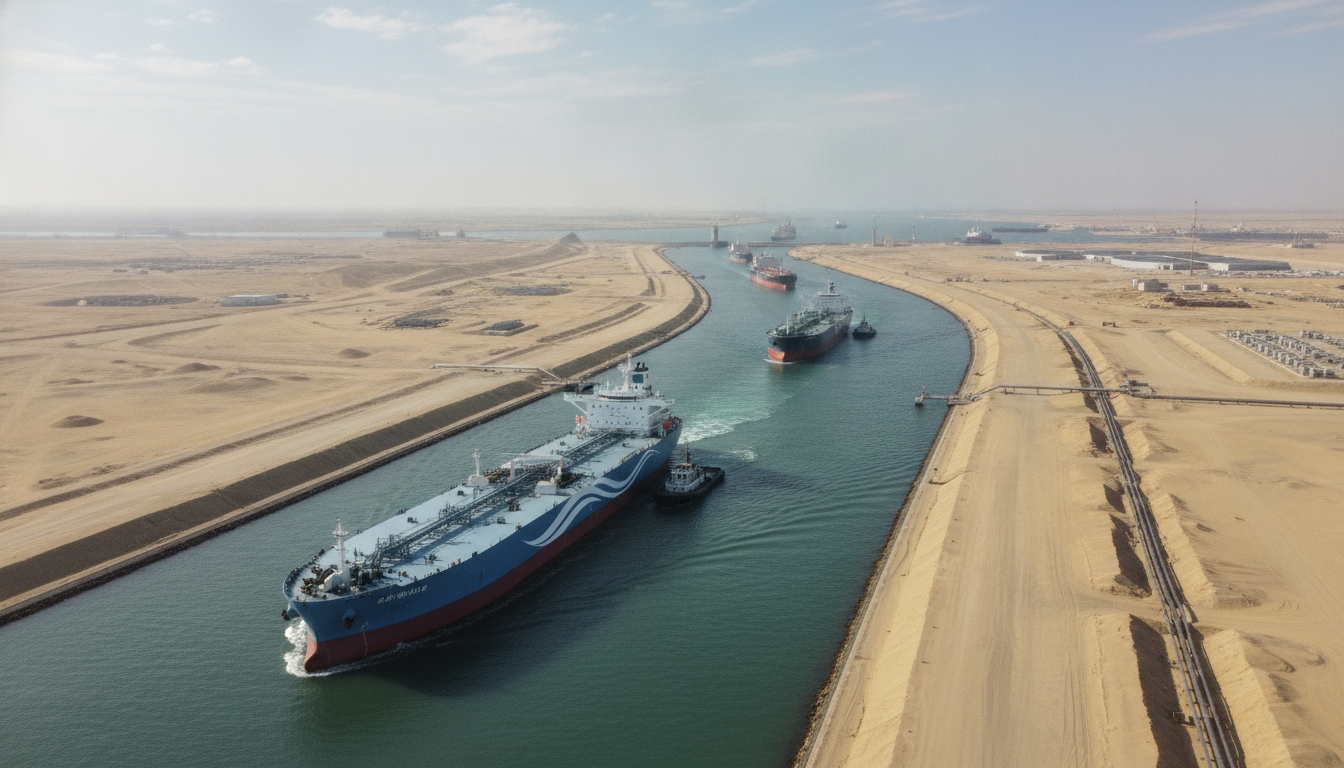
Gulf crude exporters are reworking how they ship oil as vessel delays and security risks highlight the fragility of a single chokepoint. Producers are testing alternative routes to keep barrels flowing while disruptions expose the cost of relying on the Strait of Hormuz. The shift is underway now across the region, reflecting urgent attempts to protect revenue and reassure buyers.
The Strait of Hormuz links key Gulf loading terminals to world markets. It is narrow and busy, and it has been a flashpoint for years. Tanker traffic can slow when regional tensions rise or when ships face higher insurance costs. Producers in the Gulf have long planned for such moments, but the latest shipping snags are pushing those contingency plans into action.
“Gulf producers are increasingly relying on alternative routes to keep crude moving as shipping disruptions expose the risks of depending on the Strait of Hormuz.”
Why Producers Are Diversifying Routes
Security incidents, diplomatic strains, and shifting patrol patterns can strain tanker schedules. Shippers respond by adjusting courses, adding escorts, or delaying departures. Each step adds cost and uncertainty. Producers want options that keep exports steady even when a chokepoint is stressed.
There is also a financial driver. When risks rise, war risk premiums and freight rates can climb. Longer voyages consume more fuel and tie up vessels, which limits supply in the tanker market. Buyers press for reliability, and sellers look for steady offtake. Diversification serves both sides.
How Oil Is Moving Without the Strait
Producers are leaning on a mix of overland and maritime workarounds. The details vary by country and company, but the playbook is familiar.
- Routing crude through pipelines to ports that sit outside the chokepoint.
- Expanding use of storage hubs that can blend, buffer, and redirect flows.
- Scheduling ship-to-ship transfers to reposition cargoes efficiently.
- Chartering different vessel classes to match draft limits and port options.
Pipeline capacity to non-Gulf-facing coasts offers a direct bypass of the strait. Storage hubs give operators time to manage weather, insurance, or convoy timing. Transfers at sea can align cargoes with available ships and free up tankers for new liftings.
Market Impact and Buyer Response
Refiners prize predictable delivery windows. Changes to routes can stretch voyage times and alter arrival patterns. That affects refinery runs and inventory planning. Some buyers may increase safety stocks to cushion surprises.
Freight markets react quickly to re-routing. If more ships take longer paths, effective capacity tightens. Charter rates can rise. Insurers adjust pricing as perceived risk moves higher or lower. Traders watch these shifts to time purchases and hedge exposure.



There is also an emissions angle. Longer voyages and complex logistics can add to shipping emissions. Some cargo owners look for efficiency gains in vessel choice, speed, and load planning to offset that impact.
Balancing Security With Cost
Energy security often means paying for redundancy. Building extra capacity in pipelines and storage costs money, but it reduces the chance of missed deliveries. Producers weigh these costs against the potential losses from shut-ins or defaulted contracts.
Industry analysts say the goal is not to abandon the strait, but to avoid single-point failure. Options can be activated when risks spike, then scaled back when conditions calm. This flexible posture helps stabilize export flows and market sentiment.
What to Watch Next
Several signals will show whether the shift endures. Insurance pricing and tanker rates will indicate how markets view risk. Utilization of bypass routes and storage hubs will reflect producer confidence. Buyer inventories will hint at how nervous refiners remain.
Policy developments also matter. Regional security arrangements, naval coordination, and diplomatic talks can ease or worsen shipping conditions. Infrastructure investments will reveal long-term planning, especially if countries add capacity to ports that do not rely on the strait.
For now, Gulf exporters are keeping oil on the move with backup routes and flexible logistics. The strategy aims to protect earnings and maintain trust with customers. The next test will come with the region’s next bout of tension, when the value of diverse and resilient routes will be measured in days saved and cargoes delivered.