




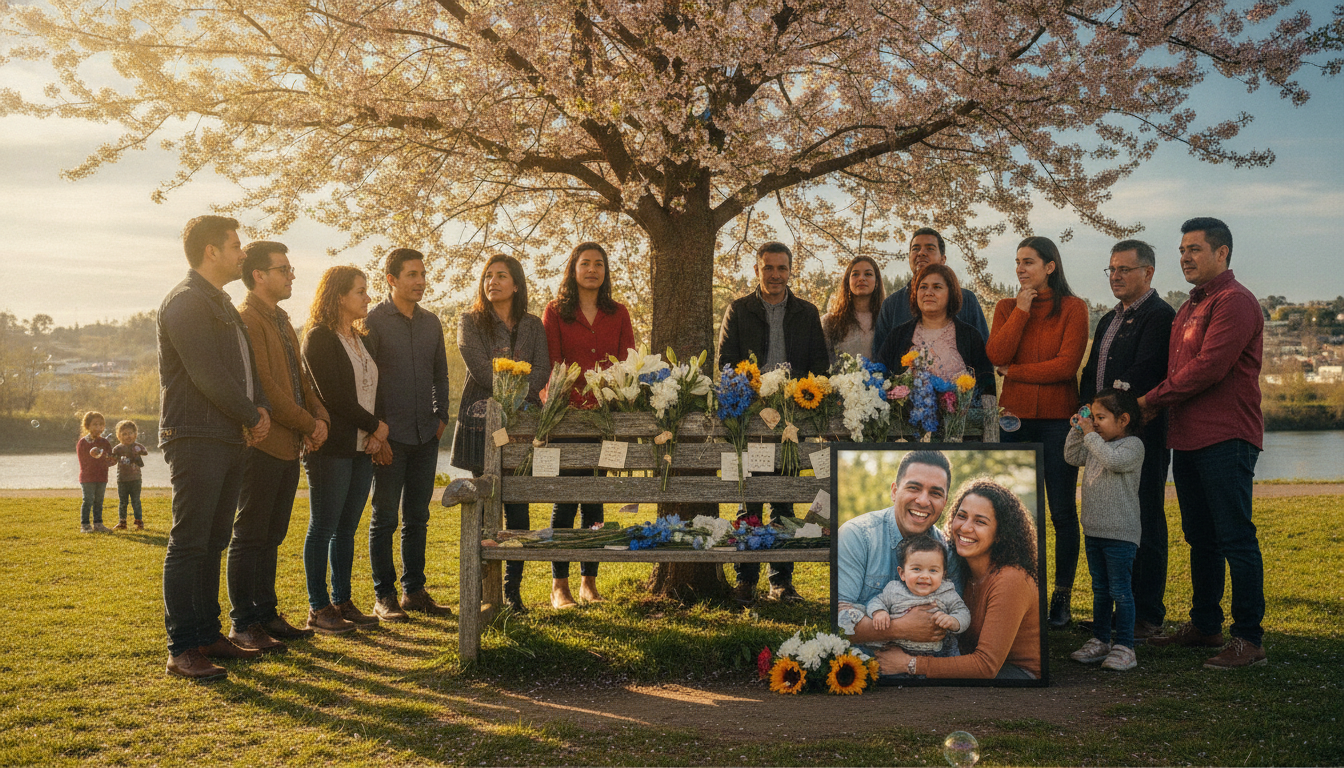
Friends and relatives described Johan Sebastián Durán Guerrero as a devoted family man with plans still ahead of him. The brief remembrance painted a picture of a person driven by hope and connection. The words offer a window into how loved ones hold on to identity and promise when a life ends, and why public tributes shape how communities grieve.
Public remembrances often begin with a simple phrase that carries the weight of a full life. In this case, it was a line that spoke to duty at home and goals left on the horizon. The tribute captures grief and pride in one thought, and frames a story of family ties and unfinished dreams.
A Life Remembered in a Single Line
He was remembered as a devoted family man “with many dreams to fulfill.”
The description centers on care for loved ones. It also points to ambition and plans that remained. In grief, such language both honors what was and names what could have been.
Remembrance often relies on values instead of resumes. Words like devoted, dreamer, and family carry meaning across cultures. They help mourners recall daily acts of care, long-term goals, and the promise that guided them.
Why These Words Matter
Short tributes can be more than a farewell. They set a tone for how communities talk about loss, and how they support those left behind. By naming family first, the message directs attention to those most affected.
Grief counselors note that clear and compassionate language aids healing. It validates bonds, recognizes plans interrupted, and gives mourners a way to speak about the person without reliving painful details.
- Affirming family roles can reduce feelings of isolation.
- Highlighting goals preserves a sense of purpose linked to the person’s memory.
- Simple language helps children and elders process loss together.
Community Rituals and Support
When a tribute stresses family and dreams, it invites action from the wider circle. Friends can share stories that reflect care. Colleagues can talk about projects and hopes. Communities can organize support for dependents and honor ambitions through scholarships or memorial initiatives.
Social researchers have shown that shared rituals, from memorial walks to online pages, help people maintain connections with the deceased while moving forward. They also give structure to giving practical help, like meals, childcare, and financial aid.



Keeping Dreams Alive
Many families choose to continue a loved one’s plans in small, steady ways. That might mean finishing a class, planting a garden, or backing a cause. The idea is to turn the phrase many dreams to fulfill into steps that reflect the person’s values.
Such acts are not a replacement for grief. They are a way to carry meaning into the future. They also provide a shared project that keeps family and friends linked during the hardest months after a loss.
Speaking With Care
The language of tributes shifts how people outside the family respond. A focus on devotion invites empathy rather than rumor. A mention of dreams signals that complexity and hope marked the person’s life. Both choices help set a respectful public frame.
Faith leaders and counselors encourage communities to mirror the family’s words. Using the same phrases in cards, posts, and speeches can reduce hurt and prevent mixed messages.
When the heart of a remembrance is family and ambition, support often follows in kind: presence, patience, and concrete help for daily needs and long-term goals.
The line shared about Johan Sebastián Durán Guerrero offers a guide. It asks others to honor his care for loved ones and to see the promise he held. In the days ahead, those themes can shape how people remember him, support his family, and give life to the plans he did not get to finish.
As tributes continue, watch for efforts that carry his values forward. Small deeds, steady support, and a shared language of care can protect his memory and help a community heal.