

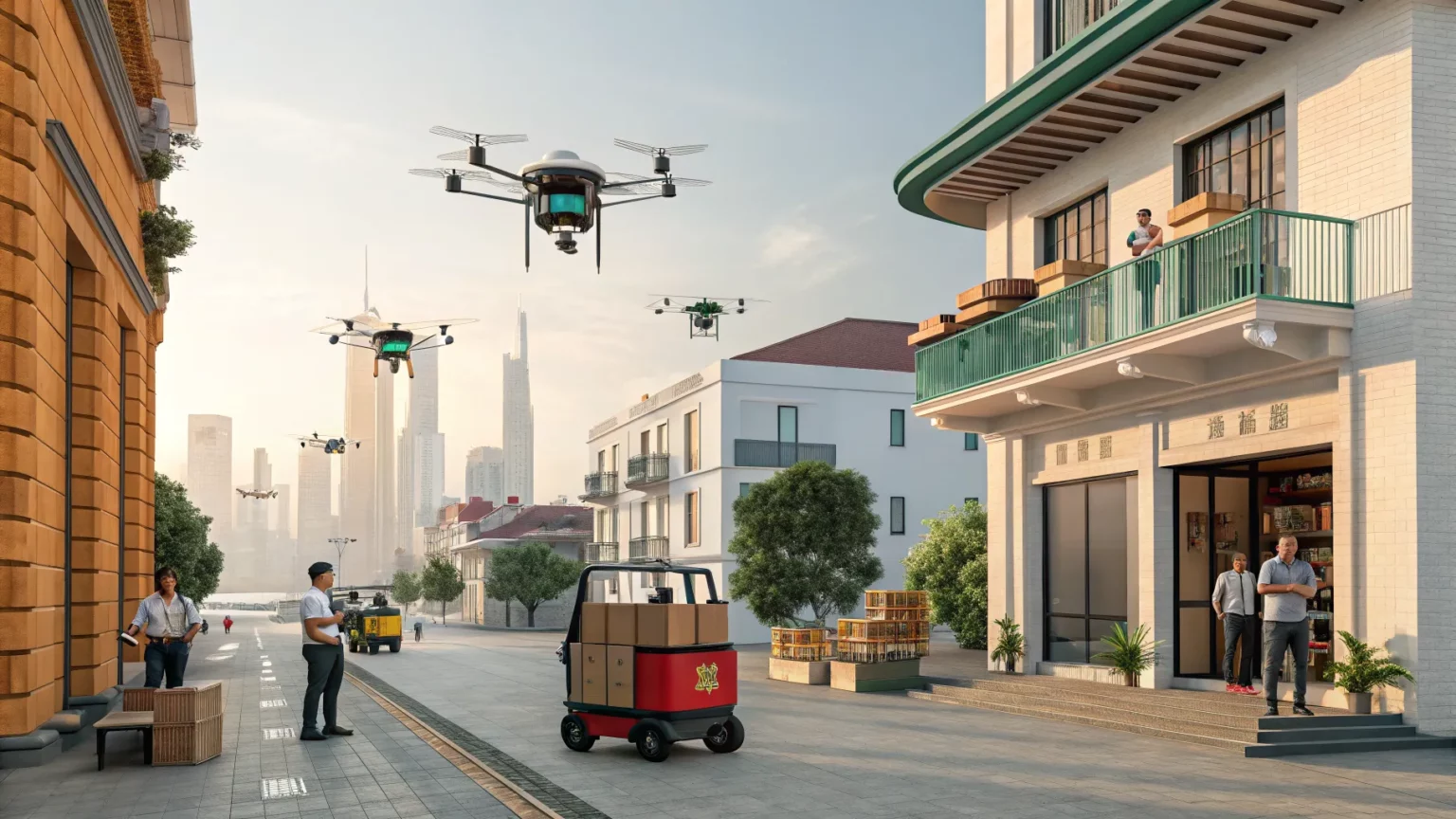
Autonomous robots and drones could slash the price of getting dinner to the door, according to new analysis from Barclays. The bank said on Wednesday that automated delivery could bring per-order costs down to about $1, a shift that could add billions of dollars in profit for delivery platforms worldwide. The forecast lands as apps, restaurants, and regulators weigh how to make last-mile delivery cheaper, safer, and more reliable.
The global food delivery business has grown quickly, but profits remain thin. The last leg from kitchen to customer is often the most expensive step. Companies have tested small sidewalk robots and short-range drones to cut labor and fuel costs. Barclays’ estimate puts a number on how far costs might fall if those trials scale up.
“Autonomous food delivery robots and drones could cut costs by several dollars to as low as $1 per order, a shift that could unlock billions of dollars in profits for the global food delivery industry,” Barclays said.
Why the Last Mile Matters
Delivery apps spend heavily on paying couriers, handling support, and covering insurance. Traffic, parking, and short trips add to the bill. Even small gains in route planning or batching can help, but automation promises a larger cut.
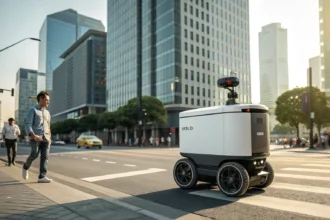
Sidewalk robots can carry one or two orders at walking speed on set routes. Drones can jump road traffic on short flights and reach homes in minutes. Both reduce labor for simple, repeatable runs, especially in dense areas or controlled campuses.
What Cheaper Delivery Could Change
If per-order costs approach $1, platforms could reduce fees, attract more orders, or hold prices steady and keep the difference. Restaurants might see lower commission costs if savings are shared. Consumers could order small items more often, like a single drink or dessert, if delivery gets cheaper and faster.
Lower costs could also reshape timing. Late-night and off-peak delivery, which often runs at a loss, might become viable. Suburbs and smaller towns, where distances are longer, could benefit if drones handle the spread without adding driver time.
- Customers may see lower fees or faster drop-offs.
- Restaurants could get steadier demand with fewer cancellations.
- Platforms might shift spending from promotions to automation.
Hurdles That Could Slow the Rollout
Automation is not free. Companies must buy or lease fleets, maintain hardware, and build charging and repair hubs. Unit costs fall with scale, but early pilots can be pricey. Sidewalk robots need clear routes, curb cuts, and sensors that work in rain and snow. Drones face weather, weight limits, and strict rules about flying over people.
Regulation remains a key factor. City permits set where and when robots can use sidewalks. National aviation rules limit drone flights and often require human oversight. Public comfort also matters. Residents have raised concerns about sidewalk access, noise, and safety around pets and children.

Labor, Safety, and Equity Questions
Any sharp cut in human-delivery hours could affect gig workers who rely on flexible shifts. Advocates say companies should publish data on hours replaced and offer training for support roles in maintenance, mapping, and dispatch. Safety groups want clear logs of incidents and rules for yielding to pedestrians and wheelchairs.
Access is another concern. Automation should not skip walk-ups, high-rises, or areas without smooth sidewalks. If savings only show up in select neighborhoods, the benefits will be uneven. Cities may seek service obligations in permits to avoid gaps.
Industry Outlook and What to Watch
Barclays’ $1 target sets a bold marker for the next stage of delivery. The path to that number will depend on a mix of hardware reliability, routing software, and scale. Campus settings, business parks, and new housing developments with wide sidewalks are likely early winners. Heavier meals, long distances, or buildings without easy drop-off points may need hybrid models with humans handling the final steps.
Analysts expect staged rollouts, starting with daytime hours and fair weather. As sensors improve and rules adapt, night runs and more routes could open. Insurance costs and clear liability rules will shape how fast fleets grow.
For now, the takeaway is clear: if automation trims several dollars from every trip, the unit economics of food delivery change. That could ease pressure on fees, stabilize restaurant partnerships, and give platforms room to invest. The next year will show whether pilot programs can scale, regulators can craft workable rules, and public trust can keep pace with the machines at the curb and in the air.