




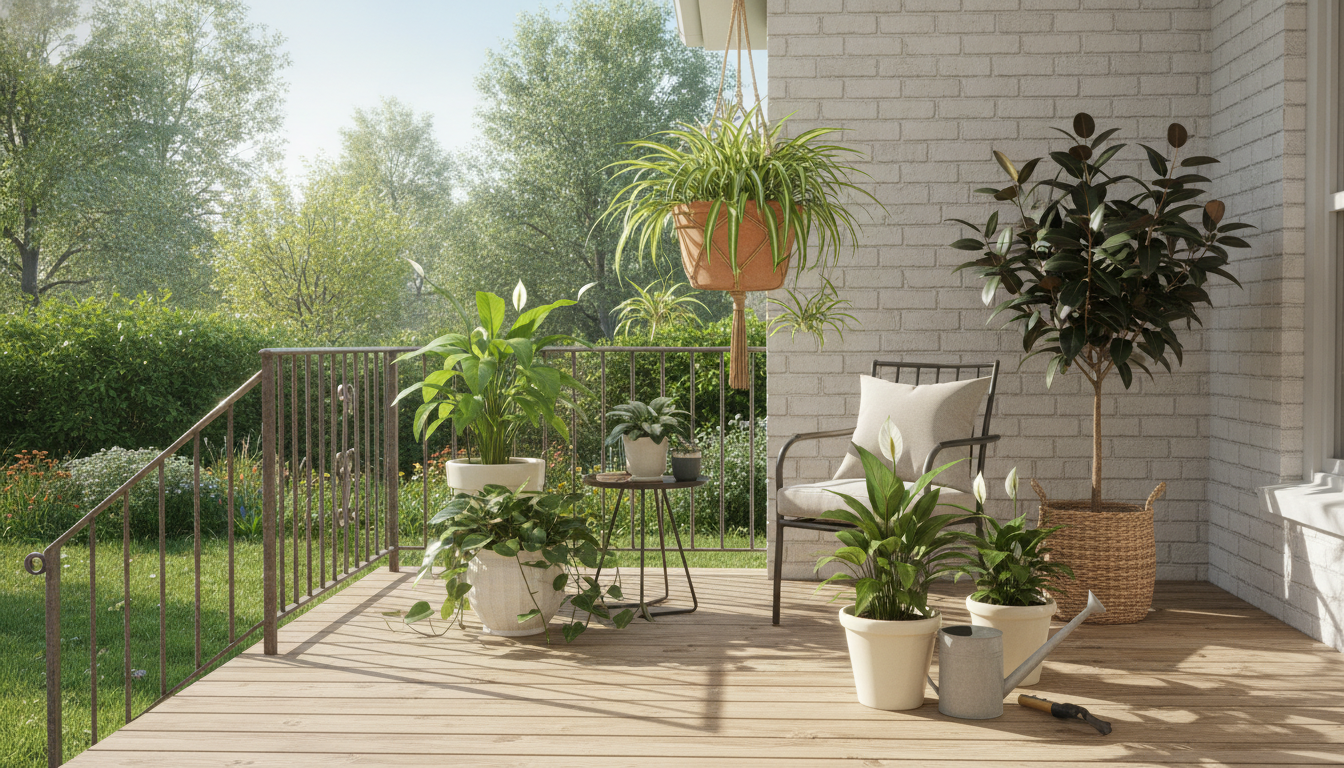
As spring warmth settles in, a wave of leafy residents is stepping outside. Home growers are moving spider plants, pothos, rubber trees, and peace lilies to porches and patios, seeking stronger growth through natural light and fresh air. The movement is showing up from city balconies to suburban decks, and it is changing how people care for their plants this season.
The idea sounds simple. It is also more than a style choice. Many indoor plants can put on faster growth and deeper color when given outdoor conditions that mimic their native tropics.
The moment warm weather settles in, a quiet migration begins.
Spider plants, pothos, rubber trees, peace lilies, and dozens of other favorite houseplants leave windowsills and living rooms for porches, patios, balconies, and shady garden corners.
Why Growers Are Moving Plants Outside
Houseplants get brighter, more even light outside than through a window. Humidity rises with warmer nights, which helps prevent crispy leaves. Gentle breezes can toughen stems and improve air flow, which lowers the chance of fungal problems indoors.
Gardeners also report a growth spurt once days lengthen. Longer daylight boosts photosynthesis. That means more energy for leaves, roots, and blooms.
That seasonal move may seem like a gardening trend, but it actually gives many indoor plants a chance to…
The unfinished thought mirrors how many growers feel. The benefits are real, but only if plants are eased into the change.
The Catch: Sun, Wind, and Pests
Direct sun can scorch foliage within hours, especially for shade lovers like peace lilies. Sudden wind can topple top-heavy pots. Outdoor pests like aphids and spider mites can hitch a ride back indoors if not controlled.
Horticulture educators suggest a slow approach often called hardening off. Start in bright shade. Add small doses of morning sun over one to two weeks. Avoid hot afternoon rays for most tropical houseplants. Watch night temperatures, and wait until nights hold above the mid 50s Fahrenheit before moving plants out for good.
- Place plants in bright shade for the first week.
- Increase morning sun in 30 to 60 minute steps.
- Keep soil slightly moist, not soggy, as wind speeds drying.
- Rinse leaves to remove dust and check for pests weekly.
- Quarantine any infested plant before it returns indoors.
Growth Gains and Watering Shifts
Outdoors, pots dry faster, so schedules need a reset. Many growers water every few days in warm spells, then cut back when it cools. A finger test in the top inch of soil is a safer guide than a calendar. Fertilizer needs can rise with faster growth, but light feedings every few weeks are safer than heavy doses that burn roots.



Some plants handle brighter conditions better than others. Pothos and philodendron tend to adapt well to dappled light. Rubber trees appreciate early sun but need shelter from strong afternoon heat. Peace lilies prefer consistent shade and even moisture.
Community Buzz and Retail Shifts
Plant swap groups and garden clubs are sharing cautionary tales about sunburned leaves and wind damage, along with photos of lush summer growth. Independent garden centers report interest in outdoor plant stands, shade cloth, and insecticidal soaps as owners retool their setups for summer conditions.
While hard numbers are scarce, social feeds and neighborhood chats show a steady rise in outdoor plant care tips each spring. The seasonal routine has become part of how many households manage their living decor.
What To Watch As Summer Builds
Weather swings pose the biggest risk. A surprise cold snap can stall growth or kill tender plants. Heat waves may force pots into deeper shade and increase watering needs. Storms can shred soft leaves, so moving plants under eaves before rough weather helps.
Experts also urge a careful return indoors in fall. A pre-move pest check, a leaf rinse, and a gradual cut in light help plants adjust without dropping foliage. That end-of-season plan makes next spring’s migration smoother.
For now, the message is simple. Gentle light, steady moisture, and patience turn outdoor time into a growth season rather than a gamble. The trend is likely to expand as more growers trade couch-side corners for breezy shade. The payoff shows up in fuller vines, glossier leaves, and a living room that looks a little more like a garden when plants come back inside.