




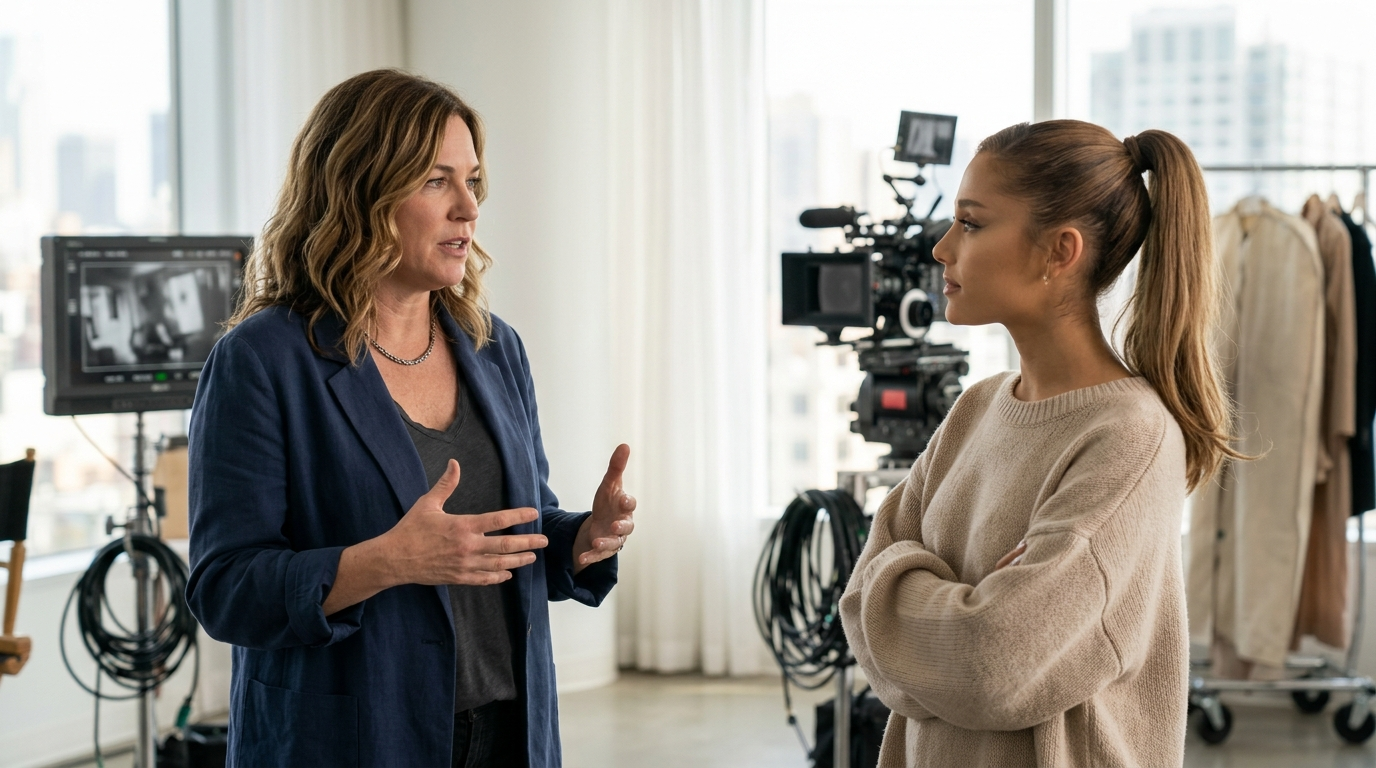
Marti Noxon is pressing Hollywood to confront its role in diet culture after drawing on her own eating disorder battles for “To the Bone” and “Dietland.” Her concern also extends to Ariana Grande, whose appearance has fueled public discussion and raised questions about how entertainers respond.
Noxon’s comments place a personal health issue inside a larger cultural debate. Films, television shows, celebrity coverage, and social media can shape how audiences judge bodies. That influence carries added weight for young viewers.
“Hers is a case so undeniable. What’s our responsibility as entertainers?”
The question is sharp because it turns attention away from one celebrity’s body. Instead, it asks what producers, writers, performers, and media outlets owe their audiences.
Personal Experience Shaped the Work
Noxon has addressed eating disorders through storytelling informed by her own experience. “To the Bone” follows a young woman receiving treatment for anorexia. “Dietland,” meanwhile, examines body image, beauty rules, and the commercial forces built around women’s insecurity.
Those projects take different routes. One centers treatment and illness. The other uses dark humor and satire to challenge a culture obsessed with weight loss.
Together, they show how eating disorders cannot be separated from the messages surrounding food, beauty, and social approval. They also show the difficulty of portraying such illnesses without making harmful behavior look desirable.
Ariana Grande Case Raises Wider Questions
Noxon described Grande’s situation as “undeniable,” but the brief remark does not identify a diagnosis. That distinction matters. A person’s health cannot be determined from photographs, videos, or online comments.
Grande has faced intense scrutiny over changes in her appearance. Yet public speculation can reproduce the same body policing that critics seek to stop. Concern may sound compassionate while still treating a person’s body as public property.


A responsible response must balance several concerns:
- Avoid diagnosing someone based on appearance.
- Do not praise extreme thinness as an ideal.
- Limit images or details that may trigger vulnerable audiences.
- Offer accurate health context and recovery resources.
This approach leaves room for serious reporting without turning concern into gossip. It also recognizes that people with eating disorders do not share one body type.
Hollywood’s Duty Is Still Contested
Entertainment can help viewers feel seen, but depictions of eating disorders carry risks. Detailed scenes involving weight, food restriction, or harmful routines may affect people already struggling. On the other hand, silence can deepen shame and isolation.
Noxon’s work reflects that tension. Personal experience can give a story emotional honesty. It does not settle every question about how audiences will receive it.
Creators can reduce harm through careful framing, consultation with health specialists, and clear support information. News organizations also have a role. Headlines that invite readers to inspect a celebrity’s body may generate clicks, but they rarely generate understanding.
Noxon’s challenge is less about finding the perfect way to discuss Grande than changing the habits around that discussion. Entertainers can question beauty standards without assigning a medical label. Reporters can cover visible cultural pressures without presenting speculation as fact.
The next step will depend on whether Hollywood treats responsibility as part of production, not as cleanup after controversy. Noxon’s own stories suggest that candor has value. Her question adds an equally important warning: telling the truth about diet culture should not come at another person’s expense.