



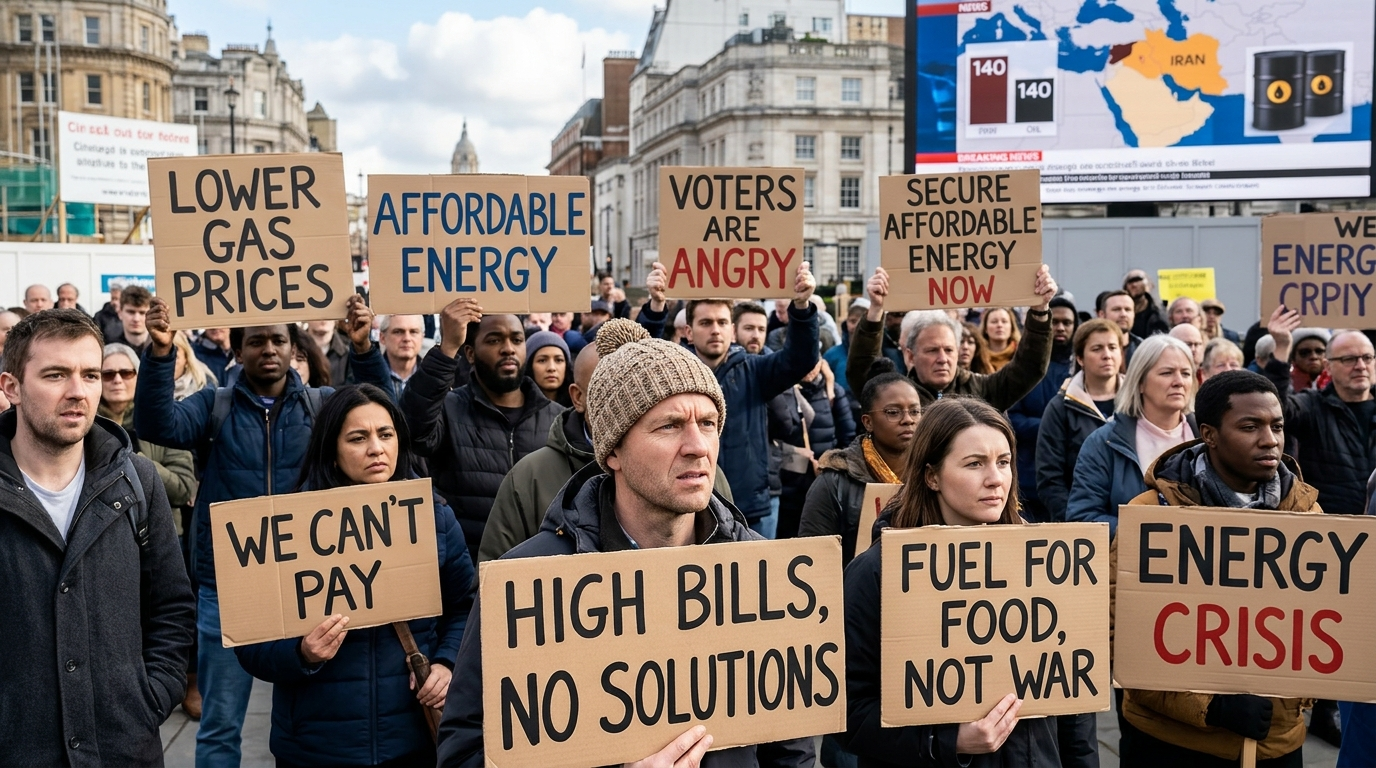
War in Iran and a renewed push for fossil fuels have driven up gas and electricity prices, adding to voter frustration over household costs. Attacks on renewable energy have also shaped the debate, as political leaders face pressure to explain how they will secure affordable supplies.
The price increases link foreign conflict with domestic energy policy. They also show why energy costs can become a major political risk. Families see the effects at fuel pumps and in monthly utility bills, often with little ability to reduce essential use.
Conflict Adds Pressure to Energy Markets
Iran holds an important place in global oil markets and near major shipping routes. A war involving the country can raise fears of supply losses or transport disruptions. Traders may respond to that risk before any physical shortage occurs.
Higher crude oil prices can pass through to gasoline and other fuels. The timing and size of that effect depend on refining costs, inventories, taxes, and regional supply conditions.
The central assessment connects the conflict directly to public concern:
“The war in Iran, efforts to promote fossil fuels and attacks on renewable energy contributed to higher prices for gas and electricity that drove voter discontent.”
That conclusion points to several forces acting at once. War can create an immediate price shock. Policy choices can affect how long households remain exposed to unstable fuel markets.
Fossil Fuel Policies Face Scrutiny
Supporters of expanded oil and gas production often argue that greater supply can lower prices and improve energy security. They may also point to jobs, tax income, and the need for dependable electricity.
However, new production can take years to reach consumers. Short-term price relief is not guaranteed, especially when oil and gas are sold through markets influenced by global demand.

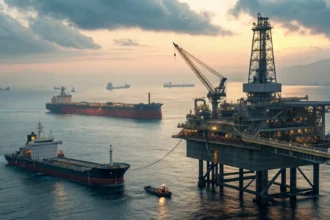

Critics also question whether promoting fossil fuels leaves consumers vulnerable to repeated price swings. Their concern is that dependence on traded fuels can transmit distant wars and supply disputes into household budgets.
The debate centers on three practical questions:
- How quickly can new energy supplies reach consumers?
- Who bears the cost of market disruptions?
- Which policies reduce long-term exposure to volatile fuels?
Renewable Energy Becomes a Political Target
Political attacks on renewable energy add another layer to the dispute. Opponents may cite construction costs, land use, reliability, or the expense of upgrading power grids.
Renewable energy supporters argue that wind and solar power do not require ongoing fuel purchases. Once built, those projects may reduce exposure to changes in oil and gas prices. Storage, transmission, and backup generation still carry costs.
The result is not a simple choice between fossil fuels and renewable sources. Electricity systems require dependable supply, adequate networks, and plans for periods of peak demand. Poorly managed changes can increase costs, regardless of the technology involved.
Household Bills Shape Voting Decisions
Energy inflation is politically sensitive because it is visible and frequent. Motorists encounter fuel prices during each visit to a station. Utility bills can consume a larger share of income during hot or cold weather.
Lower-income households usually face greater strain because essential energy use takes up more of their budgets. Small businesses can also pass higher transport and electricity costs to customers, spreading the pressure through the economy.
Voter anger therefore reflects more than disagreement over energy sources. It can signal declining confidence in leaders’ ability to manage security, affordability, and the transition to cleaner power.
The next political test will be whether officials can offer policies that address immediate bills without deepening future risks. Voters are likely to judge plans by measurable results: stable supplies, lower costs, and fewer shocks tied to conflicts abroad.