


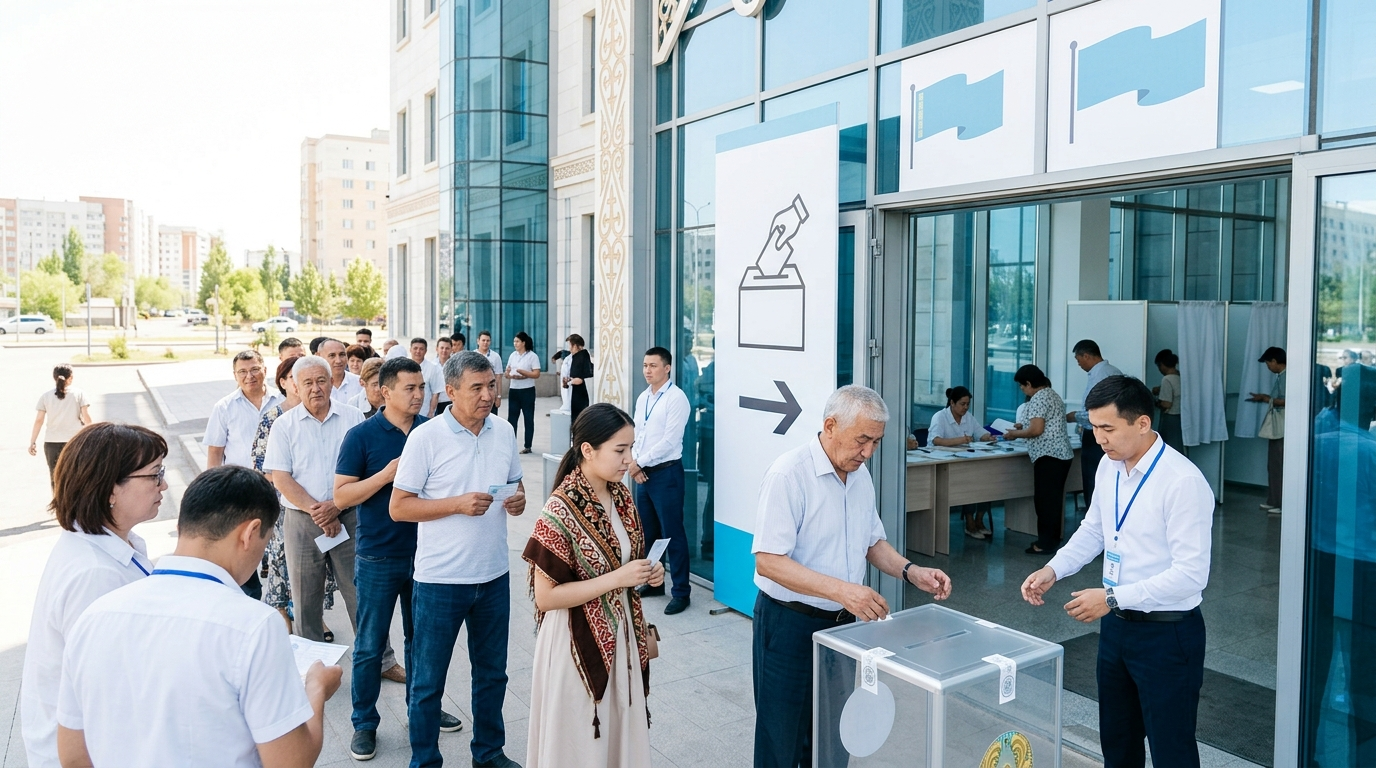
Kazakhstan is preparing to elect a new single-chamber parliament as President Kassym-Jomart Tokayev presses ahead with a major political restructuring. The move could reshape national lawmaking and affect how long Tokayev remains in power.
The planned election carries added weight because Kazakhstan is Central Asia’s largest energy producer. Political stability in the country matters to citizens, foreign investors, and governments seeking reliable oil and mineral supplies.
Political Shake-Up Enters New Stage
Replacing the existing parliamentary structure with one chamber would change how legislation is reviewed and approved. A single chamber may make the process faster, but it can also reduce the number of institutional checks on proposed laws.
The election forms part of Tokayev’s wider political shake-up. However, key details remain unclear, including the voting date, electoral rules, and powers of the planned parliament.
The reform also leaves open the prospect that Tokayev could extend his rule. Any such outcome would depend on the final legal framework, including possible constitutional or election-law changes.
Supporters of political restructuring may argue that a simpler parliament could clarify responsibility and make elected lawmakers more accountable. Critics may question whether the changes will increase competition or further concentrate authority around the presidency.
A Record of Managed Reform
Tokayev became president in 2019 after the resignation of Nursultan Nazarbayev, who had led Kazakhstan for nearly three decades. Tokayev later moved to reduce Nazarbayev’s formal influence and presented his agenda as a break from the former political order.
Kazakhstan has introduced political changes under Tokayev, including constitutional revisions and adjustments to state institutions. Yet the country’s presidential system remains powerful, while opposition groups have often faced limits on organization and public activity.


The new parliamentary model will therefore be judged by several practical measures:
- Whether opposition parties can register and campaign freely
- Whether candidates receive fair access to media and voters
- Whether election officials operate independently and transparently
- Whether parliament can scrutinize the presidency and government
Energy Interests Raise the Stakes
Kazakhstan holds major oil, gas, and uranium resources. It also sits between Russia and China, giving it strategic importance for trade and energy routes across Eurasia.
That position makes political continuity attractive to many investors. At the same time, concentrated political control can create legal and policy risks if public oversight is weak.
A credible election could strengthen confidence in Kazakhstan’s institutions. A tightly controlled contest could instead deepen concerns that structural reform is changing the shape of government without widening political participation.
Questions Over Tokayev’s Political Future
The central issue is whether the overhaul will alter presidential term rules or create another route for Tokayev to remain in office. No confirmed mechanism has been disclosed in the available announcement.
The distinction matters. Institutional reform can improve representation, but it can also reset political rules in ways that benefit current leaders. The election timetable and constitutional language will provide the clearest evidence of the government’s intent.
Kazakhstan’s planned vote is more than an administrative change. It will test whether Tokayev’s shake-up produces a more accountable legislature or reinforces presidential control. Observers will now watch the final rules, candidate access, campaign conditions, and any provisions affecting the president’s tenure.