




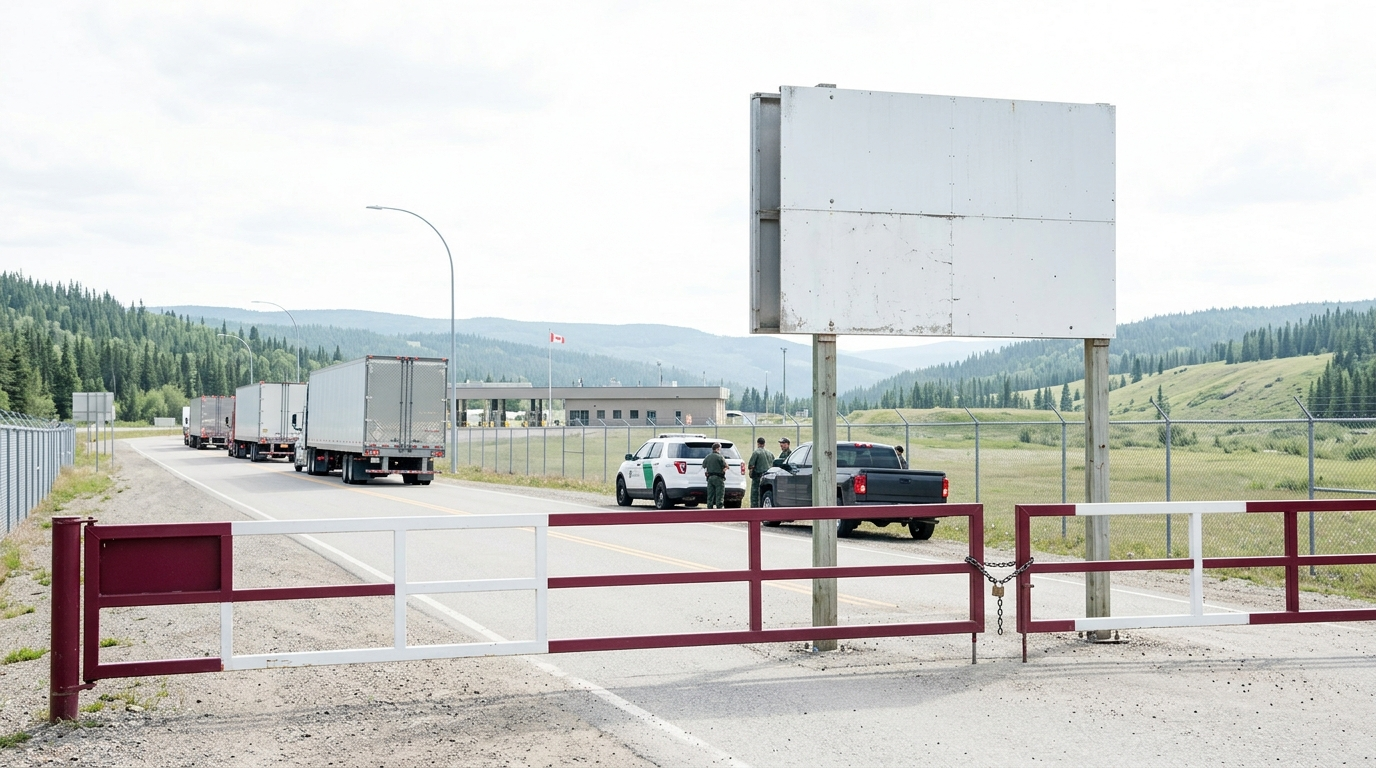
An outright ban on certain Canadian products took effect Tuesday, deepening a trade dispute between two North American allies.
The measure marks a sharp turn from tariffs or import limits. A ban can halt affected trade at the border, leaving exporters and buyers with little time to adjust.
Details about the restricted products, the authority imposing the ban, and its stated legal basis were not disclosed. Those gaps make the immediate economic cost difficult to measure.
A More Severe Trade Measure
Governments often use tariffs to make foreign goods more expensive while allowing trade to continue. An outright ban is more restrictive because it can remove products from a market entirely.
“An outright ban on certain Canadian products took effect Tuesday, escalating a damaging trade fight between the two North American allies.”
The description of the dispute as “damaging” indicates that the conflict was already affecting economic ties before Tuesday. The ban now raises the risk of retaliation or added restrictions.
Trade disputes can spread quickly. A measure aimed at a limited group of products may also affect freight companies, distributors, retailers, and manufacturers that rely on imported materials.
Businesses Face Immediate Uncertainty
Canadian producers covered by the restriction could lose access to established customers. Importers may need to locate new suppliers, often at higher cost or with longer delivery times.
The effects will depend on several unanswered questions:



- Which Canadian products are prohibited
- How much annual trade the ban covers
- Whether goods already in transit are exempt
- How long the restriction will remain
- Whether Canada plans countermeasures
Companies may delay orders and investment until officials provide more guidance. Even businesses outside the targeted sectors could face added paperwork or border delays.
Consumers may also feel the impact if buyers cannot replace Canadian supplies easily. Possible results include reduced choice, shortages, or higher prices, depending on the products involved.
Political Costs for Close Allies
The dispute carries added weight because it involves allied countries in North America. Such relationships usually include close supply chains, shared infrastructure, and regular diplomatic contact.
A product ban can weaken trust even if its direct economic reach is limited. Each side may face domestic pressure to defend local industries and avoid appearing weak in negotiations.
Supporters of firm trade action may argue that bans protect national interests or answer unfair treatment. Critics may warn that retaliation harms workers and consumers on both sides.
Resolution could require direct talks, a negotiated exemption, or a formal trade challenge. The available path will depend on the rules cited for the ban and any existing agreements between the countries.
What Comes Next
The next official statements will be important. Markets and affected industries will look for a full product list, enforcement guidance, and signs of diplomatic talks.
Canada’s response will also shape the dispute. Retaliatory restrictions could widen the economic damage, while a negotiated pause could prevent further escalation.
For now, Tuesday’s ban represents a clear escalation with uncertain reach. Its wider impact will become clearer once officials identify the affected goods and explain whether negotiations remain active.