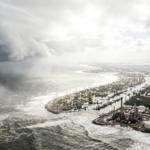



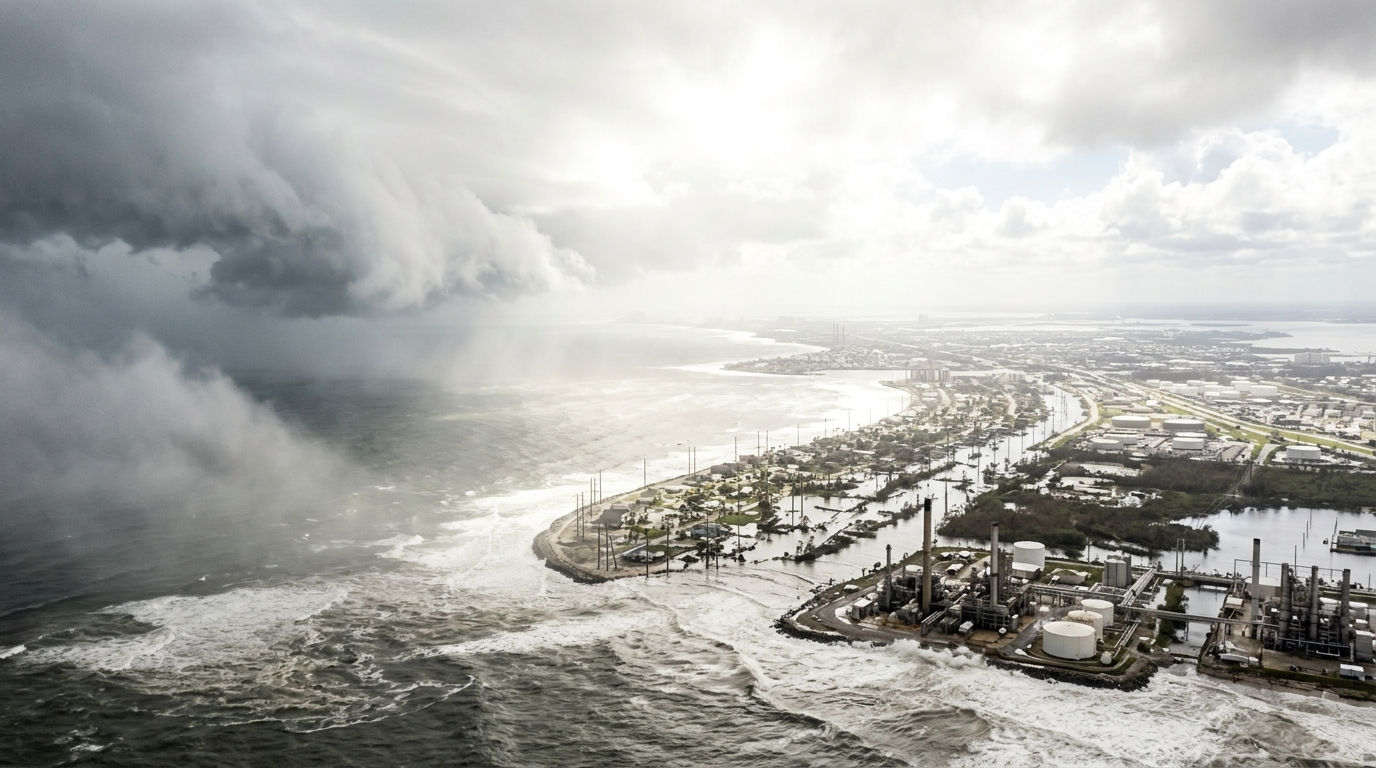
Hurricane Isaias raised fresh concerns about energy security as it approached the United States in 2020, when global fuel markets had little room for disruption.
Early warnings described Isaias as “barreling down on the US Gulf Coast” during a period of severe strain. However, the storm ultimately followed the Atlantic coastline rather than entering the Gulf of Mexico.
The episode showed how quickly hurricane forecasts can change. It also highlighted the risks facing fuel producers, utilities, shipping networks and consumers during a wider economic crisis.
Storm Followed the Atlantic Coast
Isaias formed in the Caribbean in late July 2020. It affected Puerto Rico, the Dominican Republic and the Bahamas before moving near Florida.
The storm made landfall near Ocean Isle Beach, North Carolina, on Aug. 3 as a Category 1 hurricane, according to the National Hurricane Center. It then moved rapidly through the eastern United States.
Isaias caused widespread flooding, tornadoes and power failures. Millions of customers lost electricity along its path, showing that energy disruption can occur far from oil and gas production centers.
The original Gulf Coast warning did not match the storm’s eventual route. Yet the concern was reasonable because forecasts can shift, especially several days before landfall. A Gulf strike also could have threatened a major center of US energy production.
Why the Gulf Coast Matters
The Gulf Coast contains offshore platforms, refineries, petrochemical plants, pipelines and export terminals. These facilities link domestic production with global markets.

Before major storms, operators may evacuate workers and halt offshore output. Refineries can reduce operations or close, while ports may suspend vessel traffic. Those precautions protect workers but can restrict fuel supplies.
- Offshore shutdowns can reduce crude oil and natural gas production.
- Refinery closures can limit gasoline, diesel and aviation fuel supplies.
- Port restrictions can delay imports and exports.
- Power failures can slow the return of industrial operations.
These risks are connected. A refinery may escape major structural damage but remain closed because electricity, workers or crude supplies are unavailable.
A System Under Pandemic Pressure
Isaias arrived during the first year of the COVID-19 pandemic. Lockdowns had sharply reduced travel and fuel demand, forcing energy companies to cut production and spending.
Oil markets were also recovering from an extraordinary price collapse. US crude futures briefly traded below zero in April 2020 as storage filled and demand fell.
“There’s almost no margin for error in the global energy system.”
That warning captured the uncertainty of the period. Demand was weak, but supply chains still faced operational limits. Companies had fewer financial resources, while emergency planning was complicated by distancing rules and health risks.
Low demand could soften the effect of a temporary production outage. At the same time, reduced staffing and delayed maintenance could make recovery harder. The pandemic therefore created both a market cushion and an operational threat.
Lessons for Future Hurricane Seasons
Isaias did not strike the Gulf Coast, but its Atlantic path still caused major electricity failures. The distinction matters because storms can damage different parts of the energy network in different ways.
Future planning will require utilities and fuel suppliers to prepare for uncertain storm tracks, regional power losses and overlapping emergencies. Officials must also issue clear updates when forecasts change.
The central lesson is that energy security depends on more than production volume. Ports, power lines, refineries, workers and transportation links must function together. As severe weather threatens those connections, preparation and accurate public information remain key measures of resilience.