




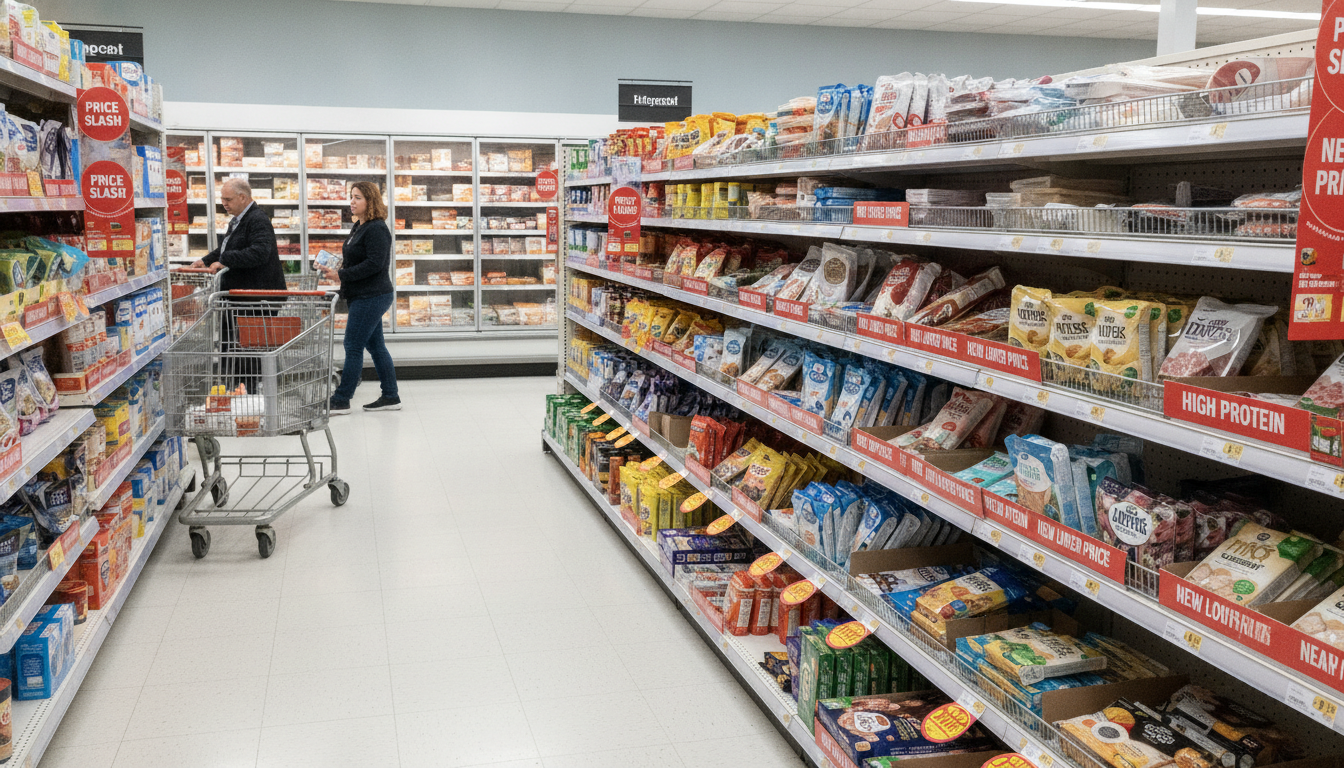
Major consumer brands have raced to win back shoppers with lower prices and reformulated products, yet sales momentum has not returned. Across grocery aisles and coolers, companies have introduced discounts, bundle deals, and recipes boosted with protein in hopes of reversing a slide in traffic. The timing reflects a fragile consumer mood and rising competition for attention at the shelf.
Industry watchers say the push began as budgets tightened and loyalty wavered. Marketers responded with quick fixes that promised value and better-for-you cues. Early trial bumped up, but repeat purchase lagged. That gap is now central to boardroom debates on strategy, pricing, and product direction.
A Flurry of Efforts Meets Stagnant Demand
Companies have stacked promotions and refreshed labels to stand out. Many tied campaigns to value and health. On the product side, protein has been the go-to signal of function and satiety. It appears across snacks, beverages, and even desserts.
These companies have launched multiple initiatives to lure back shoppers, from lower prices to protein infusions, but none have worked.
The comment reflects a broader frustration. Leaders hoped familiar tactics would restore habits formed during lockdowns and earlier periods of growth. Instead, they ran into a careful shopper who compares prices, reads ingredient lists, and switches stores or brands to save money.
Why Shoppers Are Holding Back
Consumers still face higher shelf prices compared with a few years ago. Even where inflation has cooled, the base level is sticky. Many households now plan weekly around deals and private labels. Health claims alone do not offset that math.
Retailers report more split baskets, where premium items sit alongside entry brands. That mix signals selective trade-up rather than a full return to pre‑inflation routines. It also means each new product must clear a higher bar for repeat purchase.
- Price gaps with store brands remain a key trigger for switching.
- Trial offers work short term, but loyalty is fragile without sustained value.
- Nutrition claims help only when taste and cost align.
Protein Everywhere, But To What End
Protein claims once set products apart. Now they often blend into the shelf. Shoppers can find a protein version of nearly any snack. That volume dulls the message and risks confusion over quality, source, and sugar or sodium trade-offs.
Analysts caution that a single added nutrient does not fix a weak proposition. If taste is average or price is high, the badge loses power. For some categories, protein also crowds labels, leaving little room to explain flavor or use case.



Price Cuts: Relief Or Risk
Discounts and list-price reductions can spark traffic, but they carry risk. Deep cuts train shoppers to wait for deals. They can also strain margins and limit funds for product support. In crowded categories, a price move gets matched fast, which blunts the lift.
Some retailers have pushed suppliers to fund promotions more often. That spreads costs across the supply chain and invites tension when the lift fades. Without a clear value story, a lower price becomes the only story, and that is easy to copy.
What Might Change The Trajectory
Experts point to a back-to-basics playbook. Make the product taste great, keep pack sizes honest, and price fairly. Communicate simply. If there is a health benefit, tie it to a clear need, such as energy in the afternoon or steady fullness between meals.
Case studies suggest paired moves work better than one-offs. A modest price realignment, a flavor built from shopper feedback, and clear claims can lift repeat rates. Retail execution also matters. Shelf placement, signage, and sampling convert trial at the moment of choice.
Digital loyalty tools can help, but only when rewards feel real. Personalized coupons tied to actual purchase history may beat blanket discounts that train the entire market to expect lower prices.
The next few quarters will test whether brands stick with scattershot tactics or settle on clearer value promises. The early verdict is plain: quick fixes have not reset habits. Companies that align price, taste, and purpose, then prove it week after week, are best placed to regain trust and steady demand.