



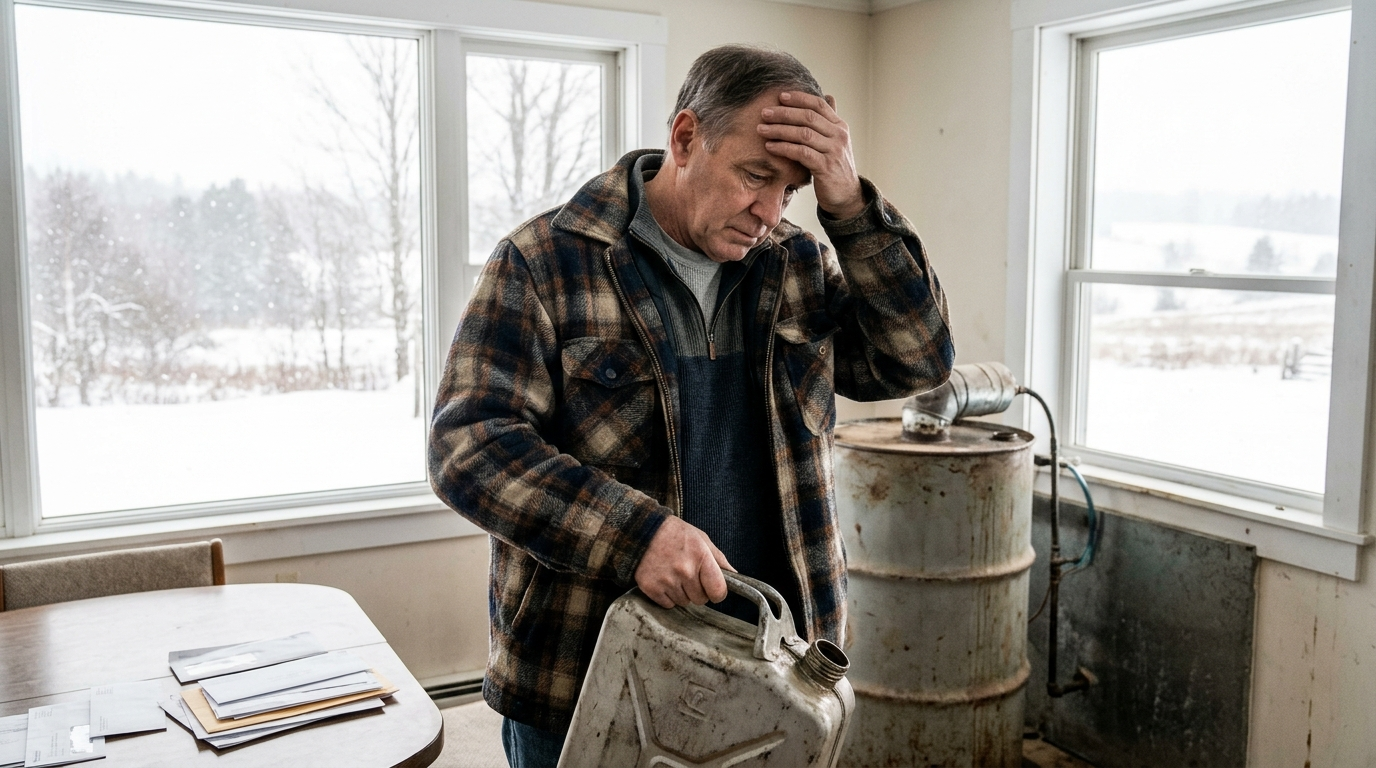
Soaring energy and heating oil costs are keeping the economy at the center of political debate in Maine, with pressure especially severe in Aroostook County.
The northern county faces high heating needs and elevated poverty rates. About 16% of all residents and 12% of seniors live in poverty, leaving many households with little room to absorb higher fuel bills.
These conditions help explain why economic security remains a leading concern for Maine voters. Energy prices affect more than household comfort. They can force difficult choices involving food, medicine, transportation, and housing expenses.
Aroostook County Faces Greater Pressure
Aroostook County experiences long, cold winters, making reliable home heating a basic need. Heating oil costs can therefore carry more weight in household budgets than they do in warmer regions.
The county’s poverty figures show why price increases can have an uneven effect. A household with limited income may struggle to build savings or prepare for sudden fuel price changes.
“16% of all residents and 12% of seniors live in poverty.”
The figures also point to a wider challenge. Poverty affects more than working-age adults. Older residents may depend on fixed incomes, which can make rapid increases in heating costs harder to manage.
However, the statistics alone do not show how many residents use heating oil or how much their bills have risen. They do indicate that a sizable share of the population may have fewer financial options during periods of high energy prices.
Energy Prices Shape Wider Economic Views
Voters often judge the economy through recurring household costs. Heating bills are direct and visible, especially when payments rise during the coldest months.



Higher energy expenses can also affect local businesses. Stores, farms, service providers, and landlords may face increased operating costs. Some may pass part of those expenses to customers or tenants.
For households, the financial pressure can spread across several areas:
- Less money for groceries and medical care
- Greater dependence on heating assistance
- Delayed home repairs or other purchases
- Higher risk of unpaid bills and debt
This helps turn energy policy into an election issue. Voters may examine whether candidates offer short-term relief, longer-term cost controls, or support for lower-income households.
Policy Choices Carry Trade-Offs
Immediate aid can help families cover urgent heating bills. Yet assistance programs require public funding and may not reach every household facing hardship.
Longer-term measures could include weatherization, improved energy efficiency, and alternatives to oil heating. Such changes may reduce future costs, but installation expenses can place them out of reach for low-income residents without subsidies.
Policymakers must also account for geography. Rural communities can face different transportation, housing, and service challenges than more densely populated parts of Maine. A single statewide response may not address every local need.
Energy prices may rise or fall, but Aroostook County’s poverty rates suggest that affordability will remain a political concern. The key question is whether future policies provide quick relief while reducing household exposure to later price shocks.
For Maine voters, the economy is not an abstract measure. In northern communities, it can be measured by the cost of keeping a home warm through winter.