
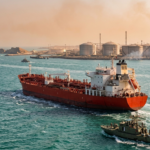




Jet fuel prices roughly doubled in the opening weeks of fighting in Iran, forcing airlines to move fast to protect cash by lifting fares, cutting marginal routes, and adding fees. The rapid shift has begun to reshape travel plans for families and businesses as summer schedules are redrawn and carriers warn of thinner capacity.
The surge, which followed supply jitters and shipping risks in the Gulf region, hit an industry that relies on stable fuel costs. Airlines across major markets have started passing costs to passengers, citing the jump in fuel as the trigger for higher prices and tighter schedules.
“Jet fuel prices roughly doubled in the early weeks of the Iran war, prompting airlines to pass the costs on to consumers through increased fares, fewer flights and higher baggage fees.”
Why Fuel Matters So Much
Fuel is one of the largest expenses for airlines. Industry data often place it at 20% to 30% of operating costs, depending on region, fleet, and hedging. A sudden spike can wipe out thin margins, especially for low-cost carriers with tight cost structures.
Past shocks show a similar pattern. After oil supply disruptions in prior conflicts and during shipping bottlenecks, airlines reacted with fare hikes, fuel surcharges, and selective route cuts. Smaller regional routes and late-night frequencies are usually the first to go because they carry lower yields.
Hedging can delay the pain for some carriers but not remove it. Contracts roll off, and replacement fuel reflects market prices. For unhedged airlines, the impact is immediate and harsh.
How Airlines Are Responding
Carriers have turned to a familiar toolkit. Base fares are rising on long-haul and transcontinental routes, where fuel burn is highest. Ancillary fees are stepping up, with checked bag charges and change fees becoming more common on lower fare classes.
Capacity plans are being revised. Airlines are trimming less profitable flights, upgauging aircraft on strong routes, and delaying discretionary expansions. Charter operations tied to tour packages are being reviewed as operators reassess demand.
Executives argue these moves are necessary to keep aircraft in service and crews employed. Unions warn that deeper cuts could lead to schedule instability and overtime pressure on staff, raising fatigue concerns.


What It Means for Travelers
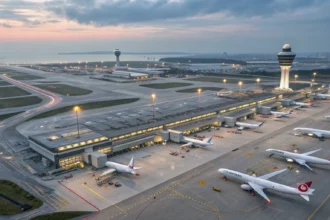
Passengers are already seeing fewer low-fare options and more price volatility. Flexible dates and off-peak travel still offer relief, but deals are scarcer. Families with checked bags face higher trip totals as baggage fees increase.
- Book earlier to avoid last-minute fare spikes.
- Travel light to minimize new bag fees.
- Consider secondary airports where competition may keep prices in check.
- Watch for schedule changes and rebooking windows.
Business travelers may see tighter inventories in premium cabins as airlines prioritize higher-yield seats. Corporate travel managers are updating budgets and advising staff to plan trips further in advance.
Pressure Points in the Supply Chain
The fuel spike is tied to concerns about crude supply and shipping insurance costs in the region. Even when crude prices stabilize, refining constraints and logistics can keep jet fuel elevated compared with gasoline or diesel.
Airports dependent on single pipelines or limited storage are vulnerable. Any delay can force airlines to tanker extra fuel from other hubs, adding weight and cost to flights. That tactic helps reliability but reduces payload for passengers or cargo.
Longer-Term Shifts to Watch
Airlines are accelerating efficiency steps. They are reassigning newer aircraft with lower fuel burn to longer routes, optimizing flight speeds, and pushing for single-engine taxi procedures where safe. Some are expanding sustainable aviation fuel (SAF) trials, though supply and price remain hurdles.
Manufacturers and lessors report steady interest in next-generation narrowbodies and widebodies that cut fuel use per seat. Delivery backlogs limit immediate relief. In the near term, schedule discipline and pricing will do most of the work.
Travel demand remains the wild card. If consumers pull back, airlines may trade higher fares for load factors, easing some prices but risking profitability. If demand holds, higher fares could stick through peak seasons.
Outlook
Much depends on how long fuel stays high and how stable supply lines remain. A swift easing would allow carriers to restore capacity and moderate fees. A prolonged spike could trigger deeper cuts, higher surcharges, and weaker service to smaller cities.
For now, the industry is bracing for a costly period and asking travelers to share the burden. Passengers should expect more price checks, fewer impulse trips, and closer attention to the fine print on fees.
Airlines have weathered fuel shocks before. The next few months will show whether this one reshapes routes and prices for a season or defines the next year of flying.