




Sports and culture campaigns are drawing music, fashion, and athletics closer together, changing how brands seek attention and build loyalty. Recent marketing efforts have treated athletes as cultural figures, while musicians and designers have gained larger roles in sports promotion.
The shift matters because sports audiences no longer engage only during games. They follow athletes through social media, clothing releases, concerts, and other cultural events. Marketers are responding with campaigns designed to reach consumers across several interests at once.
Sports Campaigns Reach Outside Competition
Traditional sports marketing often centered on match results, television commercials, and athlete endorsements. The newer approach places competition within a wider cultural setting.
A campaign may link an athlete with a musician, use fashion to shape its visual identity, or combine all three fields. This creates more ways for consumers to encounter a team, athlete, or sponsor.
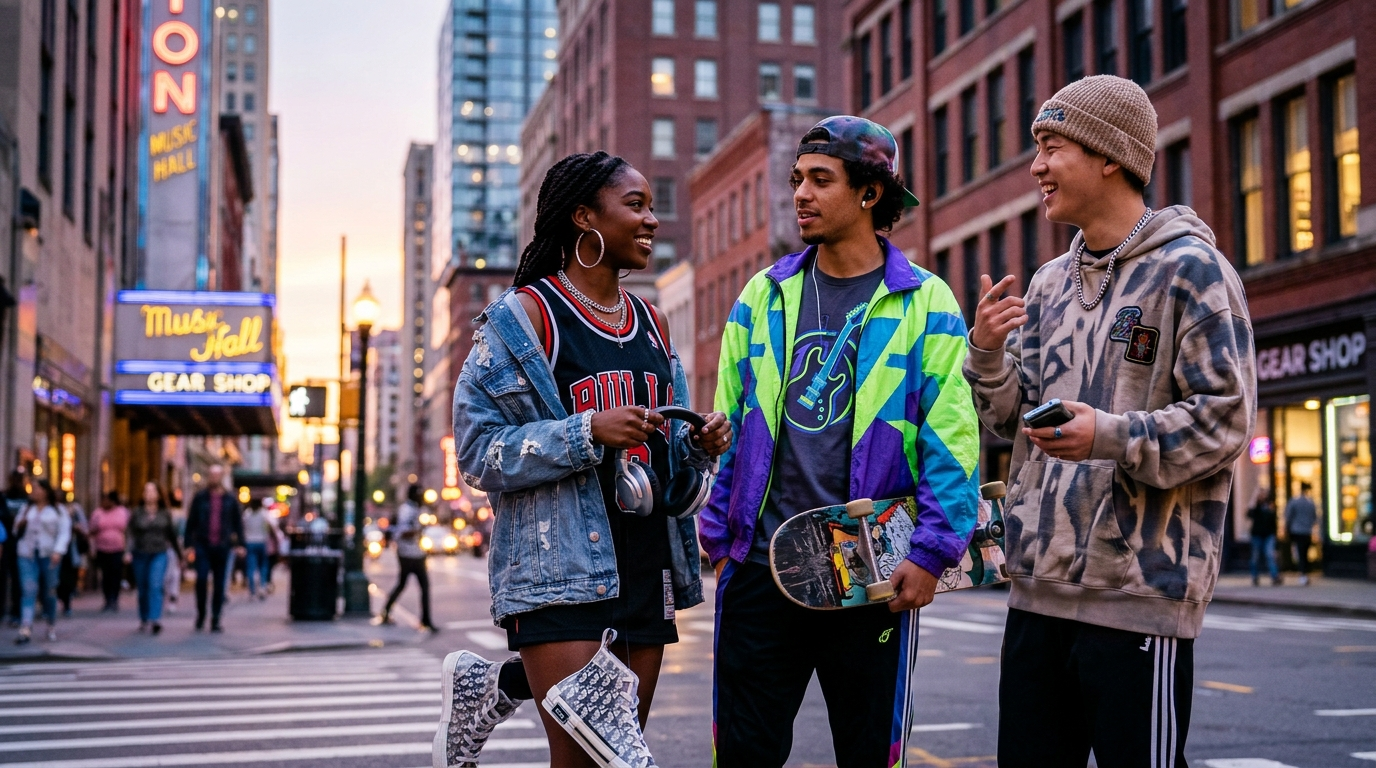
“Recent sports and culture marketing campaigns highlight the growing intersection of music, fashion, and athletics.”
That intersection reflects changes in media habits. Fans can move from a game highlight to a music video or clothing post within minutes. Each channel offers brands another route to the same audience.
The strategy also allows athletes to present identities that extend outside their sport. Style choices, music interests, and creative partnerships can become part of an athlete’s public image.
Music Adds Emotion and Wider Reach
Music has long played a role at sporting events, from stadium entrances to halftime performances. Marketing campaigns now use that connection more directly.
Artists can provide soundtracks, appear in advertisements, or join athletes in promotional content. Their participation may introduce a sports brand to listeners who do not regularly follow competition.


The exchange works in both directions. Musicians gain access to highly engaged sports audiences, while leagues and sponsors gain cultural relevance. Yet the partnership must feel credible. A weak connection between the artist, athlete, and product may look like a simple sales effort.
Fashion Turns Athletes Into Style Figures
Fashion gives campaigns a physical product that consumers can wear. Limited clothing releases, uniforms, footwear, and athlete-led collections can turn sports identity into personal style.
This approach can extend a campaign’s life after an event ends. A game may last several hours, but apparel can remain visible for months or years.
Several factors shape whether these partnerships connect with audiences:
- A clear relationship among the athlete, artist, designer, and brand
- Creative work that respects each participant’s established identity
- Products and messages that fit the intended audience
- Transparent commercial terms and promotional roles
There are also risks. Limited releases may exclude fans through high prices or scarce supply. Campaigns can also draw criticism if brands borrow from communities without fair credit or participation.
Success Requires More Than Visibility
Cross-cultural campaigns can generate attention, but attention alone does not prove lasting value. Brands must assess whether an effort improves public sentiment, sales, audience growth, or long-term loyalty.
The mixed format can make measurement difficult. A consumer may hear a song, watch a match, and later buy clothing. Assigning that decision to one part of the campaign is rarely simple.
Marketers must also balance reach with authenticity. Athletes, musicians, and designers each bring distinct audiences and reputations. A controversy involving one participant can affect every partner.
The growing link among sports, music, and fashion points to a broader change in audience identity. Fans increasingly connect with people and communities across cultural categories, rather than through a single interest.
Future campaigns are likely to deepen these partnerships, especially through social platforms and live events. The strongest efforts will pair cultural relevance with clear purpose, fair participation, and measurable results. Brands that treat the three fields as interchangeable promotional tools may struggle to earn lasting trust.