






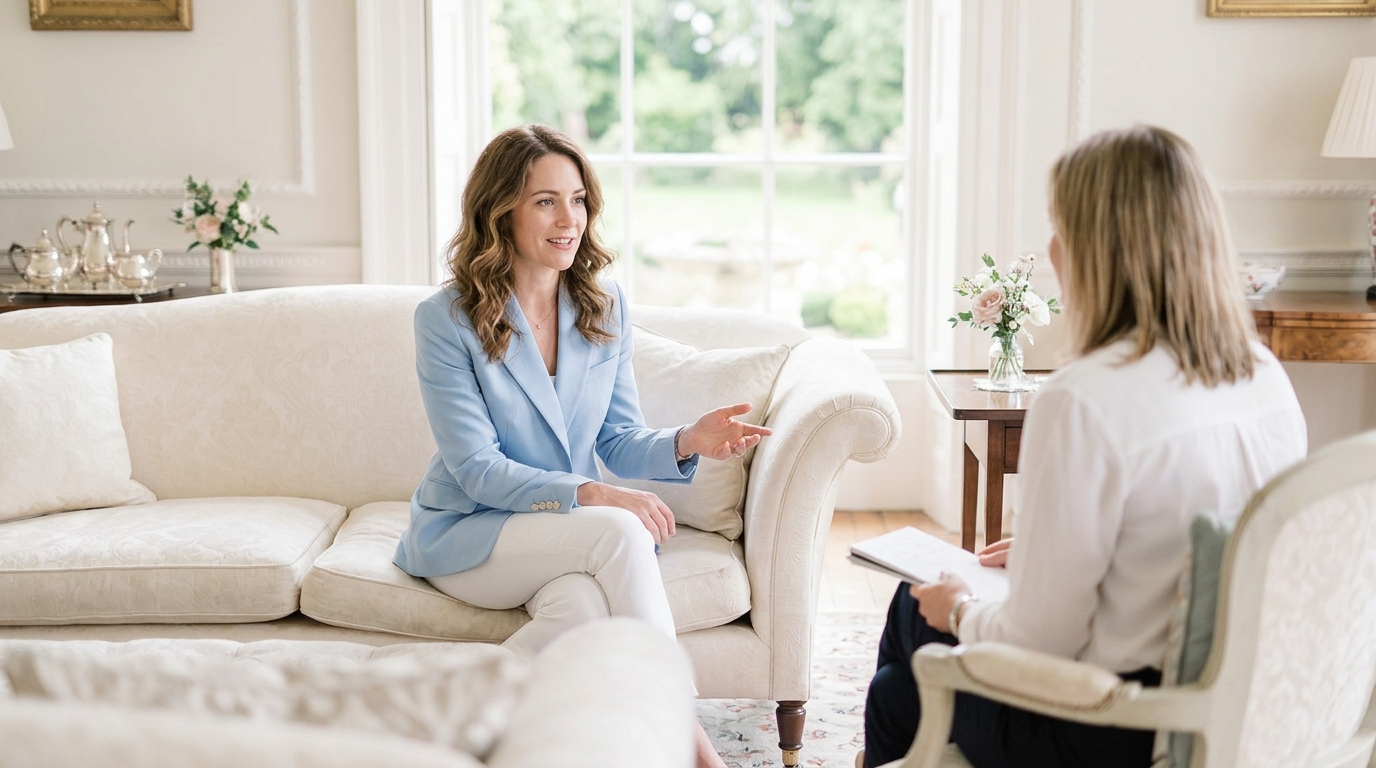
Harriet Sperling’s decision to speak with Hello! magazine has stirred criticism among some supporters of the Duke and Duchess of Sussex. The reaction puts Peter Phillips’s new wife at the center of a familiar royal dispute over privacy, publicity and perceived double standards.
The disagreement is not simply about one magazine interview. It reflects years of tension over which royal relatives may engage with the press, and how similar choices receive very different reactions.
A Magazine Interview Draws Scrutiny
Sperling’s appearance in Hello! attracted objections from some Sussex supporters. Their concern appears rooted in comparisons with the treatment of Prince Harry and Meghan, who have often faced criticism for discussing private matters publicly.
No figures were provided to show how widespread the outcry was. Social media reaction can amplify a small but vocal group, making its size difficult to judge. The criticism should therefore not be read as the view of every Sussex supporter.
Hello! has long covered royal weddings, family milestones and society events. An interview with someone connected to the wider royal family fits that editorial tradition. Still, royal coverage is rarely just tea and photographs. Every appearance can become evidence in a larger argument.
Privacy Versus Publicity
Prince Harry and Meghan have repeatedly faced claims that they seek privacy while also taking part in interviews, documentaries and publishing projects. Their supporters have argued that privacy does not require complete silence. Instead, they say public figures should retain some control over what they share.
Sperling’s interview has revived that argument from another direction. Critics are asking whether royal relatives outside the Sussex household receive gentler treatment for making comparable media choices.
The central questions include:


- Whether one interview is comparable with a wider media campaign.
- Whether senior and non-working royal relatives should face the same standards.
- Whether public criticism is driven by conduct, status or personal loyalty.
Those distinctions matter. Peter Phillips is part of the extended royal family, but he does not occupy the same public role once held by Harry and Meghan. Different levels of public duty can lead to different expectations, although critics may see that distinction as convenient rather than fair.
A Wider Argument About Fairness
Royal media disputes often divide audiences into camps. One side may view an interview as harmless personal publicity. Another may treat it as proof that press standards change according to who is speaking.
Sperling also has the right to tell her own story. Marrying into a famous family does not automatically remove personal agency. A voluntary interview can offer a measured alternative to unnamed sources, speculation and long-lens photography.
At the same time, association with the royal family brings intense attention. Public appearances are likely to be compared with past interviews by other relatives, even when the circumstances differ. Fair or not, the royal family comes with a permanent side order of comparison.
What Comes Next
The lasting impact will depend on the interview’s content and whether Sperling continues to seek a public profile. A single feature may fade quickly. Further interviews could turn the episode into a broader debate about her place in royal public life.
For now, the dispute shows how deeply the Sussex split still shapes royal coverage. The sharpest issue is not whether Sperling spoke to a magazine. It is whether audiences believe the rules are being applied evenly. That question will keep returning whenever another royal relative steps before a camera or sits down with a glossy publication.