






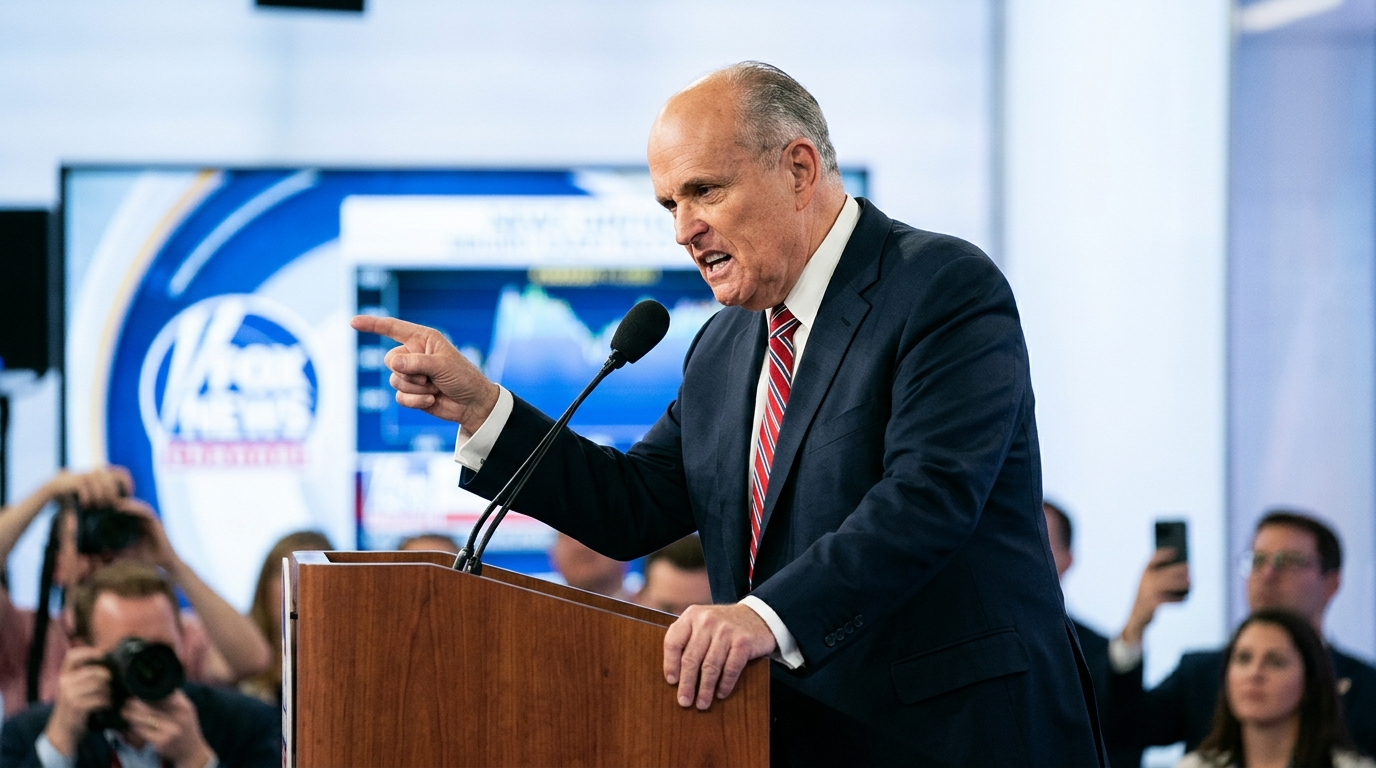
President Donald Trump opened election night by attacking Fox News and blaming the conservative network for severe Republican midterm losses. The accusation shifted attention from defeated candidates and voter concerns to the party’s relationship with a major media outlet.
Trump offered the criticism as election results exposed serious setbacks for the GOP. However, the available account provides no evidence that Fox News caused those defeats. The claim also leaves unanswered how the network could have changed outcomes across multiple races.
Blame Follows a Difficult Election
Midterm elections often serve as a public judgment on the president and the governing party. They can turn on economic conditions, candidate quality, turnout, campaign strategy, and views about national leadership.
Trump instead focused on Fox News at the start of election night. He “tried to blame the conservative network for the GOP’s devastating midterm losses,” according to the account.
That response matters because it frames the losses as the result of media conduct rather than political decisions. It may also discourage an internal review of why Republican candidates failed to win enough voters.
Several basic questions would need answers before the accusation could be supported:
- Which Fox News coverage or decisions allegedly harmed Republican candidates?
- Did voter surveys identify the network as a major influence?
- Were the losses concentrated among viewers of conservative media?
- How did local candidates and issues affect each result?
Without that evidence, the argument remains a political assertion rather than a demonstrated explanation.
A Strained Relationship With Conservative Media
Fox News has long held an influential place among conservative viewers. That makes Trump’s criticism politically significant, even if his causal claim is unsupported.



The attack suggests that alignment between Republican leaders and conservative media cannot be taken for granted. A network may provide frequent coverage of a party while still making editorial choices that anger its leaders.
Trump’s reaction also reflects his wider habit of treating media coverage as part of the political contest. By confronting Fox News, he directed supporters toward an outside target during a moment that might otherwise prompt questions about his own influence.
Republicans Face a Strategic Choice
The GOP’s next steps may depend on whether party leaders accept Trump’s explanation. If they do, attention could center on media pressure and disputes over coverage.
If they reject it, Republicans may examine turnout, campaign messages, candidate selection, and voter priorities. That process could produce a clearer account of the defeats, but it may also expose disagreements inside the party.
Fox News faces its own challenge. A public break with Trump could affect trust among viewers who remain loyal to him. Yet changing coverage in response to political pressure could create questions about editorial independence.
The episode therefore carries consequences outside a single election night. It tests whether conservative media outlets can report unfavorable Republican results without becoming targets of Republican leaders.
Trump’s accusation offered a quick explanation for painful losses, but not a proven one. The more important test will come as election data, voter surveys, and campaign reviews clarify why the GOP lost. Those findings will show whether Republicans study the results or continue directing blame at the media.