



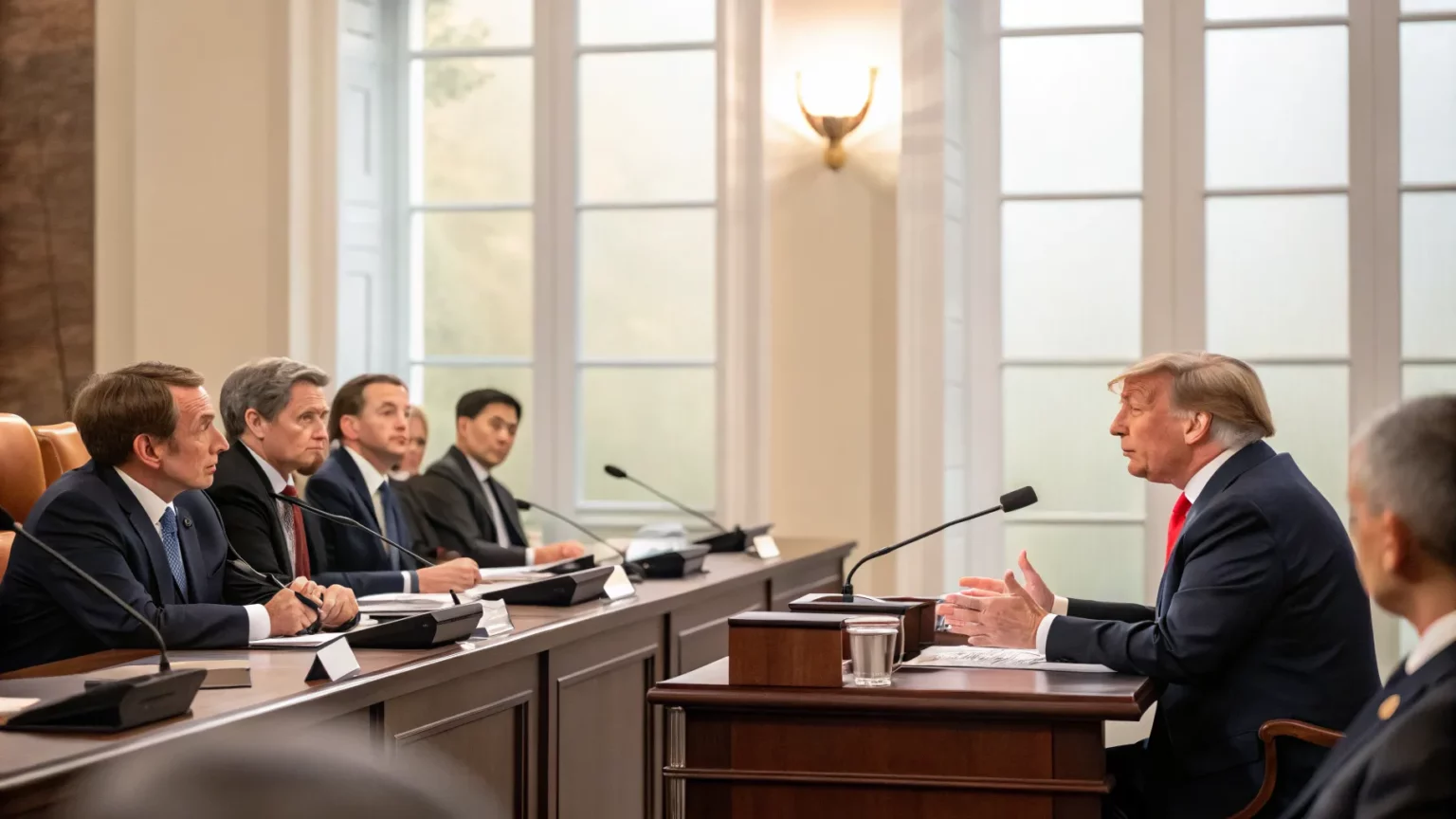
As Congress weighs how to govern artificial intelligence, a central question is hardening along party lines: should advanced AI models be screened before they reach the public? The debate, now a fixture in hearings and closed-door meetings in Washington, pits calls for mandatory checks against warnings that rules could slow innovation and muzzle speech.
Democrats and Republicans remain divided over whether advanced AI models should be vetted before being released to the public.
The split comes as federal agencies roll out guidance and major tech firms race to ship new systems. Lawmakers are searching for a path that balances safety, national security, and economic growth.
How Vetting Would Work
Supporters of pre-release screening describe “vetting” as structured testing before launch. It includes red-team exercises, evaluations for bias and safety, and disclosure of results to regulators.
The White House issued an executive order in 2023 directing developers of powerful systems to share safety test results with the government. The order instructed the National Institute of Standards and Technology to produce testing guidelines, while the Department of Commerce began work on reporting rules.
Backers say these steps create a floor for accountability. They argue that models able to generate code, design novel molecules, or mimic voices at scale should face extra checks, similar to other high-risk technologies.
What Each Side Is Arguing
Democrats tend to support stronger guardrails. Many argue that pre-deployment testing and disclosure are needed to reduce risks from fraud, discrimination, or biosecurity misuse. They say light-touch rules failed on social media and should not be repeated with far more capable systems.
Republicans often warn that sweeping mandates could entrench the largest firms. They argue that strict licensing or model approvals might lock out startups and open-source projects. Some also frame pre-release reviews as a path to censorship if content rules are enforced through model design.
Both sides stress national security. They differ on whether flexible industry standards are enough or if Congress should set hard thresholds for the most capable models.


Industry Stakes and Open-Source Tensions
Big developers have accepted voluntary commitments on safety, watermarking, and reporting. More than a dozen companies have signed on to test models and share results. Yet those pledges are not binding.
Startups and open-source groups worry that compliance costs could crush small teams. They also warn that sweeping duties applied to open models might push research underground or offshore. Large firms counter that consistent rules help build public trust and can prevent a race to the bottom.
- Large firms seek clarity and liability shields.
- Startups seek simple, low-cost rules.
- Open-source advocates seek exemptions or tailored duties.
Global Pressure and the EU Example
Europe’s AI Act adds pressure. It sets strict duties for high-risk systems and adds extra rules for general-purpose and very capable models. U.S. officials fear that, without a federal law, domestic companies may follow foreign rules by default.
States are also moving. Privacy and deepfake bills are advancing, creating a patchwork that firms say is hard to navigate. Business groups want a single national standard.
What Comes Next in Washington
Leaders in the Senate have hosted forums with researchers, labor, civil rights groups, and industry. Several draft bills would direct independent testing for highly capable systems, expand funding for evaluations, or set disclosure duties for model releases. Others focus on curbing fraud and deepfakes without touching core model design.
Any deal will likely target the narrow slice of models with the greatest scale and risk. It may pair testing duties with limits on liability for developers that follow government standards. Open-source carveouts, or duties that trigger only when models cross measured thresholds, are under discussion.
The debate over pre-release vetting captures the broader challenge of AI policy: keeping systems safe without freezing progress. With new models arriving each quarter and global rules taking shape, pressure is building for Congress to act. If talks stall, agency rules and state laws may fill the gap, leaving companies to comply with a shifting set of standards. Clear thresholds, transparent testing, and simple enforcement mechanisms are the measures to watch in the months ahead.