



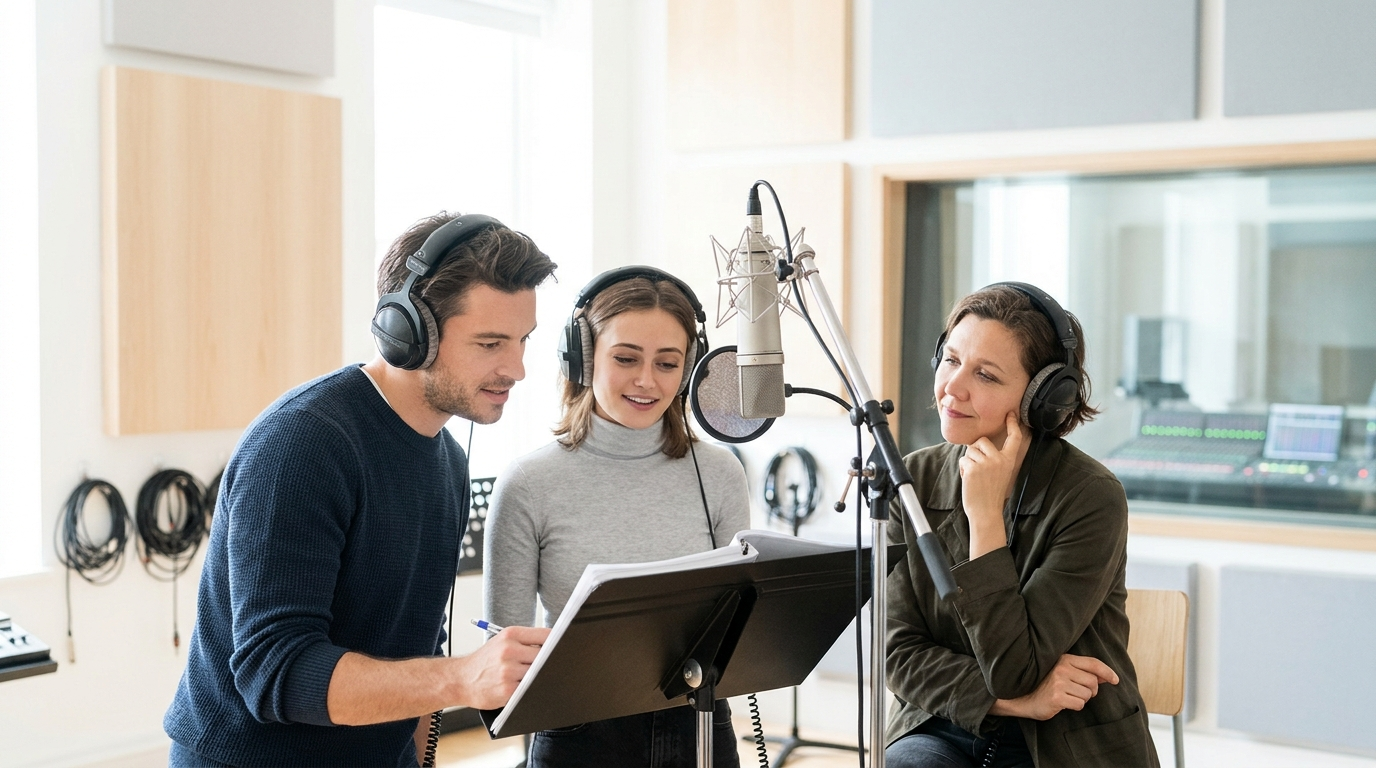
Audible is betting that Bram Stoker’s Dracula was made for headphones, not just bookshelves. The company has assembled Jonathan Bailey, Ella Purnell and Maggie Gyllenhaal for a production spanning seven languages.
Audible’s international content chief described the 1897 novel as “meant to be heard.” The project also supports a larger company strategy: using audio adaptations to test whether stories could succeed on screen.
A Novel Built From Many Voices
Dracula is an epistolary novel, meaning its story unfolds through documents rather than a single narrator. Stoker used letters, diaries, telegrams, newspaper reports and recorded notes to track Count Dracula’s arrival in England.
That structure makes the book a strong match for a large audio cast. Each document can have a distinct voice, while shifts in tone help listeners follow the story’s changing viewpoints.
Audible’s international content chief said Stoker’s novel was “meant to be heard.”
The description is more than a catchy sales line. One character, Dr. John Seward, records parts of his diary on a phonograph. Audio is therefore written into the novel itself, decades before podcasts turned spoken diaries into familiar entertainment.
Still, adapting the book presents risks. Its mix of documents can feel fragmented, and modern listeners may struggle with Victorian language or slow passages. Performances must create momentum without flattening the book’s deliberate sense of dread.
Star Performers Anchor Seven Languages
Jonathan Bailey, Ella Purnell and Maggie Gyllenhaal serve as anchors for the international production. Their involvement gives Audible recognizable names with experience across film, television and voice performance.
The seven-language approach signals ambitions larger than a standard English-language audiobook. It treats the same story as a coordinated global release, while leaving room for local performers and cultural interpretation.



- Bailey brings broad recognition from television and stage work.
- Purnell has experience in both screen acting and voice-led productions.
- Gyllenhaal adds an established acting and filmmaking profile.
Producing one drama across seven languages is no small trick. Translation must preserve plot details, character relationships and period atmosphere. Directors must also keep the emotional rhythm consistent, even when sentence length and vocal delivery change between languages.
Audio Becomes a Screen Test
Audible also views audio as proof of concept for screen. A finished production can show whether audiences connect with a cast, story and creative approach before a film or television budget enters the picture.
That model may lower some development risk. Listening data can reveal completion rates and regional interest. Reviews and subscriber response can also indicate which characters or story elements attract attention.
However, a successful audio drama does not guarantee a screen hit. Audio asks listeners to imagine settings and action. Film and television must show them, often at far greater cost. Audience data from a subscription platform may also reflect a narrower group than the public that buys cinema tickets or watches general streaming services.
For Audible, the new Dracula production joins literary adaptation with international distribution and talent-led marketing. Its real test will be whether listeners hear fresh life in a story adapted many times before. If they do, Count Dracula may soon rise again, this time from headphones to screens.