




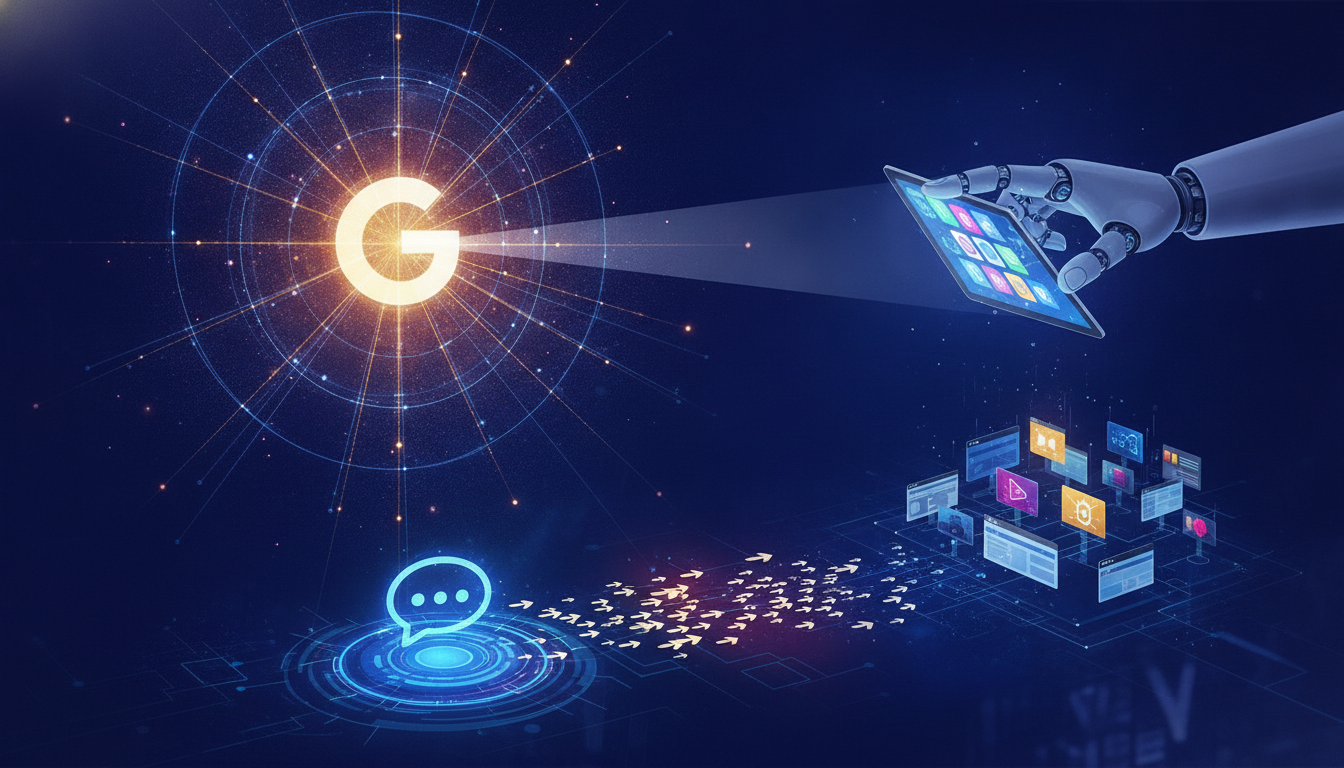
Google remains the starting point for finding AI tools, while a single chatbot drives nearly all measurable traffic sent by large language models. That is the headline from a new analysis by Previsible, released this week, that maps how people discover AI services and how clicks move across the web.
The firm says Google leads in AI discovery, and that ChatGPT sends the vast majority of outbound traffic from standalone chatbots. The findings arrive as publishers, marketers, and tech firms race to understand how search and chat are reshaping attention and clicks.
“Previsible said Google leads AI discovery, while ChatGPT accounts for 92.4% of measurable standalone LLM referral traffic.”
What the Data Suggests
The topline message is simple. People still start with Google when they look for AI tools. Once they are inside a chatbot, most outbound clicks come from ChatGPT, not from its competitors.
The phrase measurable referral traffic matters. Some interactions in chat never leave the chatbot. When users get answers inside the interface, there is no click to count. That means the 92.4 percent share refers to links that can be tracked, not to every user action.
Analysts say this split reflects habits set over two decades. Users search first, then test a tool, then return to search to compare options. Chat-based discovery is strong, but it often happens after that first query.
Why Discovery Still Starts With Google
Google has the index, brand recognition, and built-in pathways like sitelinks and carousels. For new AI products, being visible there can drive early adoption. Reviews, how-to guides, and list articles still rank well and funnel users to sign-ups.
Google is also mixing AI summaries into results in some markets. That may keep more users on the results page. It could reduce clicks to websites in some cases, while still shaping which tools people try next.
For now, the Previsible finding suggests search continues to set the agenda for what people test and trust.



How Referral From Chatbots Works
Standalone chatbots act like in-line browsers. When users ask for sources or click cited links, the chatbot can pass a referral to the target site. That is the traffic counted in the report.
ChatGPT’s share above 90 percent implies its scale and engagement edge. It has a large user base and a habit of showing links for code, research, and product pages. Smaller chatbots may answer without linking out, or have fewer users clicking through.
There are caveats. Measurement can miss clicks that open in apps, private browsing, or embedded webviews. Some tools also shorten links or mask referrers. The share could shift as rival chatbots change how they present sources.
Winners and Risks for Publishers
Publishers and tool makers see a two-track funnel. First, win visibility in Google for discovery. Second, earn citations inside ChatGPT for referral clicks.
- SEO for AI-intent queries remains critical for awareness.
- Clear documentation, citations, and source pages increase the odds of being linked in chat.
- Technical fixes, such as accurate meta data and fast pages, help preserve referrals.
Some publishers worry about zero-click answers in both search and chat. If users get what they need without leaving, traffic can fall even as visibility rises. Others see qualified traffic from chat as more valuable because it comes with context and intent.
Industry Impact and What Could Change
If Google keeps its lead in discovery, ad budgets may stay anchored in search for now. Marketers could then optimize landing pages to capture referrals from chat, with clearer prompts, FAQs, and citations.
Competition among chatbots could still reshape the split. If other LLMs surface more outbound links or grow their user bases, the share of measurable referrals could tilt. Product changes, like link previews or source badges, might drive more clicks.
Regulatory pressure on AI disclosures and citation practices could also push chatbots to show sources more often. That would help publishers measure value and may spread traffic more evenly.
Method Questions and Next Steps
The report’s wording signals a narrow scope: standalone LLMs, measurable referrals, and trackable clicks. It does not cover assistant layers in phones, browsers, or operating systems, where attribution can be opaque.
Marketers will want to verify patterns in their own logs. Segment traffic by referrer, monitor share shifts monthly, and compare assisted conversions from search versus chat.
Product teams should test how content appears inside AI answers. Structured data, clear source pages, and updated documentation can improve the chance of being cited.
The headline number is stark, but it is a moving target. User habits are fluid, and product designs change quickly.
For now, two truths can guide strategy. Google still sets the first click for AI discovery. ChatGPT controls most measurable referrals among chatbots. Teams that plan for both touchpoints will be better placed as the next wave of changes arrives.