




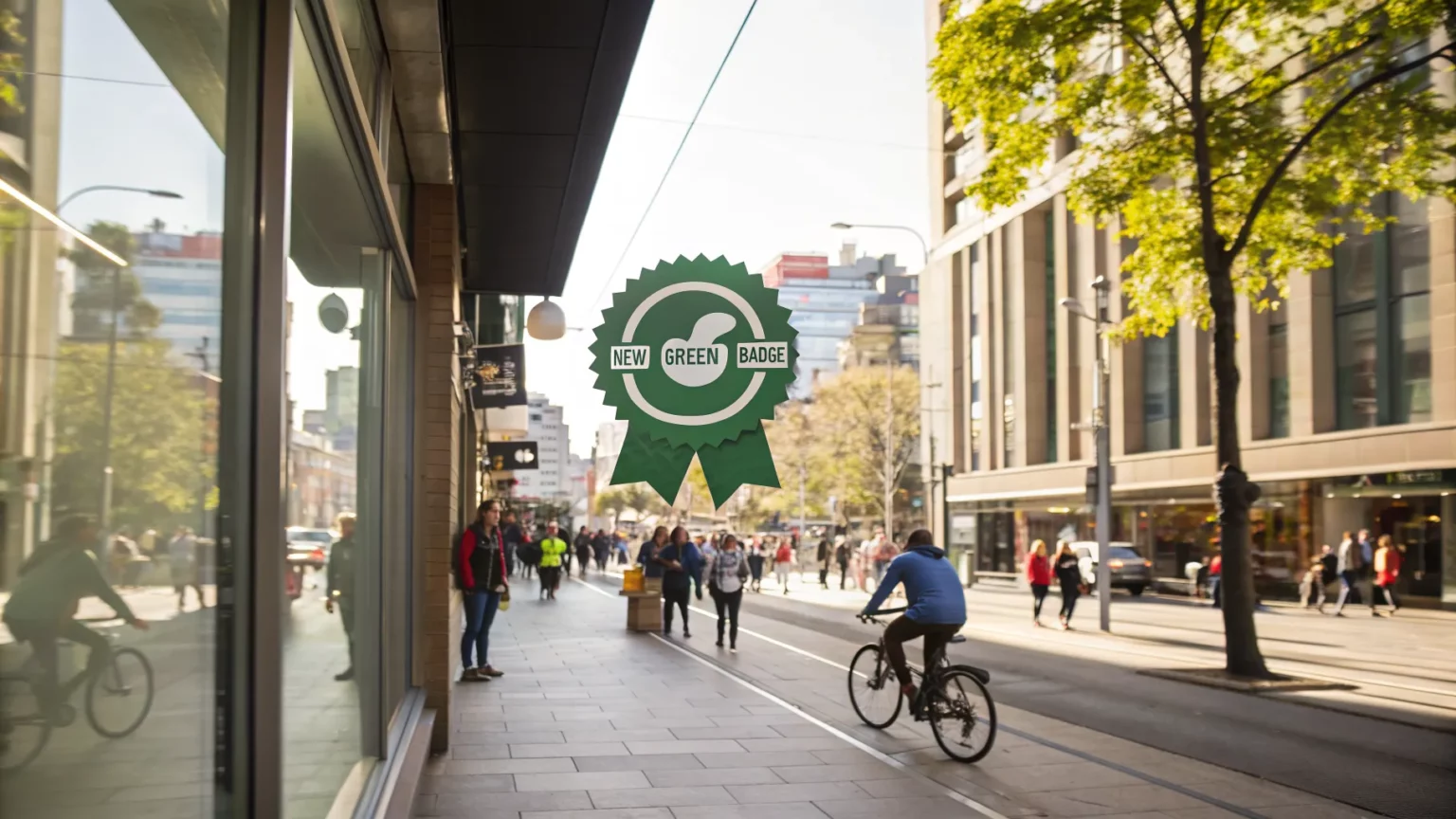
A new “green badge” is set to appear in storefronts and apps across the city this month, signaling that businesses meet updated safety and transparency standards. Officials announced the rollout at City Hall on Tuesday, urging residents to watch for the marker as they shop, dine, and book services. The initiative, backed by the Department of Consumer Protection, will begin in select neighborhoods before expanding citywide over the summer.
The badge aims to make it easier for people to identify trustworthy businesses at a glance. It covers health compliance, data privacy practices, and clear pricing disclosures. Restaurants, retailers, and app-based services can apply, but only those that pass audits will display the symbol.
Why the Badge Matters Now
City regulators say the program responds to rising complaints about hidden fees, murky refund policies, and inconsistent hygiene records since the pandemic. Consumer groups have pushed for clearer signals, arguing that posted grades and privacy notices are easy to miss or hard to read. The green badge is designed to be simple, visible, and tied to a single checklist that applies across industries.
Officials also point to the growth of delivery platforms and online booking. People often make choices in seconds. A clear visual cue could influence those decisions and reward businesses that meet higher standards.
What the Badge Covers
The city developed criteria with input from health inspectors, privacy lawyers, and small business owners. To qualify, companies must pass on-site checks or document reviews. A public dashboard will display who has earned the badge and why.
- Clean safety record and recent inspection compliance for food and personal services
- Upfront pricing with taxes and fees shown before checkout
- Plain-language privacy and data retention disclosures
- Accessible customer support and fair refund options
- Clear labeling for sustainability claims when marketed
Each badge links to a QR code that opens details, including the date of the last review and any conditions that must be corrected.
Voices From the Rollout
“Look for the little green badge.”
That was the core message from a city spokesperson at the launch event, framed as a simple habit for consumers. Health officials added that the mark is not permanent; it can be suspended if a business falls out of compliance.
Small business owners welcomed a single standard but asked for technical help. One café manager said the application was “clear but time-consuming,” especially for first-time applicants. A local privacy advocate supported the uniform label but warned that audits must be frequent to keep it meaningful.



Support and Skepticism
Advocates argue the program could reduce guesswork for families on a budget. If fees are visible early, shoppers can compare prices more fairly. For restaurants, an integrated badge may carry more weight than posting separate signs.
Critics worry about cost and confusion. Some fear that businesses without badges could be seen as unsafe even if they are new or still applying. Others question whether a single symbol can cover different risk levels across industries. The city counters that the online dashboard will show category-specific criteria to avoid mixed messages.
Enforcement and Incentives
Audits will be risk-based, with more frequent checks for higher-risk sectors. Complaints can trigger spot inspections. Officials say penalties for misuse include fines and public notices on the dashboard. To encourage uptake, the city is offering fee waivers for the first cohort and trainings through local chambers of commerce.
Delivery apps and reservation platforms have agreed to feature the badge in search results when available. That placement could nudge more businesses to apply, as visibility drives clicks and bookings.
What to Watch Next
The pilot phase will test whether the badge changes behavior. Regulators plan to track how often people choose badged listings, the rate of repeat violations among participants, and whether customer complaints decline in areas with high adoption. If the results are strong, officials expect the program to expand to contractors and home services later this year.
For now, the advice is simple. When choosing a place to eat, a shop to visit, or an app to book with, the new symbol is meant to make that choice easier. City leaders say success will depend on two things: steady enforcement and whether residents build the habit of checking for the mark.
The next few months will show if a small icon can deliver big clarity. If it does, the model could spread to neighboring counties looking for a quick, visible way to rebuild trust between businesses and the public.