




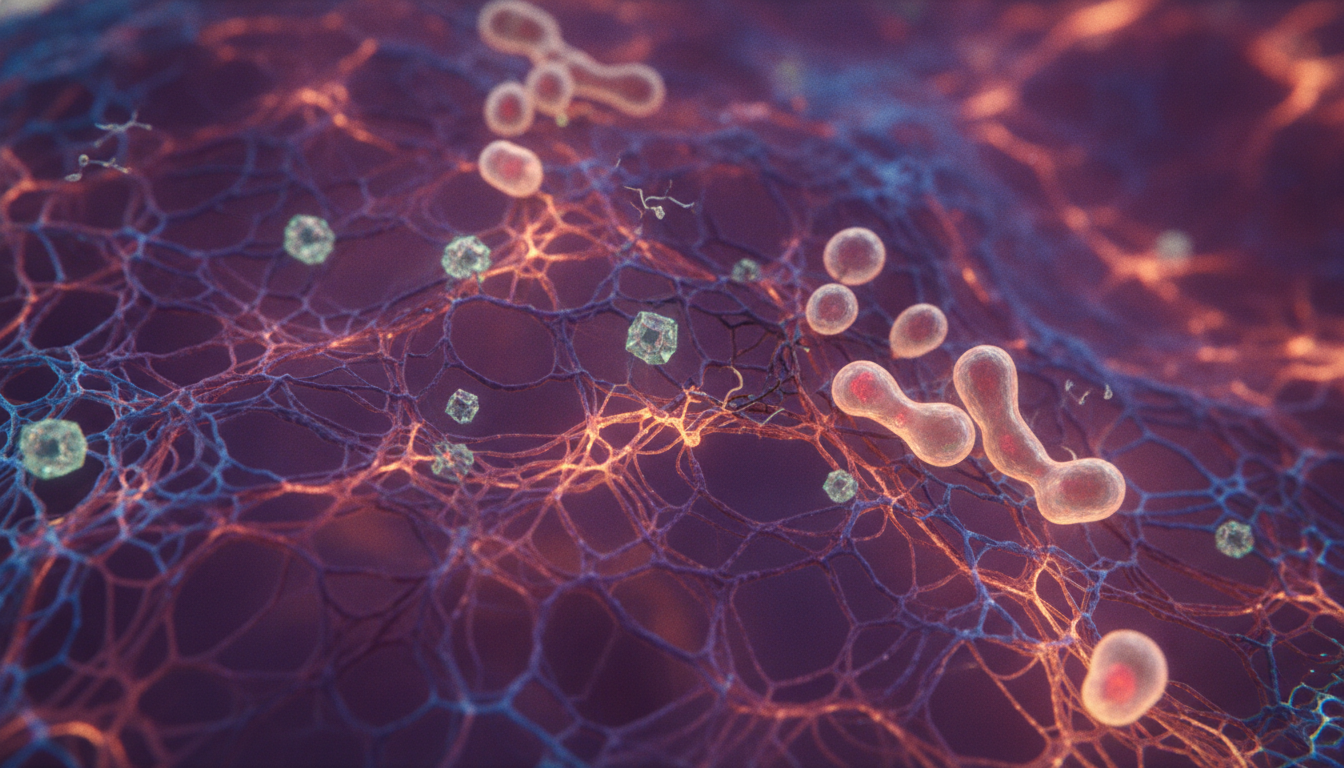
Everyday viral infections could be reshaping the body’s support systems in ways that raise cancer risk over time, according to emerging research and expert discussion. Scientists say routine infections might alter the web of molecules that hold cells and tissues together. These subtle shifts may set the stage for tumors years later. The warning comes as clinicians look for new ways to spot and prevent cancer earlier.
What the Research Suggests
Researchers argue that common infections might not be as harmless as they seem. Even when symptoms fade, the body’s response can leave lasting marks. One summary put it plainly:
Everyday viral infections may be quietly reshaping the body’s network of molecules that support cells and tissues in ways that can raise cancer risk over time.
That “network” refers to the structures that give tissues their form and guide cell behavior. If infections keep nudging that system off balance, experts say, cells could receive the wrong signals. Over many years, that could help cancer take root.
How Infections Alter Tissue Support Systems
When a virus enters the body, immune cells rush in. They release signals that trigger repair and clean-up. This helpful process can also change the proteins and sugars around cells. Those changes can affect how cells grow, stick, and communicate.
Chronic or repeated infections may keep these repair signals switched on. Over time, the scaffolding that supports tissues can harden, loosen, or reorganize. That can create conditions that favor cell stress and DNA damage. Scientists are now studying whether those shifts are a slow link in the chain that leads to cancer.
Context From Known Infection-Linked Cancers
Some infections are already known to raise cancer risk. Vaccines and screening have cut cancers tied to certain viruses. Public health data show that infections account for a significant share of cancers worldwide, including those linked to human papillomavirus and hepatitis viruses.
The new discussion focuses on everyday infections that people often shrug off. The concern is not one single virus, but the long tail of repeated hits to the same tissue systems. If routine illnesses leave small scars, the total effect could add up.
What This Could Mean for Patients
If the theory holds, it could change how doctors think about cancer prevention. It may push care teams to watch for long-term tissue changes after repeated infections. It could also expand the value of vaccines and antiviral care beyond stopping acute illness.



- Better tracking of inflammation and tissue repair after infections.
- Earlier screening in people with frequent or chronic infections.
- Wider use of vaccines that prevent infection in the first place.
Researchers also see promise in drugs that target abnormal tissue remodeling. Such treatments could steady the local environment around cells and lower risk over time.
Debate and Caution From Experts
Cancer researchers welcome the idea but urge caution. Many factors shape risk, including age, genetics, environment, and lifestyle. Pinning down the share due to everyday infections will take time and careful studies. Lab findings must match real-world patterns in large groups of people.
Epidemiologists note that long-term follow-up is essential. They want to link infection history, markers of tissue change, and future cancer diagnoses. If the links hold up, it would point to new strategies for prevention and early detection.
What to Watch Next
Teams are testing whether blood or tissue markers can reveal lasting changes after common infections. Imaging and biopsy studies may map how support structures shift in inflamed tissues. Trials could examine whether antivirals, anti-inflammatory drugs, or anti-scarring therapies reduce later cancer risk.
For now, experts advise steps that already save lives: stay up to date on recommended vaccines, manage chronic infections, and follow screening guidelines. These measures cut known risks while scientists work to clarify the hidden costs of everyday illness.
The idea that routine infections can, in small steps, reshape tissue systems and nudge cancer risk higher is gaining attention. The next phase will test that idea with hard data. If confirmed, it could reshape prevention by targeting not just the virus, but the body’s lasting response. That shift might help catch problems earlier and keep more people healthy in the long run.