




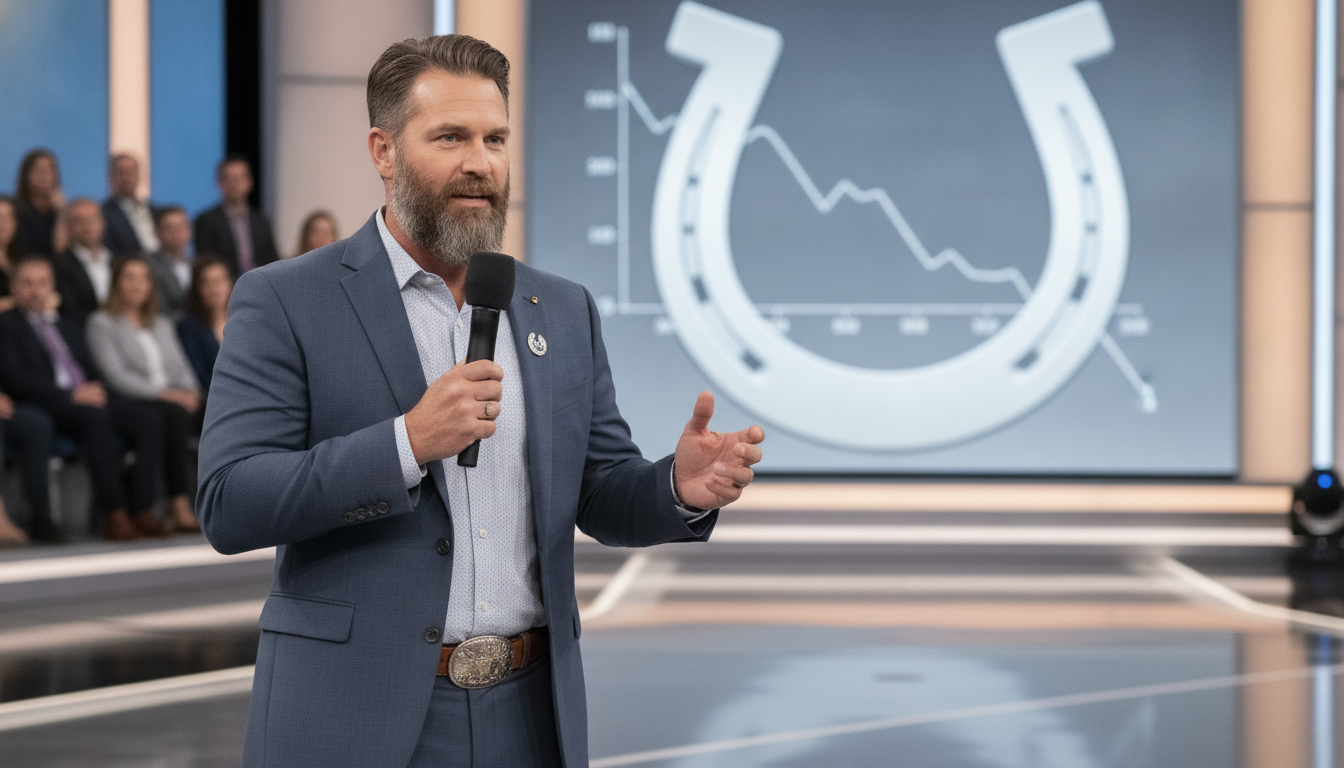
Amid a cooling U.S. beer market, Outlaw Light Beer CEO Ari Opsahl outlined how the company is pursuing national growth while offering lessons to small business owners. Appearing on the Fox Business program Making Money, he discussed falling beer volumes, the brand’s expanding footprint, and what it takes to build in a tight market.
Beer makers have been under pressure as consumers shift spending and choose spirits, ready-to-drink cocktails, and nonalcoholic options. Industry shipments declined in 2023, and early 2024 trends suggest more uneven demand. Opsahl positioned Outlaw’s strategy as a test of focus, pricing discipline, and distribution muscle across the country.
Industry Slowdown Tests Brewers
Domestic beer volume has softened after the pandemic surge faded. Analysts cite a mix of inflation, changing tastes, and more competition from flavored options. According to industry groups, U.S. beer shipments fell in 2023, capping a choppy period for brewers large and small.
Retail data also show consumers trading across categories. Spirits gained share in recent years, while hard seltzer cooled from its peak. Many smaller craft players have closed or sold, and even legacy brands face pricing limits. The pressure has made light beer a battleground for value and consistency.
Outlaw’s Nationwide Push
Opsahl said the company is working to build a national presence, a goal that demands strong distribution and clear shelf positioning. He emphasized that light beer still commands broad reach if the product meets basic consumer needs on taste and price.
To scale, beer companies must secure reliable logistics, steady supply, and repeatable retail execution. That includes chain authorizations, cold-box space, and on-premise placements. Outlaw’s plans focus on meeting those requirements in more markets while staying lean.
- Distribution, especially cold placement, remains central to trial and repeat.
- Clear pricing tiers help shoppers compare across light beer options.
- In-store visibility and sampling can offset lower category traffic.
Pricing, Promotions, and the Shelf
The recent slowdown has raised questions about pricing power. Many brewers lifted prices to offset costs, but consumers are now more price sensitive. Opsahl’s comments pointed to a measured approach, with promotions designed to drive trial without eroding brand value.
Light beer buyers tend to be routine shoppers, so retailers look for steady movement more than novelty. That favors brands that keep packaging simple and inventory predictable. It also rewards suppliers who support joint planning and efficient delivery cycles.



Advice for Entrepreneurs and Small Businesses
Beyond beer, Opsahl shared takeaways for founders facing a tougher sales cycle. He stressed clear goals, careful cash management, and the discipline to test before scaling. The focus is on solving a real customer problem and keeping operations simple enough to adjust quickly.
He also highlighted partnerships. In beverages, that means aligning with distributors and retailers. For other sectors, it can mean choosing vendors who can grow with the business. The common thread is transparency on service levels, timelines, and costs.
Hiring came up as a key risk area. In early stages, roles often overlap. Opsahl’s guidance, implied by Outlaw’s lean buildout, is to prioritize people who can execute repeatable tasks and learn fast. Training and simple metrics help teams stay aligned when demand is uneven.
What the Trend Means for Beer
The category’s near-term outlook is cautious. Fewer impulse purchases and a shift to at-home consumption have changed how brands plan. Companies are focusing on value packs, dependable styles, and marketing that stresses quality and price honesty.
For investors, the message is similar. Growth may come less from novelty and more from disciplined expansion into regions where supply chains and retailer support are strong. Brands that deliver consistent turns can still win shelf space even if the overall category is flat.
Nonalcoholic beer and flavored malt drinks remain swing factors. Some brewers see them as a hedge, but they can also strain focus. Opsahl’s remarks suggest Outlaw will keep attention on its core light beer, betting that simplicity will travel across markets.
The conversation underscored a practical playbook for building in a slower market. Keep pricing clear. Win reliable distribution. Measure every promotion. For entrepreneurs, the broader lesson is to prove repeat demand before chasing scale. As consumer budgets stay tight, the brands that execute cleanly at the shelf are best placed to grow. Industry watchers will look for stabilization in shipments later this year and whether disciplined operators can gain share even as overall volumes soften.