

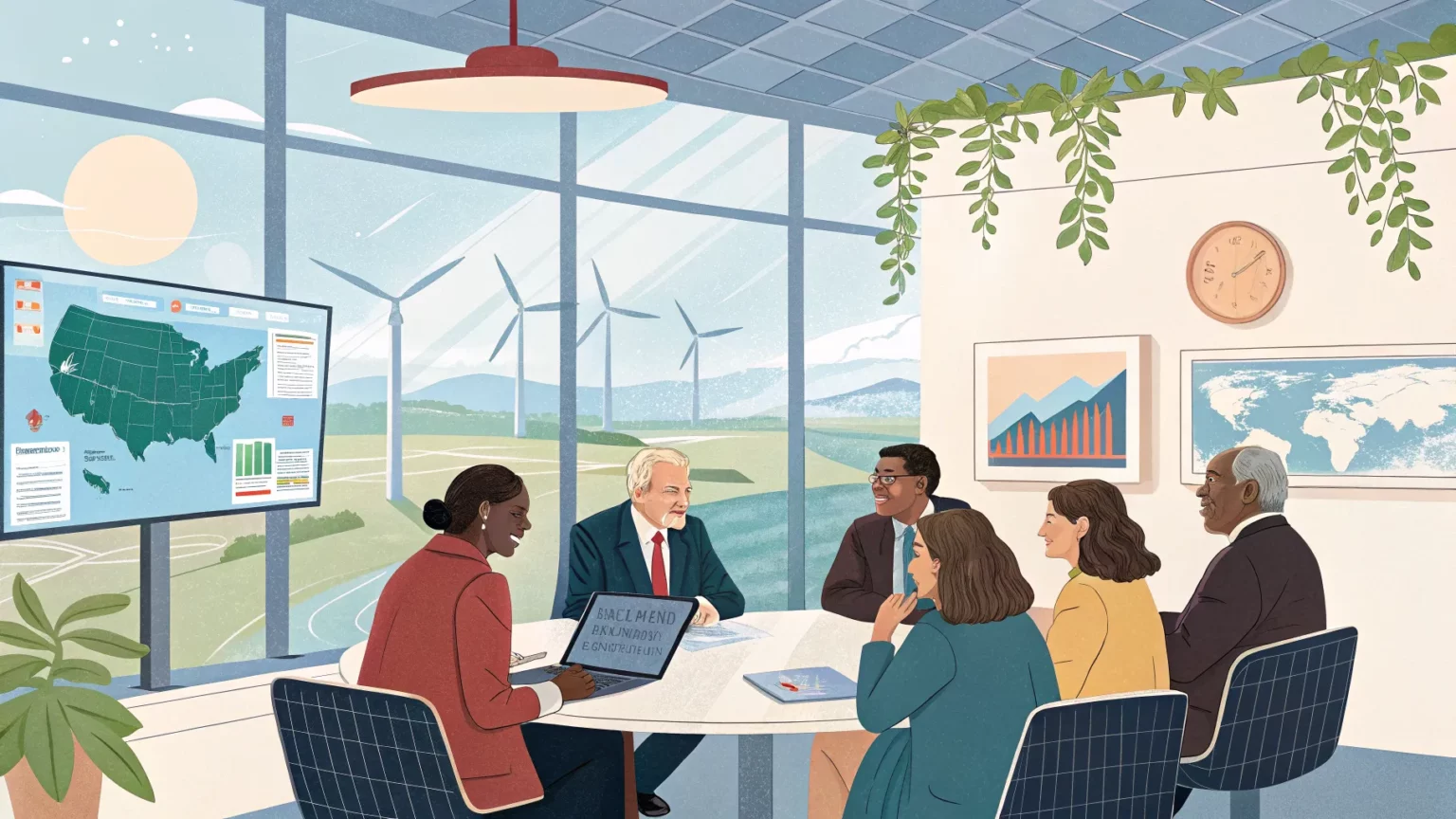
With the midterm elections nearing, Democratic leaders are reconsidering how they talk about climate change and which policies they emphasize. The goal is to connect climate priorities with voter concerns about costs, jobs, and energy security, while holding on to ambitious targets for clean energy and emissions cuts.
The discussion reflects a pragmatic turn. Campaigns are testing messages that stress local benefits, resilience against extreme weather, and pocketbook relief. The shift comes as candidates navigate a tight political map and rising anxiety over utility bills and fuel prices.
“As the midterm elections approach, many leading Democrats are rethinking their approach to climate change.”
Background: Climate Policy Meets Electoral Math
Over the past decade, climate policy has moved from niche issue to central plank in national politics. Voters have seen more frequent heat waves, floods, and wildfires. Business groups have invested in renewables and electric vehicles. States and cities have set goals for clean power.
But election cycles force choices about how to frame those goals. Candidates often weigh climate ambition against short-term economic worries. Polls in recent cycles show strong support for clean energy, but mixed views on measures seen as raising costs.
Democrats have tried linking climate action to jobs, manufacturing, and infrastructure. They have also argued that reducing reliance on volatile fossil fuel markets can protect family budgets over time.
Shifts in Messaging and Emphasis
Strategists appear to be testing plain language that connects climate to daily life. Instead of broad warnings, they are leaning into near-term gains and concrete projects. That includes energy efficiency upgrades, grid reliability, and weatherization that can cut monthly bills.
- Highlight local job creation from clean energy projects.
- Frame home upgrades and efficient appliances as cost savers.
- Stress grid reliability and storm preparedness.
- Tie clean energy to energy independence and national security.
This approach aims to reach swing voters while keeping climate-focused voters engaged. It also reflects lessons from recent seasons of high gas prices and extreme weather, which have shaped voter priorities.
Policy Debates Inside the Party
The rethink is not only about words. It touches how to pace and prioritize policies. Some Democrats favor faster deployment of wind, solar, and transmission lines. They argue that speeding up permits for clean energy can cut costs and emissions sooner.



Others warn that permitting changes must protect communities. They want stronger health safeguards, especially in areas long affected by industrial pollution. This tension shapes how candidates talk about siting projects and building new infrastructure.
There is also debate over incentives versus mandates. Many candidates prefer tax credits and rebates that reward adoption of clean technologies. They say this path is less polarizing and easier to sell to voters. Critics fear incentives alone may not meet long-term targets.
Economic Pitch Takes Center Stage
A central thread in the evolving strategy is an economic pitch. Campaigns spotlight factories making batteries, heat pumps, and grid equipment. They point to construction jobs tied to renewable projects and transmission upgrades.
Supporters argue that these efforts can anchor regional growth and revive industrial towns. They also claim that expanding domestic supply chains reduces exposure to global shocks. Opponents raise concerns about public spending and local impacts of large projects.
To address cost anxiety, candidates are promoting consumer rebates for efficient appliances and electric vehicles. They also cite programs for home insulation and heat pump adoption, framing them as tools to lower bills before winter and summer peaks.
Electoral Stakes and What to Watch
The stakes are high in energy-producing states and fast-growing suburbs. In these areas, voters often weigh job security and commuting costs alongside climate risks. Democrats hope a narrowed focus on cost savings and resilience can win persuadable voters without alienating their base.
Republican candidates are expected to press on energy prices and regulatory burdens. They may back expanded drilling, pipelines, or slower timelines for clean energy buildout. Independent voters will face a clear contrast between rapid transition and an “all-of-the-above” energy pitch.
Key signals to watch include ads highlighting home energy savings, announcements of new manufacturing plants, and proposals to speed grid connections. Community engagement around project siting will also be a test of the revised approach.
The recalibration suggests Democrats see climate not just as an environmental priority, but as an economic and security issue that can win close races. The outcome will hinge on whether promised cost cuts reach households soon enough, and whether voters feel safer and more secure under the plan. As Election Day draws nearer, campaigns will keep refining the message, trying to turn clean energy goals into kitchen-table gains that resonate at the ballot box.