



France’s wine industry is weighing new markets, products and younger consumers as the sector reaches a crisis point. Producers and other industry leaders are reassessing how French wine is made, sold and presented amid pressure on the traditional business model.
The response reflects a wider concern about the industry’s future. French wine carries major economic and cultural value, but past prestige alone may not protect producers from changing tastes, rising costs and tougher global competition.
A Traditional Model Under Pressure
For generations, many French wineries have relied on established regions, protected labels and long-standing sales channels. That system helped build trust in areas such as Bordeaux, Burgundy and Champagne.
Yet the market is changing. Consumers have more choices, including wines from other countries and a growing selection of alternative drinks. Younger adults may also approach alcohol differently from their parents and grandparents.
These shifts can be especially difficult for vineyards tied to strict production rules. Regional standards protect identity and quality, but they may limit how quickly some producers can alter grape varieties, styles or packaging.
Climate pressures add another layer of uncertainty. Heat, drought, severe weather and changing harvest dates can affect yields and wine quality. Smaller growers often have fewer financial resources to absorb a poor season or weak sales.
New Markets Offer a Possible Lifeline
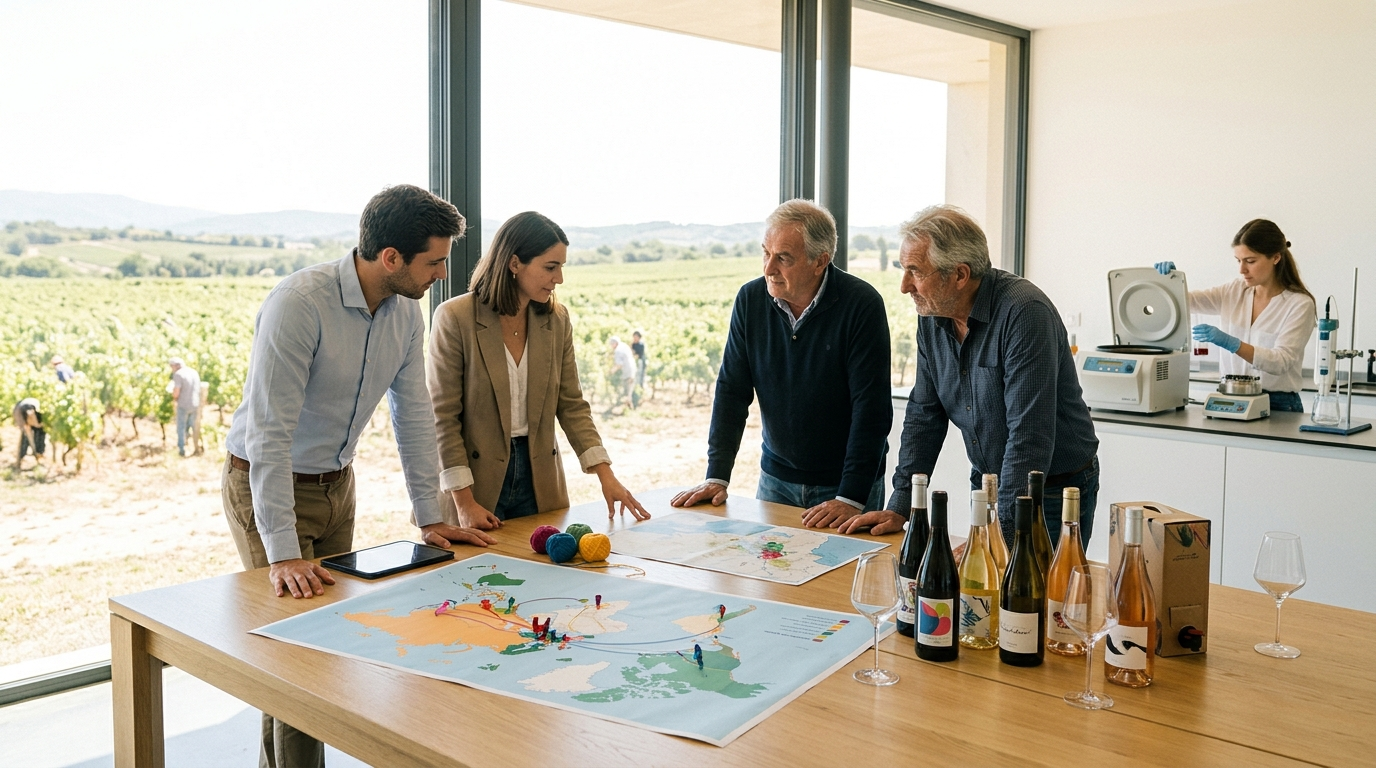
Industry figures are considering whether growth can come from new geographic markets. Export sales have long been important to French wine, but demand varies by country, price range and wine style.
Entering a new market requires more than shipping bottles abroad. Producers must understand local tastes, distribution systems, taxes and labeling rules. They must also explain regional classifications to buyers who may not know French wine traditions.



The main options now under consideration include:
- Expanding sales in countries with rising consumer demand.
- Creating products suited to changing drinking habits.
- Reaching younger buyers through clearer marketing and education.
Diversification could reduce reliance on familiar customers. However, overseas expansion carries costs and may favor larger companies with stronger distribution networks.
Products May Need to Change
New products could help wineries serve consumers who want lighter, simpler or more affordable choices. Packaging, bottle size and alcohol content may also become more important in purchasing decisions.
Such changes present a difficult balance. Producers need to remain relevant without weakening the regional identity that gives French wine much of its value.
Adaptation does not have to mean abandoning tradition. A winery can preserve its history while making labels easier to understand, offering different formats or developing products for new occasions.
Still, innovation brings risk. A product designed around a short-lived trend may fail to attract repeat buyers. It could also confuse existing customers if the winery’s identity becomes unclear.
A Generational Test for Wine Culture
The industry’s focus on new generations may be its most important long-term task. Younger adults often discover drinks through social settings, restaurants and online media rather than family habits or formal wine knowledge.
French producers may therefore need to communicate in clearer language. Messages centered only on classifications, vintages and inherited status can seem distant to first-time buyers.
Education could help, but it must avoid making wine appear complicated or exclusive. Transparent information about taste, origin, food pairing and production methods may offer a more useful entry point.
France’s wine crisis is forcing decisions that can no longer be delayed. New markets may provide demand, while new products may answer changing preferences. Stronger engagement with younger consumers could support future sales.
The test will be whether the industry can make these changes without losing the identity that distinguishes French wine. The next steps taken by producers, merchants and regional groups will show whether adaptation can stabilize the sector or merely slow its decline.