




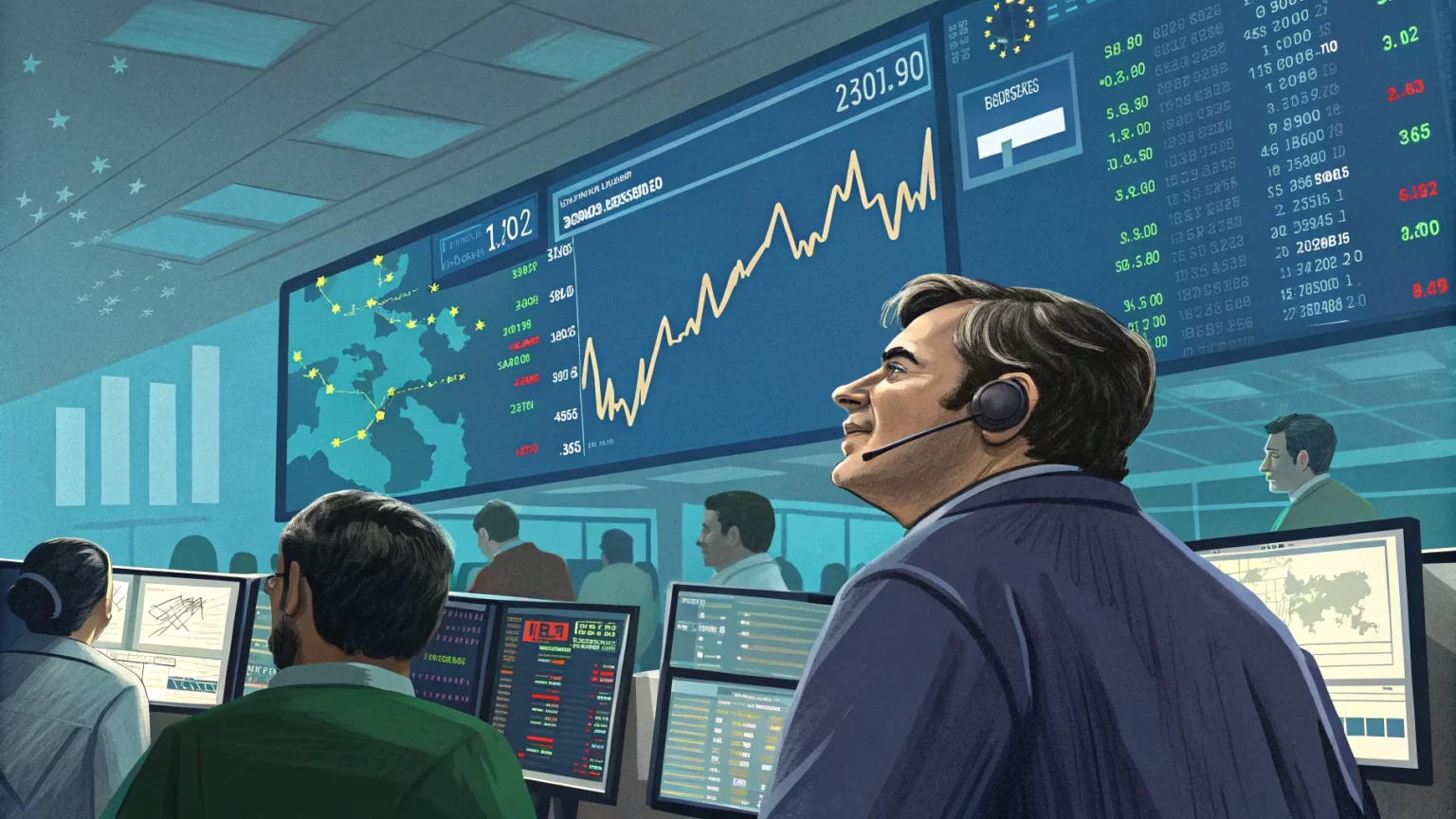
A quiet surge in technology shares is cutting through a bleak spell for European equities as investors brace for an energy shock tied to conflict in the Middle East. The move has unfolded in recent sessions across major European markets, where worries about growth have grown. While energy costs bite into industry and consumer spending, tech names have advanced, drawing in cash seeking shelter and earnings resilience.
The split is stark: weakness in energy-heavy and cyclical sectors contrasts with strength in software, semiconductors, and digital platforms. The shift is happening as traders weigh supply risks, higher input costs, and fading confidence indicators. It has left many asking whether technology can keep leading if the broader economy slows.
Tech Gains Defy a Gloomy Tape
“A strong rally in tech stocks has largely gone under the radar against a darkening backdrop for European equity markets as the energy shock triggered by the Iran war dampens economic growth.”
That assessment reflects a growing market theme. While headline indexes have wobbled, sector data show consistent inflows into large-cap tech groups with global revenue streams. Many of these companies earn in dollars, sell digital products with high margins, and have less direct exposure to fuel and power costs.
Fund managers point to steady end-demand for cloud services, cybersecurity, and AI-linked infrastructure. Even as order books soften in parts of manufacturing and retail, recurring software revenue has looked steadier. This gap helps explain why tech benchmarks have outperformed broader European gauges this month.
Energy Prices Squeeze Europe’s Growth Engine
Higher energy costs can hit Europe fast. Heavy industry relies on gas and power, and transport costs pass through to food and household bills. That strain reduces corporate margins and consumer confidence. Governments face tougher budget choices as they consider relief measures and storage strategies.
Europe has navigated energy shocks before, including the 2022 surge after Russia’s invasion of Ukraine. Then, policymakers expanded LNG imports, boosted conservation, and adjusted price caps. Today, storage levels and diversified supply help, but new geopolitical risks keep price volatility elevated. Each spike complicates planning for factories and small businesses.
Why Investors Are Rotating Into Tech
Several forces are pushing money into technology:
- Lower direct sensitivity to gas and power costs.
- Recurring revenue from subscriptions and long-term contracts.
- Exposure to global demand, reducing reliance on local growth.
Some asset managers also treat large tech firms as quasi-defensive in slowdowns. Balance sheets carry more cash, and many can slow hiring or capital spending if needed. That flexibility appeals when margins in other sectors are under stress.



Risks That Could Test the Rally
The tech surge is not without hazards. Valuations have climbed, raising the bar for earnings. Any miss on growth targets could spark quick reversals. If interest rates stay high or rise again, discount rates on future cash flows would weigh on share prices, especially for longer-duration growth stories.
There is also execution risk. AI-linked spending cycles can shift. Hardware supply chains remain sensitive to shipping and commodity costs. A stronger euro or weaker dollar could trim reported revenue for firms selling into the United States. And if the energy shock worsens, a deeper downturn could dent ad spending and enterprise budgets.
What History Suggests
Past periods of stress offer clues. During energy-driven slowdowns, markets have often favored companies with pricing power, recurring sales, and asset-light models. Technology firms tick many of those boxes. In 2020–2022, software and select chipmakers outpaced broad indexes, even as other sectors struggled with supply and energy issues.
But leadership can change quickly. When energy prices eased in late 2022 and early 2023, cyclicals and value shares rebounded. That swing shows how sector leadership often tracks shifts in inflation, rates, and growth expectations. Today’s setup looks similar: if energy pressures fade, breadth could improve; if they persist, tech could keep its edge.
The Policy and Earnings Watch
Central bank signals remain a key driver. Clear guidance on the path for rates would shape discount rates and currency moves. Fiscal steps on energy support and storage could also calm markets. On the micro side, the next earnings cycle will test whether demand for cloud, AI infrastructure, and cybersecurity matches investor hopes.
Traders will study order backlogs, pricing comments, and hiring plans. Any data showing resilience in digital spending could extend the rally. Weak guidance would do the opposite.
For now, the quiet rise in technology shares stands out against a darker market mood. The divergence reflects pressure from higher energy costs and a search for steadier profit streams. The next few weeks will hinge on energy headlines, policy signals, and earnings. If growth headwinds intensify, investors may keep favoring balance-sheet strength and recurring revenue. If energy tensions ease, leadership could broaden, giving Europe’s market a wider path forward.