




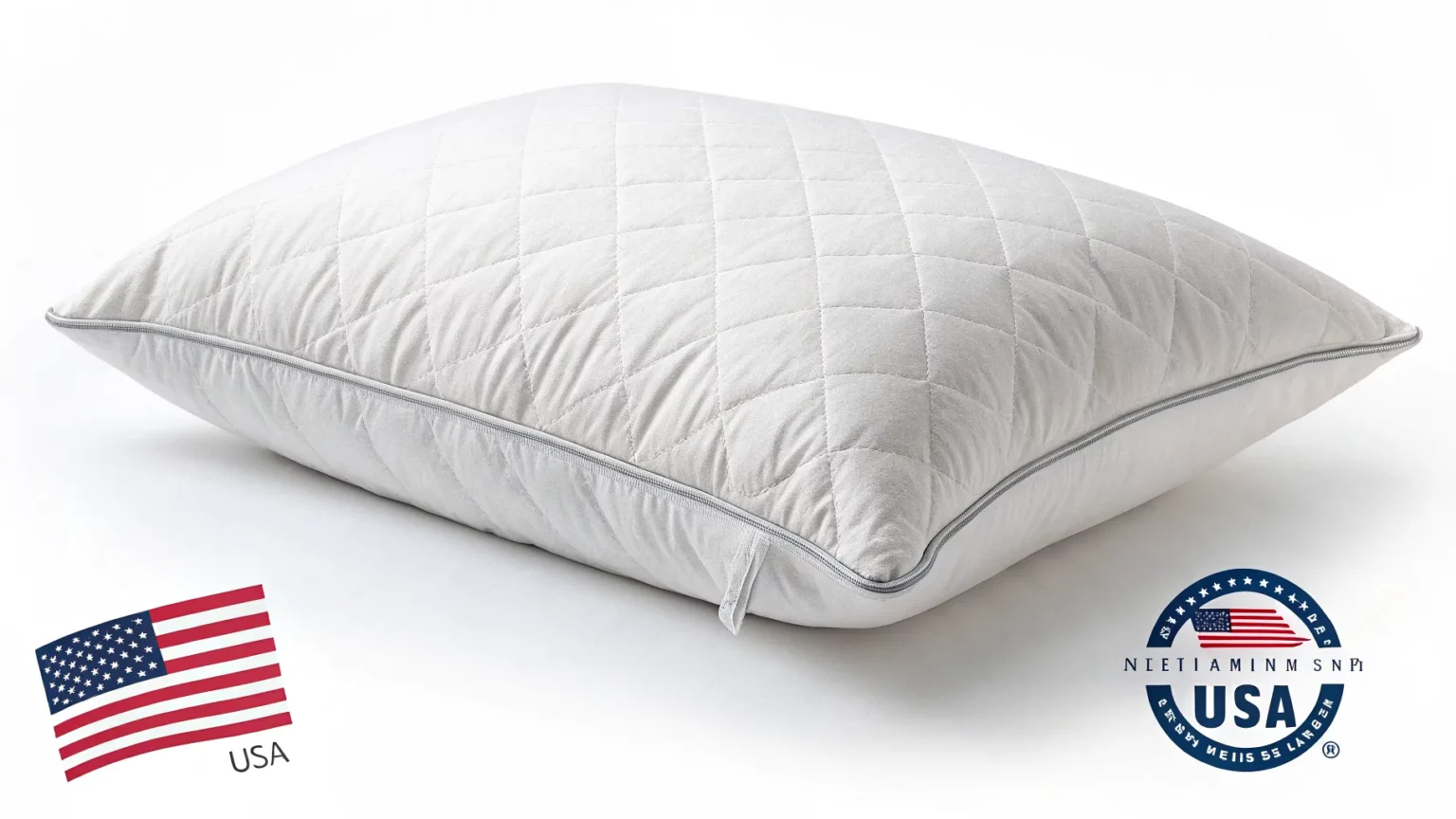
Appearing on Fox Business’ Varney & Co., entrepreneur Karen Post spotlighted a new home-goods label built on a simple idea: make a pillow in America and sell a story about grit and prosperity. The conversation comes as manufacturers, retailers, and shoppers weigh the value and cost of buying goods produced in the United States.
Post, founder of the American Prosperity Pillow, used the national platform to frame her product as both a decorative item and a statement about values. The segment reflects a growing push by small brands to link origin, quality, and identity at a time when the economy, supply chains, and consumer confidence remain in flux.
A Pitch Rooted in Patriotism
“American Prosperity Pillow founder Karen Post joins Varney & Co. to discuss her made-in-USA product that celebrates patriotism, prosperity and American grit.”
Post’s message taps into a steady current in retail: consumers who want to support domestic jobs and trust what is made at home. For small companies, the “made here” label can help stand out in a crowded market. It also gives a clear talking point for television, social media, and store displays.
The pitch, however, must convert interest into sales. Price remains a key test. U.S. production often costs more due to labor, materials, and compliance standards. Brands that sell origin and ideals need to show durability, design, and comfort that justify a higher price tag.
Why “Made in USA” Still Sells
Consumer surveys across the last decade have found steady interest in domestically produced goods. Shoppers often cite job support, quality control, and shorter shipping times. Retailers report that clear origin labeling and honest supply-chain details can lift conversion, especially around national holidays and gifting seasons.
Economists say demand for U.S.-made items is strongest in categories where quality, safety, or identity are central—such as food, children’s products, and home goods. For home decor, tactile feel, stitching, and fabric choice matter. If a pillow holds its shape and resists pilling after months of use, customers tell others. Word-of-mouth can offset thin marketing budgets for young brands.
Manufacturing Reality: Costs and Capacity
Rebuilding domestic textile production has limits. While some mills have expanded since the pandemic, many inputs—zippers, threads, and specialty fabrics—still come from abroad. Entrepreneurs often assemble or finish products domestically while sourcing parts from multiple countries.
This hybrid approach can meet demand and keep prices within reach, but it complicates “made here” claims. Federal labeling rules require that a product advertised as made in the United States be “all or virtually all” domestic in content. Brands must document sourcing to avoid legal risk and protect trust.



For small firms, volume is another challenge. Large retailers expect consistent supply. New labels tend to start direct-to-consumer, learn from returns and reviews, then approach boutiques or regional chains with tighter forecasts.
Marketing the Message Without Overreach
Patriotic branding can attract buyers, but it can also draw scrutiny. Some consumers dismiss flag-heavy packaging as a marketing tactic unless the product performs and the supply chain is clear. Experts suggest a measured approach: lead with product features, back them with origin facts, and let customers connect the values on their own.
- Be specific about materials and assembly locations.
- Show production steps with photos or short videos.
- Offer straightforward care instructions and warranties.
Price transparency also helps. If a pillow costs more because workers are paid fair wages or materials are U.S.-sourced, say so plainly. Clear value statements reduce sticker shock and build loyalty.
What Industry Watchers Are Watching
Analysts are tracking whether interest in domestic goods holds as inflation cools and shoppers return to hunt for deals. Seasonal spikes around Memorial Day, Independence Day, and Veterans Day can boost sales for patriotic items. The test is repeat buying and off-season demand.
E-commerce data will offer early clues for brands like Post’s. Cart abandonment rates, return reasons, and review language can guide fabric choices, fill materials, and stitching methods. If early customers praise comfort and build, wholesale conversations get easier.
Post’s television appearance signals a bet that values-driven products can win shelf space and attention. The next phase will depend on supply stability, honest labeling, and product performance in living rooms, not studios. For shoppers, the calculation remains simple: if a U.S.-made pillow delivers comfort, holds up over time, and feels worth the price, it earns its spot on the couch. For makers, the opportunity is real—but so are the costs. The market will judge both, one household at a time.