



Labor Day began as a worker-led campaign for recognition, long before it became a familiar marker on the American calendar.
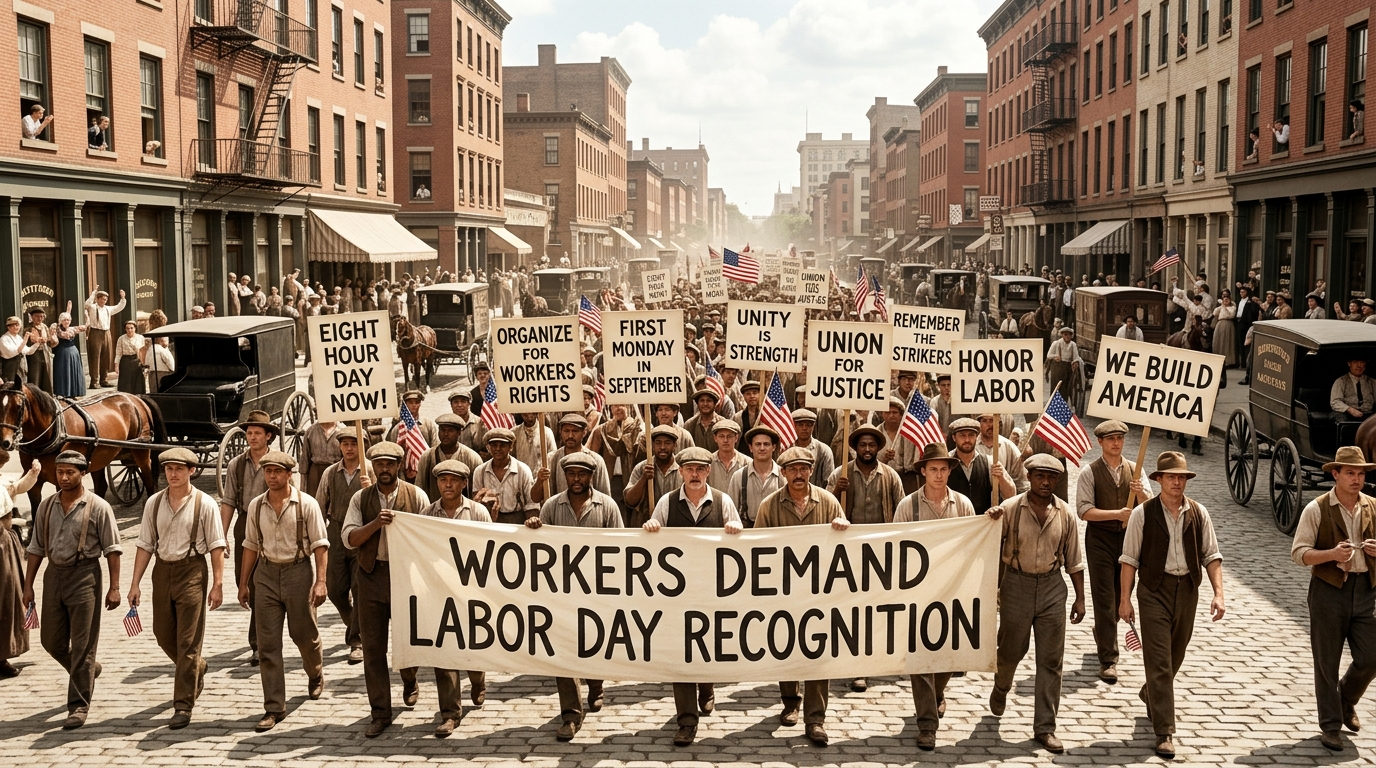
The first U.S. celebration took place in New York City on Sept. 5, 1882, according to an Associated Press account of the holiday’s history. About 10,000 workers joined a parade organized during a period of rising labor activism.
The event reflected a clear goal: activists wanted a day that paid tribute to workers and recognized their role in the nation’s economic life. Its origins also show that organized workers, rather than public officials, drove the early effort.
A March Built Around Recognition
The scale of the first celebration made it a major public statement. Bringing roughly 10,000 workers into New York’s streets gave the campaign visibility and showed broad interest in formal recognition.
The date also matters. The September 1882 gathering occurred in the late 19th century, when labor activists were seeking a stronger public voice. The parade offered workers a shared setting to express pride in their jobs and solidarity with one another.
Activists sought “to establish a day that would pay tribute to workers,” according to the historical account.
That purpose placed workers at the center of the occasion. Rather than focusing on a single occupation, the celebration presented labor as a shared part of American life.
From Activism to Public Tradition
The first parade illustrates how civic traditions can begin outside government. Labor advocates organized a visible event, attracted thousands of participants and promoted an idea that could be repeated.
Several details define the holiday’s early story:


- The movement emerged during the late 1800s.
- New York City hosted the first U.S. celebration.
- The event occurred on Sept. 5, 1882.
- About 10,000 workers marched in the parade.
- The stated purpose was to honor workers.
Those facts separate Labor Day’s origins from its later customs. Modern observances may include travel, shopping or end-of-summer gatherings. The first event, however, was rooted in public action and worker recognition.
Why the History Still Matters
The founding story offers context for current debates about work, wages and employee treatment. It does not settle those disputes, but it explains why the holiday carries civic meaning.
The parade also showed the value of collective visibility. Individual workers often had limited public influence. A march involving thousands turned their shared concerns and contributions into a public event.
At the same time, the available historical details leave some questions unanswered. The brief account does not identify the parade’s named organizers, participating trades or immediate policy demands. Those limits call for care when interpreting the event’s full political meaning.
Still, its central purpose is clear. Labor Day grew from an organized effort to honor working people. The 1882 march remains an important reminder that the holiday began with workers seeking recognition, not simply another day away from work.
As Labor Day returns each September, its earliest history offers a practical measure for its meaning. Public celebrations may change, but the original focus remains the contribution and dignity of workers.