




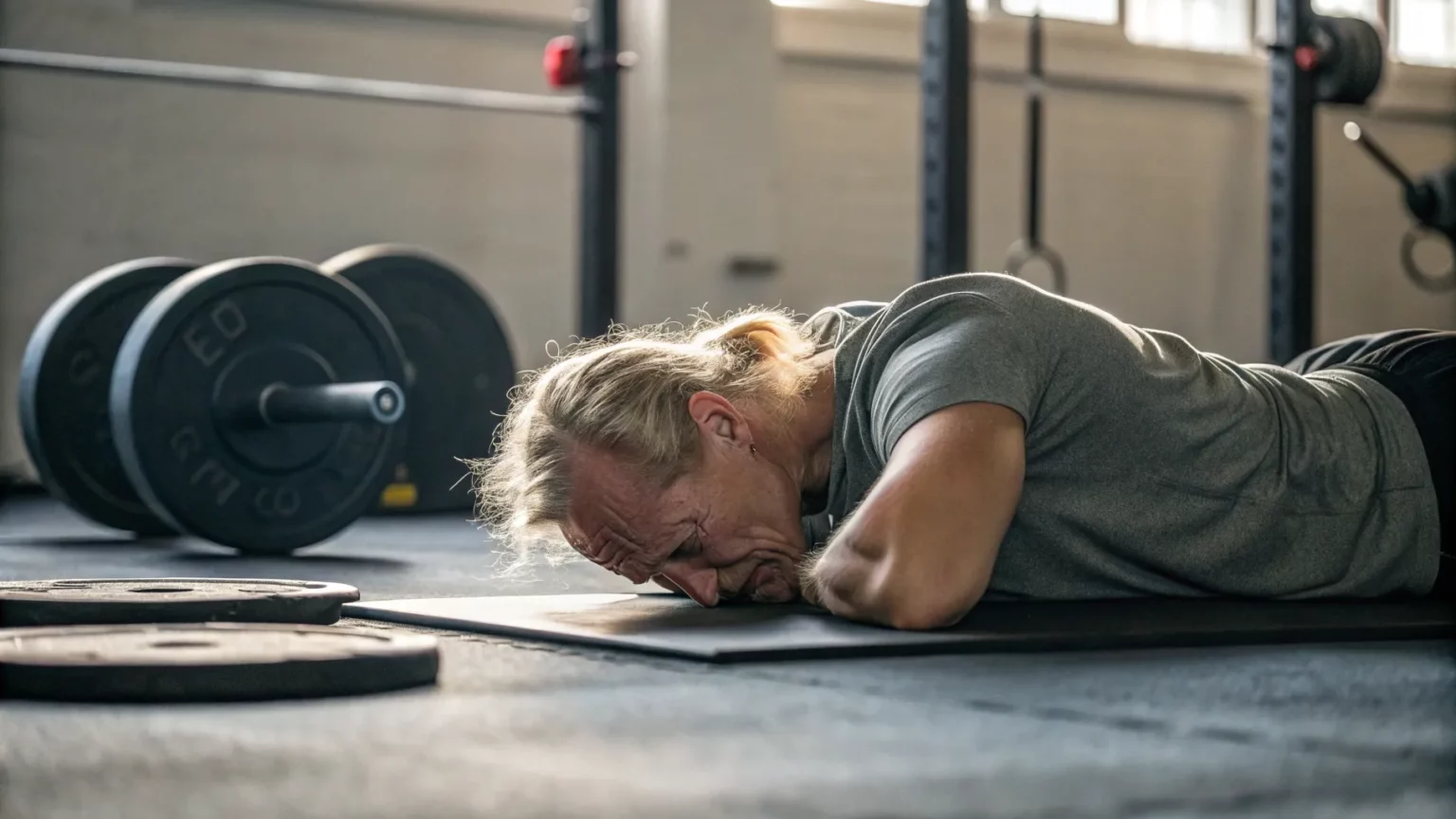
An amateur lifter’s account of stalled progress, hair loss, and exhaustion is drawing fresh attention to a common problem in the gym: not eating enough to match training demands.
The athlete, who had been lifting regularly, noticed strength gains stopped and health signs slipped. The change came only after a simple shift in daily meals. The episode highlights a wider issue among active people who balance work, fitness, and recovery without a plan.
“I was strength training, but not getting stronger. I was also losing hair and fatigued. I realized I needed to eat more, and adjusting my diet helped.”
Background: When Training Outpaces Fuel
Sports dietitians warn that low energy intake can blunt progress. The body needs calories and protein to repair muscle after lifting. It also needs carbohydrates to restore glycogen and support the nervous system.
When intake falls short for weeks, people may see slower recovery, irritability, poor sleep, and falling performance. Hair shedding and brittle nails can appear if energy or key nutrients stay too low.
Coaches say the problem is widespread among recreational athletes who train hard but skip meals, chase weight loss, or underestimate needs. Some lift in fasted states or keep “cutting” for too long, even while chasing strength goals.
Inside the Gym: The Energy Balance Problem
Strength gains depend on progressive overload and recovery. Recovery needs fuel. Without enough calories, the body saves energy. It reduces nonessential functions and slows muscle building.
In this case, the athlete connected poor results with fatigue and hair loss. The fix started with more food. That likely raised total energy, protein, and carbohydrate intake, which can support training volume and effort.
Trainers point out that diet changes can have quick effects. Within weeks, people report stronger sessions and better sleep. Hair and skin improvements can take longer, since those reflect months of status.


Expert View: What To Eat and Why
Sports nutrition guidance for lifters often includes steady protein across the day, with extra focus after workouts. Carbohydrates around training can restore glycogen and sustain power in later sets. Fats support hormones and satiety.
- Protein: spread across meals and snacks.
- Carbohydrates: include before and after lifting.
- Fats: include from whole-food sources.
- Fluids and electrolytes: match sweat losses.
Micronutrients also matter. Iron, zinc, and B vitamins support energy and hair health. Low intake can worsen fatigue. A diet higher in whole grains, legumes, dairy or fortified options, eggs, fish, meat, nuts, seeds, fruits, and vegetables helps close gaps.
Other Causes and Caution
Nutrition is not the only factor behind hair loss and fatigue. Thyroid disease, anemia, high stress, and some medications can play a role. So can under-recovery from too many high-intensity sessions.
Healthcare providers advise checking symptoms that persist. Basic lab work can look for iron deficiency, thyroid issues, or low vitamin D. A plan that pairs food changes with training adjustments is often most effective.
Coaches also warn against swinging to excess. Rapid calorie increases or heavy reliance on ultra-processed snacks can cause digestive issues. Tracking portions for a short period may help gauge needs without fixation.
Trends in the Gym: Fueling for Progress
Gyms report more people lifting for general health. Many come from diet-focused programs that emphasize restriction. That mismatch can block strength goals. As more turn to resistance training, demand for simple fueling plans is rising.
Practical steps often work better than rigid rules. People who add a pre-workout snack, a post-lift meal, and an evening protein serving tend to recover faster. Sleep and stress control complete the picture.
What This Means for Everyday Lifters
The athlete’s experience shows how early warning signs can appear. Stalled lifts, unusual shedding, and deep fatigue are red flags. Matching food to training can restore momentum.
Small changes may help:
- Add a carbohydrate and protein snack 60–90 minutes before lifting.
- Eat a balanced meal with protein and carbs within two hours after.
- Include fruits, vegetables, and iron-rich foods across the week.
- Adjust training volume if sleep and energy lag for several days.
The account offers a clear lesson. Progress in the gym is not just about sets and reps. It depends on recovery powered by food, rest, and smart planning. Lifters who match intake with effort are more likely to gain strength and feel well. Watch for persistent fatigue or shedding, and seek medical advice if symptoms continue. The next test for many will be simple: fuel the work, then watch the bar move again.