




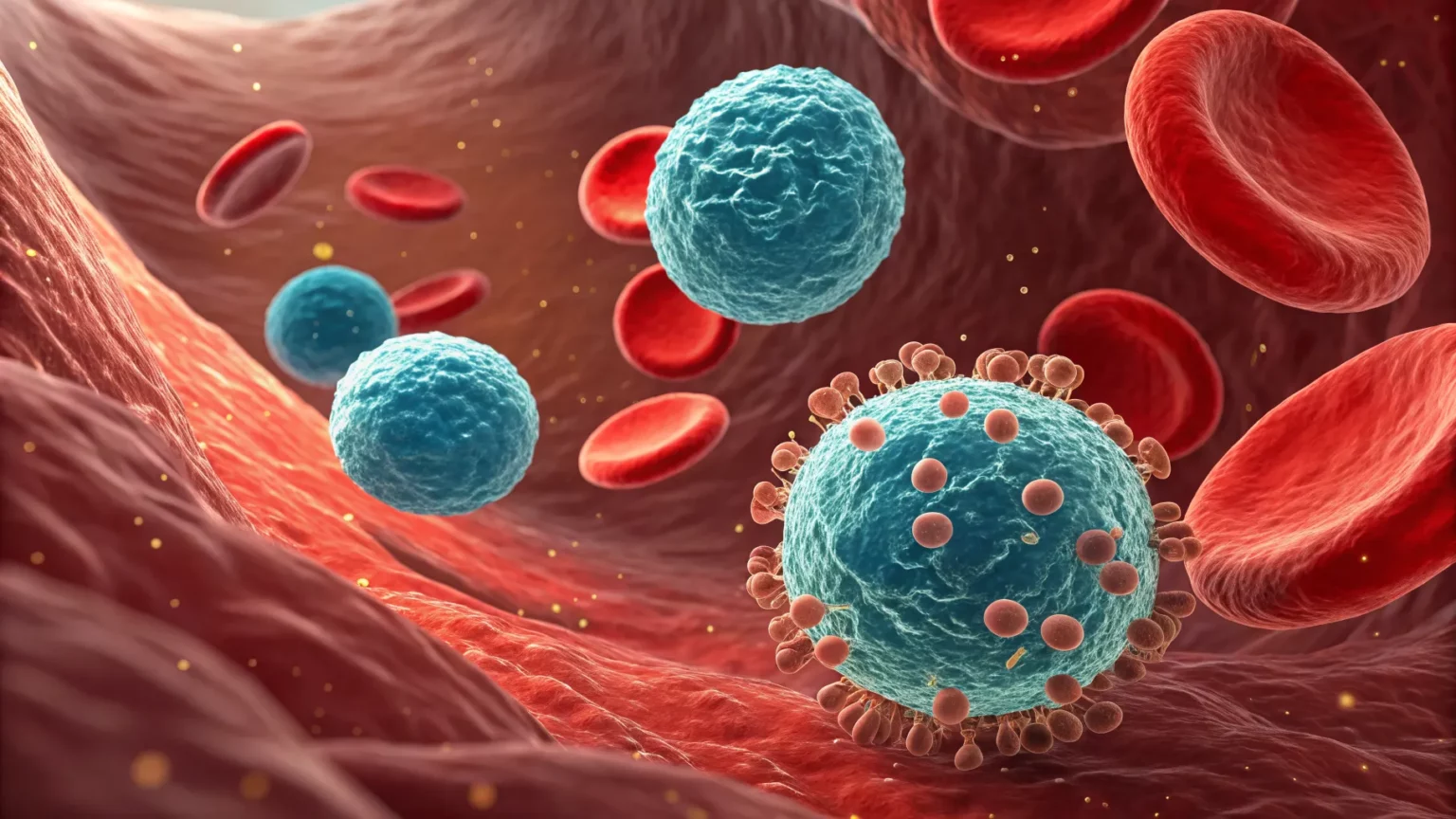
Scientists report a way to revive aging blood stem cells by calming overactive lysosomes, a cellular waste-and-recycling system that surges with age and stokes inflammation. The team says the approach restored youthful behavior in these cells and improved the production of balanced blood and immune cells, a goal many labs have sought for years.
The work centers on hematopoietic stem cells in bone marrow. These cells maintain blood and immune systems, but their performance drops with age. The reported method targets lysosomal stress that builds up over time. By dialing down this stress, the researchers saw stronger regeneration and a healthier mix of blood cell types.
Why Aging Blood Stem Cells Falter
Hematopoietic stem cells, or HSCs, sit at the top of the blood system. In youth, they replenish red cells, platelets, and a variety of immune cells. Over decades, their numbers and precision fade. Older HSCs often tilt production toward myeloid cells and away from lymphoid cells, which can weaken immune defenses.
Scientists have long blamed chronic inflammation, DNA stress, and metabolic shifts. The new report points to lysosomes. These small sacs handle cellular cleanup and recycling. When they run hot or break down, waste accumulates. That waste can set off inflammatory signals that push HSCs into poor decisions and limit repair.
“As blood stem cells age, their lysosomes become overactive and damaged, triggering inflammation and weakening the body’s ability to regenerate healthy blood and immune cells.”
The description aligns with a broader pattern seen in aging tissues. Long-term, low-level inflammation can sap stem cell fitness and reduce resilience after infection, chemotherapy, or blood loss.
How Calming Cellular “Overdrive” Helped
The group targeted the lysosomal “overdrive” and reported a reversal of dysfunction. They describe a measurable lift in the ability of old HSCs to repopulate blood and to produce a more even mix of cell types. While the summary does not list a specific drug or genetic tool, it points to a strategy: restore lysosomal balance to quiet inflammation at its source.
“By calming this cellular ‘overdrive,’ researchers restored the stem cells’ youthful function, dramatically boosting their ability to regenerate and produce balanced blood cells.”
That balance matters. An immune system that can form both lymphoid and myeloid cells is better able to respond to new vaccines, fight infections, and prevent harmful clonal growth.
What It Could Mean for Patients
The findings speak to several medical needs. Older adults face higher risks of anemia, infection, and slow recovery after illness. Cancer survivors often struggle with bone marrow stress after treatment. Transplant donors and recipients could also benefit if aging HSCs can be refreshed before collection or infusion.

- Healthier blood formation could improve recovery after chemotherapy or radiation.
- Balanced immune cell output may enhance vaccine responses in older adults.
- Better stem cell fitness could lower complications in transplants.
If future studies confirm safety, lysosome-focused therapies might pair with existing care, such as growth factors, to support marrow recovery. Any clinical move would need careful testing, since over-suppressing cellular cleanup could cause other problems.
Placing the Study in Context
Efforts to restore stem cell function have explored inflammation blockers, metabolic tuning, and changes to the bone marrow niche. The lysosome pathway connects these themes. It sits at a hub where waste handling, nutrient sensing, and immune signaling meet. Adjusting it may correct multiple faults at once.
Experts caution that lab gains do not always translate to lasting benefits in people. Durable improvement will likely require dosing that restores order without impairing essential recycling. Biomarkers of lysosomal activity and inflammatory tone could guide that balance in trials.
What To Watch Next
Key questions remain. Which interventions best restore lysosomal health in human HSCs? How long do benefits last? Can the approach reduce age-linked blood problems without new risks? Answers will likely come from animal studies followed by small human trials focused on safety, dose, and early signs of better blood formation.
Independent teams will also test whether calmer lysosomes improve vaccine responses or speed recovery after hospital stays. If results align, this pathway could become a new lever for healthy aging of the blood and immune system.
The report offers a clear message: tune a stressed cleanup system, and old stem cells can act young again. The next steps are to define the method, prove safety, and measure real-world gains for patients who need stronger blood and immune repair.