




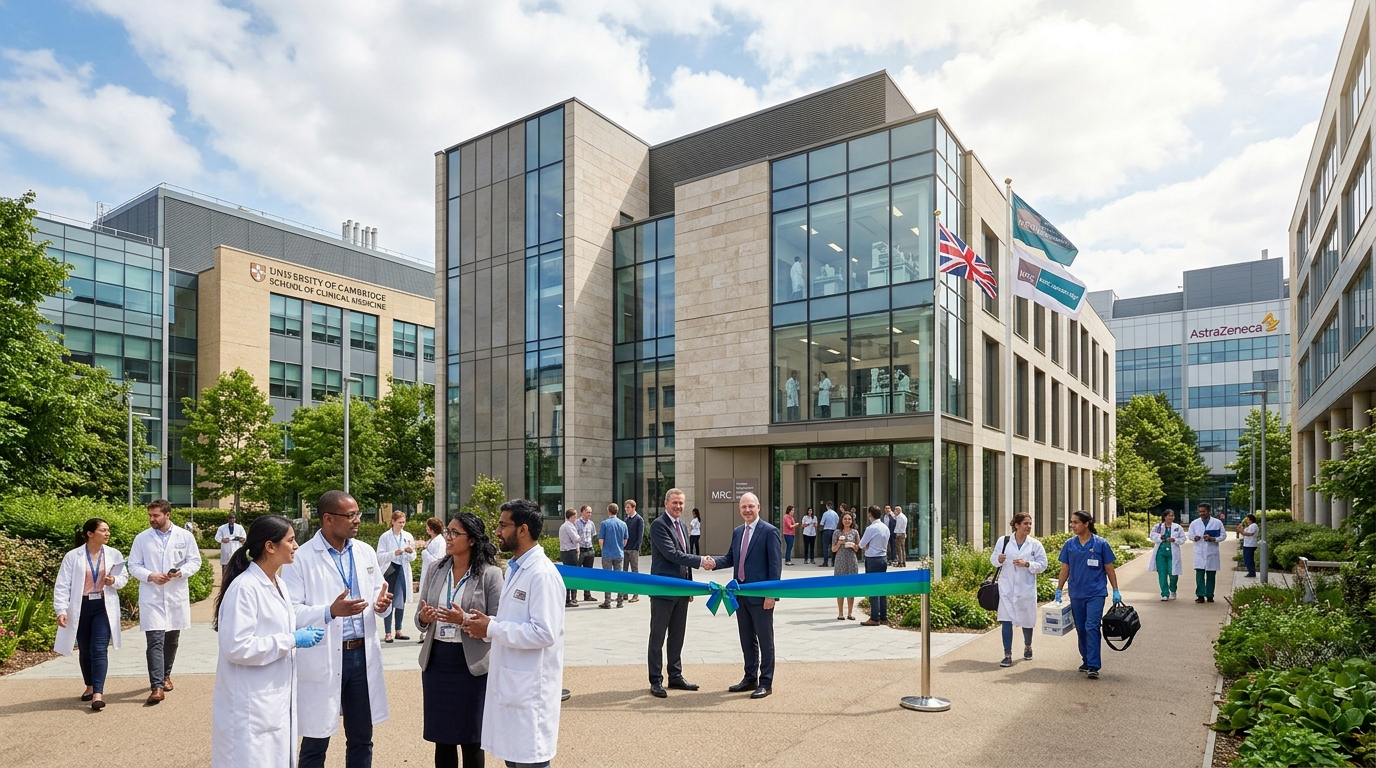
A new research hub is being funded by the Medical Research Council and based at the Cambridge Biomedical Campus, placing it within a major center for medical work.
The announcement confirms the hub’s financial backer and location. However, it does not identify the hub’s research focus, launch date, budget, leadership, or planned projects.
Public Funding Supports the Hub
The Medical Research Council’s involvement establishes a clear funding link to medical research. Funding can support staff, facilities, equipment, and research programs, although no spending plan has been disclosed.
“The hub is funded by the Medical Research Council and based at Cambridge Biomedical Campus.”
The statement does not say whether the funding is temporary or long term. It also leaves open whether other institutions or financial partners will participate.
Those details will help determine the hub’s size and reach. A funding total would also allow researchers and the public to assess the scale of the commitment.
Cambridge Location May Aid Collaboration
Locating the hub at Cambridge Biomedical Campus could place researchers near clinical and academic teams. Such proximity may make it easier to share expertise, coordinate studies, and connect research with patient needs.
Still, the announcement does not name any formal partners. It provides no information about planned links with hospitals, universities, laboratories, companies, or patient groups.
The location alone does not show how the hub will operate. Its impact will depend on its mission, staffing, access to facilities, and ability to turn research into measurable results.



Key Questions Remain Unanswered
Further information is needed before the project’s likely effect can be assessed. The main unanswered questions include:
- Which diseases or medical challenges will the hub study?
- How much funding has been awarded, and for how long?
- Who will lead the hub and oversee its research?
- Which institutions will take part in its work?
- How will progress and public benefit be measured?
Clear answers would help show whether the hub will focus on basic science, clinical research, technology development, or another area. They would also clarify how patients and researchers may benefit.
Accountability Will Shape Its Impact
Research hubs often depend on shared goals and steady coordination. Public reporting on funding, projects, and results can help demonstrate whether those goals are being met.
For now, the confirmed facts are limited but significant: the Medical Research Council is providing funding, and the hub will operate from Cambridge Biomedical Campus. The next announcements should define its purpose, timetable, leadership, and expected outcomes.
Those details will decide whether the hub becomes a focused research program or a wider partnership. Its future importance will rest on the work it funds and the evidence it produces.