




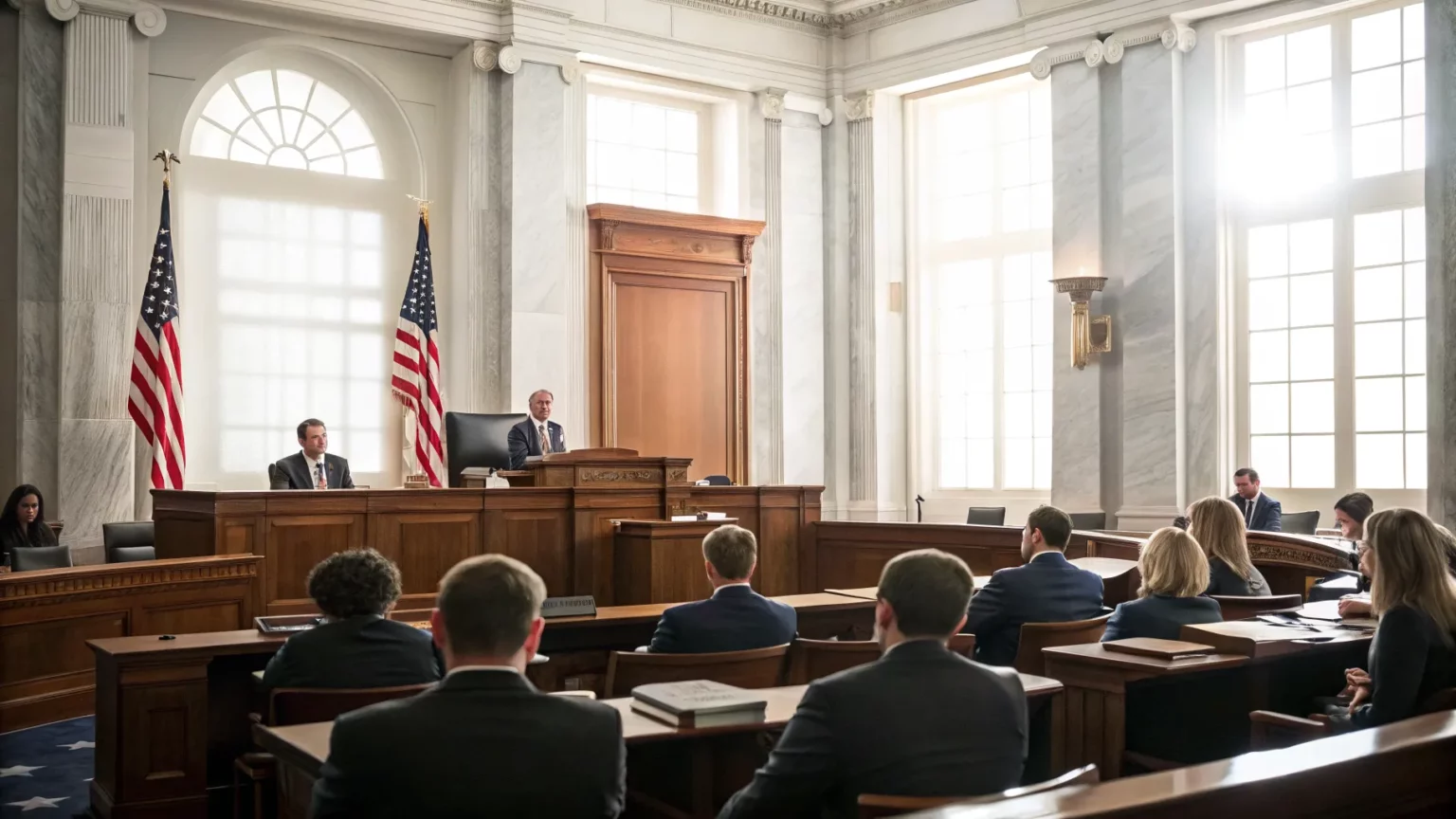
Senate Democrats are moving to force a series of votes on efforts to weaken the Consumer Financial Protection Bureau, putting Republicans on the record on consumer safeguards in an election year. The push, planned for Wednesday on Capitol Hill, is designed to highlight a clash over the future of the consumer watchdog and to trigger politically sensitive choices for senators in competitive races.
The action focuses on the Trump administration’s steps to scale back the bureau’s reach. Democrats argue the moves aid lenders and debt collectors at the expense of households. Republicans counter that the agency overreached, restricted credit, and operated with limited accountability.
What Is at Stake
The Consumer Financial Protection Bureau, created in 2010 after the financial crisis, was tasked with policing mortgages, credit cards, payday loans, and debt collection. Under its first director, Richard Cordray, the agency reported returning more than $12 billion to consumers through enforcement actions and settlements.
During the Trump years, leadership changes shifted the bureau’s agenda. Acting Director Mick Mulvaney, and later Director Kathy Kraninger, emphasized fewer enforcement cases and rescinded or softened several rules. Industry groups praised the change. Consumer advocates said it left borrowers more exposed to abusive practices.
A Senate floor fight over these moves would highlight differences on issues that affect daily life, including overdraft fees, mortgage servicing, and payday lending standards.
The Tactics and the Timing
Democratic leaders intend to bring measures to the floor that would require clear up-or-down votes, rather than letting disputes languish in committee. Such maneuvers can force vulnerable incumbents to take positions that are later featured in campaign ads.
“Senate Democrats plan to force several votes on the Trump administration’s dismantling of the Consumer Financial Protection Bureau, a maneuver aimed at making vulnerable Republicans take politically difficult votes in an election year.”
While procedural paths may vary, these votes often take the shape of efforts to restore specific rules or to block recent policy changes. They can also include motions to direct oversight, demand reports, or accelerate consideration of related bills.
Competing Arguments
Supporters of the consumer bureau say strong rules and steady enforcement deter fraud and level the playing field for honest lenders. They point to actions against deceptive credit card add-on products, illegal foreclosures, and discriminatory auto lending.


Critics say the bureau concentrated power in a single director, set aggressive penalties, and imposed rules that raised costs for borrowers. They argue that smaller banks and credit unions faced higher compliance burdens, leading to fewer options for customers with thin credit histories.
- Democrats’ case: Restore protections on payday lending, arbitration, and debt collection; maintain funding independence to shield enforcement from political pressure.
- Republicans’ case: Increase congressional oversight; trim or repeal rules viewed as limiting credit access; rely more on state and existing federal laws.
What the Votes Could Mean
Even symbolic votes can shape policy. If a measure passes the Senate, it pressures the House to act or at least hold hearings. If it fails but shows bipartisan support, it can spur narrower compromises, such as targeted relief from fees or clearer disclosures.
The political effect may be immediate. Close races often hinge on kitchen-table themes, and few topics are as direct as fees, loans, and credit reporting errors. Democrats will argue Republicans sided with lenders. Republicans will frame Democrats as backing heavy-handed rules that reduce choice.
Trends to Watch
Consumer complaints have remained high in recent years, especially on credit reporting and debt collection. Banks have trimmed some overdraft fees, citing market pressure and regulatory attention. Meanwhile, fintech lenders have expanded, raising fresh questions about oversight and fair lending in online platforms.
If the Senate showdown elevates these issues, expect renewed debate on:
- How to police buy-now-pay-later products and payday loan lookalikes.
- Whether to cap overdraft fees or require clearer opt-ins.
- How credit bureaus fix errors and handle medical debt.
The coming votes will test where senators stand on consumer protection and regulatory restraint. For policy, the outcome could nudge the bureau’s direction. For politics, it offers a clear contrast on who benefits when rules are tightened or relaxed. Voters will now get a sharper view of how each side plans to handle fees, loans, and accountability in the months ahead.