




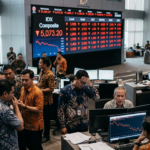


Stocks recording the largest premarket moves drew attention before the opening bell, as investors assessed early shifts in prices and trading activity.
The available update did not identify individual companies, price changes, or reasons for the moves. That limits firm conclusions about which sectors or events were shaping the session.
Early Trading Offers a Market Preview
Premarket trading takes place before regular U.S. market hours. It allows investors to react to corporate news, economic reports, analyst decisions, and events in overseas markets.
Large moves during this period can offer an early view of market sentiment. However, they do not always continue after regular trading begins.
Premarket activity often has fewer participants and lower trading volume. Those conditions can produce wider gaps between buying and selling prices. A relatively small order may therefore cause an outsized price swing.
“These are the stocks posting the largest moves premarket.”
The statement signals a focus on the session’s biggest early gainers and decliners. Yet investors would need company-level details to determine whether those changes reflect lasting news or short-term trading.
What Can Drive Large Moves
Corporate earnings are a common cause of sharp premarket changes. Revenue, profit, or forecasts that differ from expectations can quickly alter a company’s valuation.
Other possible drivers include merger announcements, regulatory decisions, product updates, leadership changes, and analyst rating actions. Economic data can also move groups of stocks together.



- Earnings results and updated financial forecasts
- Acquisition offers or partnership announcements
- Government investigations and regulatory rulings
- Economic reports, interest-rate expectations, and commodity prices
Without named stocks or supporting figures, none of these factors can be tied to the reported activity. The absence of that information makes caution especially important.
Why Premarket Prices Need Context
A large percentage move may appear important but still involve limited trading. Investors often compare the number of shares traded with a stock’s typical volume.
They also examine whether the move follows verified company news. Price action without a clear catalyst may reverse as more buyers and sellers enter during the regular session.
Broader market conditions matter as well. A company-specific decline carries a different meaning from a selloff affecting an entire industry. Index futures, bond yields, currencies, and oil prices can help explain that distinction.
Regular Trading Will Provide the Next Test
The opening bell usually brings greater liquidity and more reliable price discovery. Investors can then see whether early gains attract continued demand or whether declines deepen under heavier selling.
The main details to watch are the identities of the moving stocks, their percentage changes, trading volume, and any confirmed catalysts. Those facts are needed before assessing business or market impact.
For now, the early activity serves as a signal rather than a conclusion. Regular-session trading and company disclosures will show whether the largest premarket moves reflect durable shifts or brief volatility.