




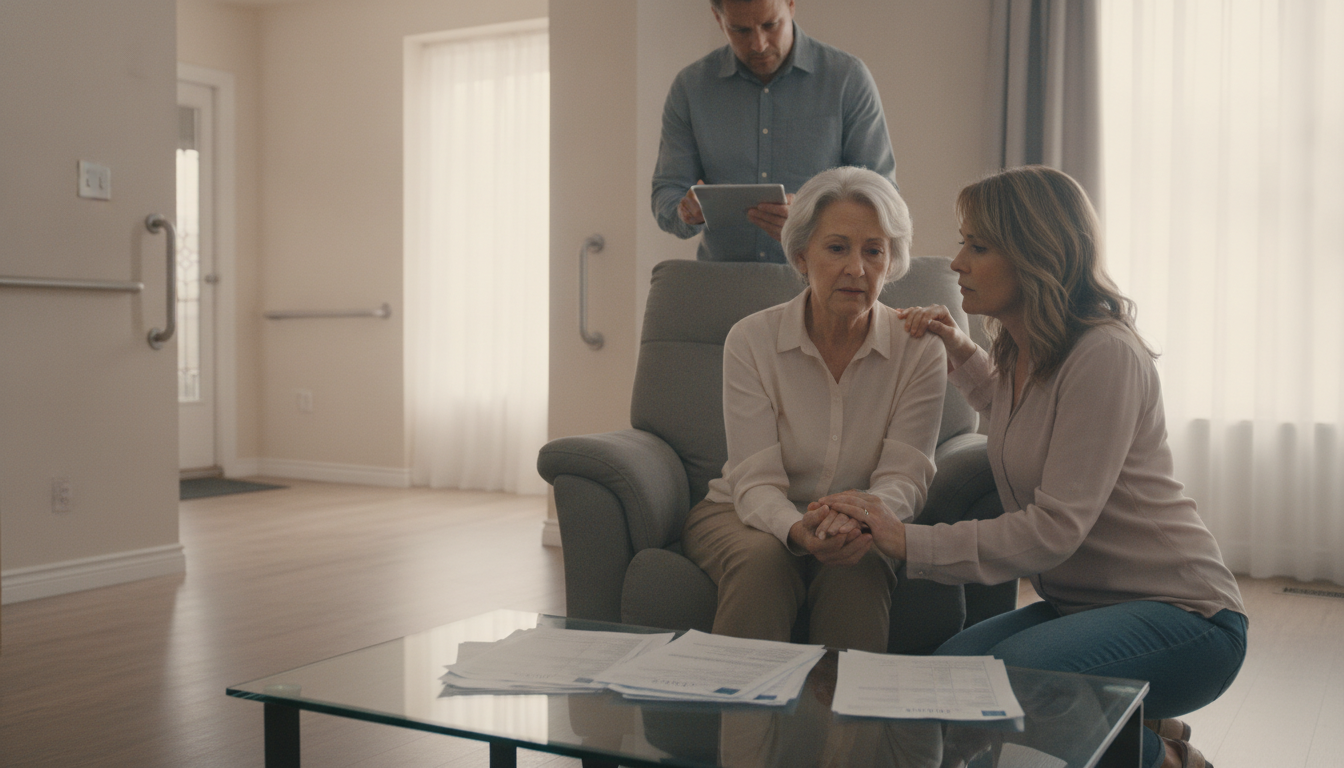
One family’s struggle with the high price of dementia care reveals the growing financial pressure facing millions of Americans. In recent years, Alison George’s family has poured funds into care for her mother, who has Alzheimer’s disease. The bills include facility fees and home modifications, and they reflect broader gaps in how the United States pays for long-term support.
The family shared that long-term living facilities approached a staggering total, and they also invested in changes to make home care possible. Their story highlights a common reality for caregivers who must balance safety, quality, and affordability as the disease progresses.
A Personal Bill That Keeps Growing
Alison George’s mom has Alzheimer’s and her long-term living facilities have cost almost $400,000. They also spent $45,000 to convert a guest house.
Those figures capture just two parts of a larger bill. Families often pay for transportation, medications, adult day programs, in-home aides, and unpaid hours of care. Housing changes, like widening doorways or adding ramps, can add tens of thousands of dollars. For the Georges, a $45,000 renovation shows how decisions made to keep a parent close carry significant costs.
Care needs usually increase over time. Early on, supervision and help with daily tasks may be enough. Later, advanced dementia can require secure memory care units or round-the-clock support at home. That escalation drives much of the expense.
Why Dementia Care Is So Expensive
Alzheimer’s requires intensive, long-duration care. Medicare typically covers hospital and physician services, but it does not pay for most long-term custodial care. Many families pay out of pocket until they qualify for Medicaid, which has strict financial and eligibility rules that vary by state.
Industry data shows the challenge. Assisted living often costs tens of thousands of dollars per year, and memory care is higher due to staffing and security. Nursing homes can exceed $100,000 annually for a private room in many markets. Home care can look cheaper at first, but 24-hour coverage quickly adds up.
According to Alzheimer’s Association reports, millions of Americans are living with Alzheimer’s or other dementias, and national costs run into the hundreds of billions each year. The burden includes direct medical spending, long-term care, and unpaid caregiving hours that are not captured in monthly invoices but carry real economic impact.
Caregivers Navigate Tough Choices
Families face a series of trade-offs. Proximity to work or adult children can limit facility choices. Staffing ratios, specialized programming, and safety features matter, but they raise prices. Home care preserves routine and dignity, yet requires remodeling, coordination, and constant vigilance.



Experts say many households underestimate the pace of cost growth. A facility that fits the budget one year may raise rates the next, or a resident may need a higher level of service. Even with long-term care insurance, premiums, benefit caps, and waiting periods can leave gaps.
For caregivers, the emotional toll runs alongside the financial one. Decisions often come under time pressure after a medical setback. Families then move quickly, sometimes accepting higher prices to secure a safe placement or support at home.
Policy Debates and Possible Relief
Policymakers have explored options to ease these pressures. Proposals include tax credits for family caregivers, expanded access to home and community-based services, and stronger oversight of facility pricing. Some states have bolstered Medicaid home-care slots to shorten waitlists. Others have piloted programs to support dementia training for home health aides and first responders.
Consumer advocates urge clearer cost disclosures and standardized reporting on staffing and outcomes. They argue that better transparency could help families compare options and avoid surprise bills. Providers counter that labor shortages and rising wages drive much of the increase, and that quality improvements require sustained funding.
- Review eligibility for Medicaid long-term services and supports.
- Ask facilities for itemized pricing and annual increase policies.
- Consult a certified elder law attorney for asset and care planning.
- Explore respite grants, adult day programs, and caregiver support groups.
What Comes Next
The Georges’ experience puts hard numbers on a national problem. Almost $400,000 in facility costs, plus $45,000 for a home conversion, shows how a single diagnosis can reshape a family’s finances. As the population ages, more households will face similar choices.
While federal and state reforms remain under discussion, the need for practical guidance is immediate. Families benefit from early planning, clear budgets, and regular reassessment of care needs. Employers can help by offering caregiver leave and flexible schedules. Health systems can improve care navigation so families are not left to assemble complex services on their own.
For now, careful planning and persistent advocacy are the best tools. The scale of the bills suggests that public and private solutions will be needed. Readers should watch for state initiatives on home-based care, insurance market changes, and transparency rules that could make pricing more predictable for those coping with Alzheimer’s.