




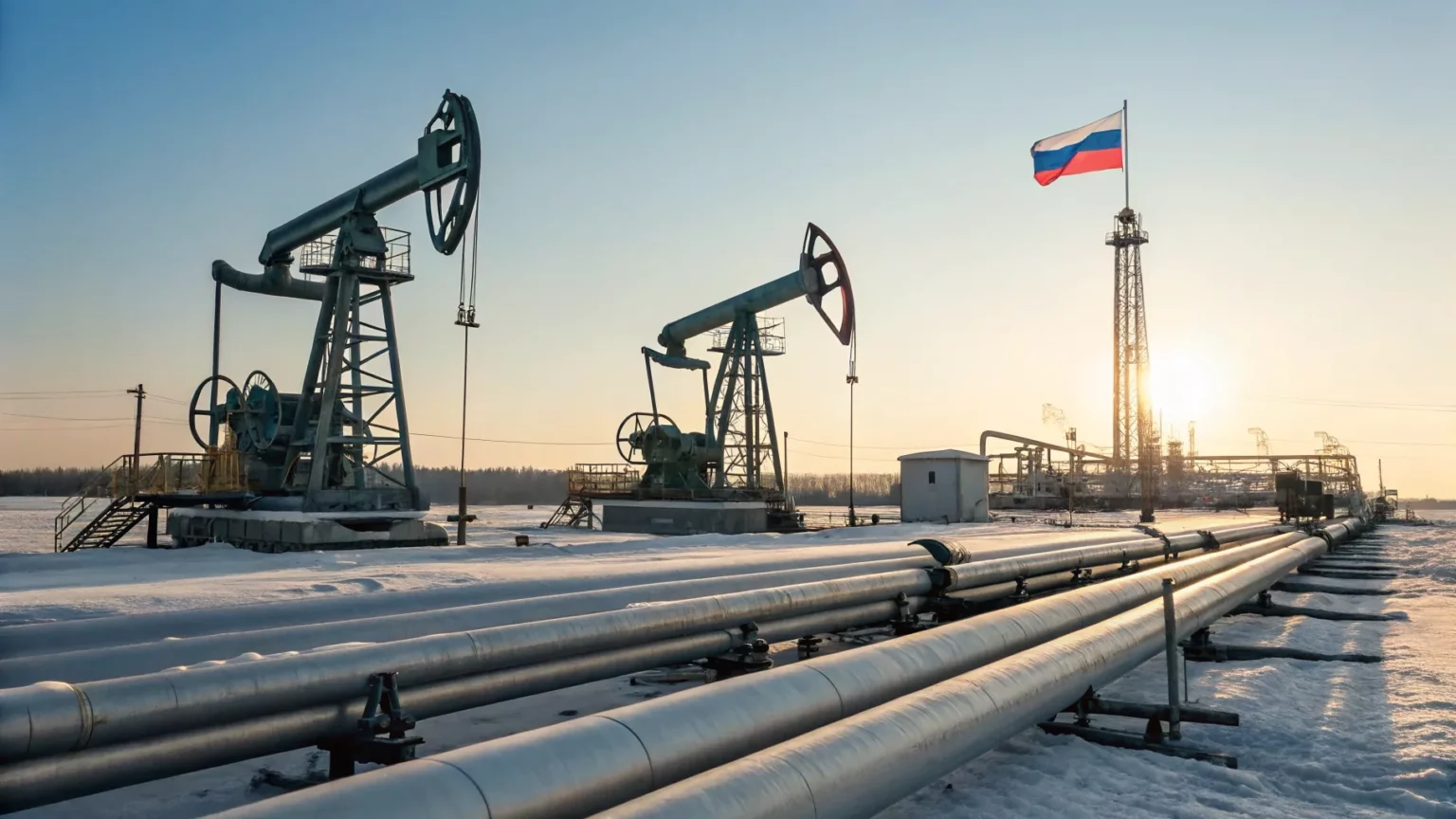
Russia moved to calm oil markets after the United Arab Emirates’ surprise exit from OPEC, saying it will remain in the broader producers’ alliance as a war in Iran disrupts supplies. The signal came as traders watched for fresh guidance on output policy and as importers prepared for more price swings.
Why Moscow’s Signal Matters
Russia has been a central player in OPEC+, the group that links OPEC members with non-OPEC producers. Since 2016, coordinated cuts from this bloc have helped shape global prices. The UAE’s departure jolted that structure and raised questions about future coordination.
Russian officials stressed continuity. In a brief statement, they said the country is not leaving the alliance, easing fears of a wider breakup and a supply free‑for‑all. The message provided a floor under expectations for managed output.
“Russia said it has no plans of leaving its alliance with OPEC after the United Arab Emirates’ shock decision to quit the cartel raised questions about its future amid a historic supply disruption caused by the Iran war.”
Strains On A Fragile Order
The reported supply disruption tied to the conflict in Iran has tightened flows through key routes. Tanker traffic, insurance costs, and shipping times have all come under pressure. Refiners in Asia and Europe are seeking alternate barrels.
OPEC has weathered fractures before. Members have left and rejoined, while the OPEC+ format gave the group new weight by bringing in Russia and others. The current shock is different because it pairs geopolitical risk with an internal split.
Energy researcher Lina Markov said the stability of the wider alliance will hinge on a few players. “Russia, Saudi Arabia, and a handful of partners still set the tone,” she said. “If they coordinate, price volatility can be contained.”
Market Impact And Price Path
Brent futures rose on the news of the UAE exit, then eased after Moscow’s signal. Traders balanced the chance of looser supply policy against the risk of deeper war‑related outages. Many desks now expect wider price ranges in the short term.
Analysts outline two main scenarios:



- If OPEC+ unity holds, managed cuts could offset war losses and anchor prices.
- If cohesion weakens, members may hike output to defend market share, adding swings.
“Russia’s commitment buys time,” said Priya Deshpande, a commodities strategist. “But the market still needs clarity on quotas and enforcement.” She noted that hedge funds have lifted long positions, betting on tighter balances.
Producers, Consumers, And The Policy Response
For producers, higher prices support budgets but risk demand erosion if spikes persist. For importers, the focus is on inflation and fuel costs. Governments may consider stock releases, shipping escorts, or temporary tax moves if prices jump.
European refiners are adjusting crude slates, while some Asian buyers turn to West African and U.S. supplies. Freight rates have climbed. “Every reroute adds days and dollars,” a shipping executive said, citing tighter vessel availability.
U.S. shale operators could respond, but investment discipline remains firm. New barrels take time, and supply chains are tight. That limits how fast non‑OPEC output can fill gaps.
Inside The Alliance: What To Watch Next
The next OPEC+ meeting will be a key test. Markets want signals on baseline production, quota adherence, and any shift in voluntary cuts. Russia’s stance suggests it will push for continuity.
Three indicators will guide the outlook:
- Clear guidance on joint output targets for the next quarter.
- Evidence of compliance from major producers.
- War‑related disruptions to exports and transit routes.
Saudi Arabia’s role is central. If Riyadh maintains extra voluntary cuts, it could steady prices even if other members adjust. Coordination with Moscow remains essential to that plan.
Longer-Term Questions
The UAE’s departure raises broader questions about how producer groups adapt to national goals and shifting trade flows. Some members seek market share. Others prefer price support for fiscal needs.
Energy transitions also hang over long‑term planning. Demand growth may slow later this decade, but near‑term oil use is still rising in aviation, petrochemicals, and freight. That mix complicates investment decisions.
Russia’s vow to stay keeps the OPEC+ framework intact for now and tempers fears of a rapid breakdown. Yet the supply hit from the war, higher freight costs, and policy uncertainty still point to choppy months ahead. Watch for quota clarity at the next meeting, signals from Saudi Arabia, and any new shipping bottlenecks. Those cues will set the range for prices and shape the choices of producers and consumers alike.